
In the world of modern manufacturing, extending the lifespan of tools and integrating sustainable practices are critical for both operational efficiency and environmental responsibility. As fabrication shops and metalworking facilities face increasing pressure to reduce waste, conserve resources, and minimize their environmental footprint, the focus on tool life optimization sustainability has become more important than ever. This approach not only reduces costs but also supports long-term ecological goals, making it a central concern for forward-thinking manufacturers.
By adopting strategies that maximize tool longevity and incorporate eco-friendly processes, fabrication businesses can achieve a balance between productivity and sustainability. These methods range from selecting advanced tool materials and coatings to refining machining parameters and embracing green technologies. For those interested in a deeper dive into eco-conscious machining, exploring topics like sustainable CNC machining practices can provide valuable insights into practical steps for greener operations.
Understanding the Importance of Sustainable Tool Management
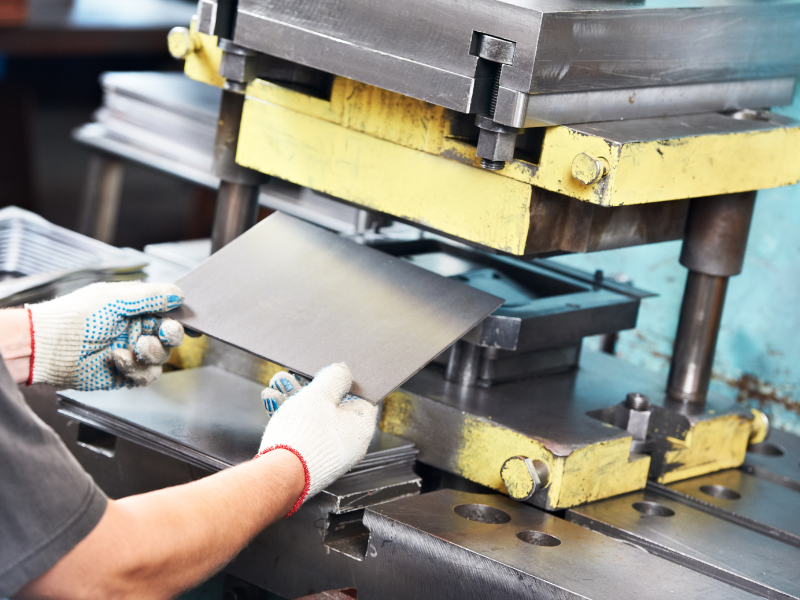
The concept of tool life optimization sustainability revolves around extending the usable period of cutting tools, dies, and other fabrication equipment while minimizing environmental impact. Traditionally, tools are replaced once they reach a certain wear threshold, often resulting in significant material waste and increased costs. However, with a sustainability mindset, manufacturers can implement practices that prolong tool life, reduce consumption, and lower the carbon footprint of their operations.
Sustainable tool management is not just about cost savings. It also addresses the broader challenges of resource scarcity and environmental regulations. By reducing the frequency of tool replacement and optimizing usage, companies can decrease the demand for raw materials, limit hazardous waste, and contribute to a circular economy within the fabrication sector.
Key Strategies for Tool Longevity and Eco-Friendly Fabrication
There are several proven strategies that fabrication shops can adopt to enhance both tool performance and environmental stewardship. Here are some of the most effective approaches:
- Material Selection and Coatings: Using high-quality tool steels, carbide, or ceramics, along with advanced coatings, can significantly increase resistance to wear and heat. This extends tool life and reduces the frequency of replacements.
- Optimized Machining Parameters: Adjusting cutting speeds, feeds, and depths based on material and tool type helps minimize unnecessary wear. Modern CNC systems allow for precise control, ensuring tools are used within their optimal performance range.
- Coolant and Lubrication Management: Proper use of coolants and lubricants can dramatically reduce friction and heat, further extending tool life. For those interested in greener alternatives, consider learning about biodegradable machining fluids that offer effective lubrication with less environmental impact.
- Regular Tool Maintenance: Implementing scheduled inspections, cleaning, and reconditioning can prevent premature failure and maximize the usable lifespan of tools.
- Tool Regrinding and Recycling: Instead of discarding worn tools, regrinding can restore their cutting edges. Recycling programs for spent tools also help recover valuable materials and reduce landfill waste.
Integrating Sustainability into Fabrication Workflows
Achieving sustainable outcomes in fabrication requires a holistic approach that goes beyond individual tool management. It involves rethinking the entire workflow, from material sourcing to waste disposal. Here are some ways to embed sustainability into daily operations:
- Process Optimization: Lean manufacturing principles, such as minimizing unnecessary steps and reducing idle times, can lower energy consumption and material waste.
- Adoption of Digital Technologies: Digital twins, real-time monitoring, and predictive analytics enable better planning and early detection of tool wear, reducing unplanned downtime and resource use.
- Eco-Friendly Machining Techniques: Approaches like dry machining and minimum quantity lubrication (MQL) eliminate or drastically reduce the need for traditional coolants. For more on this, see the article on dry machining environmental benefits.
- Waste Reduction and Recycling: Segregating metal chips, recycling scrap, and reusing packaging materials all contribute to a more sustainable operation.
Environmental and Economic Benefits of Prolonged Tool Use
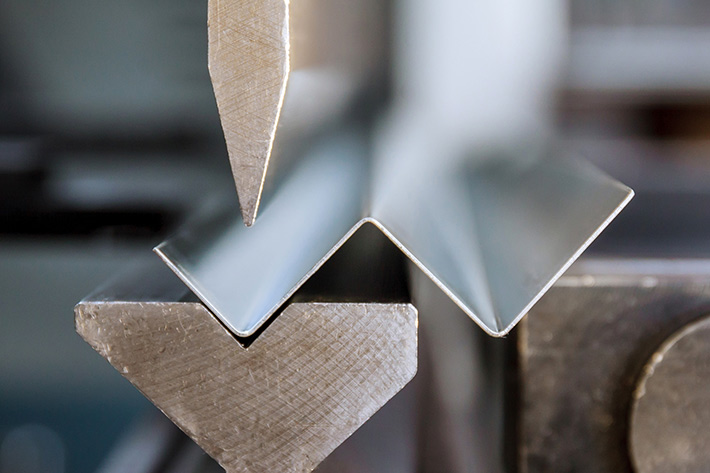
Extending the service life of fabrication tools delivers a range of advantages. Environmentally, it means fewer tools are manufactured, transported, and disposed of, which reduces greenhouse gas emissions and conserves resources. Economically, companies benefit from lower tooling costs, less downtime, and improved productivity.
Additionally, sustainable practices can enhance a company’s reputation and open doors to new markets that prioritize green manufacturing. Many customers and partners now require evidence of responsible sourcing and waste management, making sustainability a competitive differentiator.
For those seeking to stay ahead of industry trends, exploring eco-friendly practices in metal fabrication can provide a broader perspective on how the sector is evolving toward greener standards.
Challenges and Solutions in Sustainable Tool Optimization
While the benefits are clear, implementing sustainable tool management is not without its challenges. Initial investments in advanced tooling, monitoring systems, or green lubricants can be significant. There may also be a learning curve as staff adapt to new processes and technologies.
However, these hurdles can be overcome by:
- Training and Education: Regular training ensures that operators understand the importance of tool care and sustainability, leading to better outcomes.
- Partnerships with Suppliers: Working closely with tool and material suppliers can help identify the most durable and eco-friendly options available.
- Continuous Improvement: Regularly reviewing processes and incorporating feedback allows for incremental improvements in both tool life and sustainability.
Emerging Trends in Sustainable Fabrication
The future of fabrication is increasingly digital and eco-conscious. Innovations such as additive manufacturing, also known as 3D metal printing, are changing the way components are produced and how tools are used. For a closer look at the environmental implications of these technologies, the article on 3D metal printing environmental impact offers a detailed analysis.
Other trends include the use of AI-driven predictive maintenance, which can anticipate tool wear before it becomes a problem, and the adoption of closed-loop coolant systems. These systems, as described in the discussion on coolant recycling CNC machining, help reduce fluid waste and improve shop sustainability.
Frequently Asked Questions
What are the main benefits of optimizing tool life for sustainability?
The primary advantages include reduced tooling costs, less material waste, lower environmental impact, and improved operational efficiency. Sustainable practices also help companies meet regulatory requirements and appeal to environmentally conscious customers.
How can fabrication shops start implementing sustainable tool management?
Shops can begin by assessing current tool usage patterns, investing in higher-quality tools and coatings, adopting eco-friendly lubricants, and training staff on best practices. Gradually integrating digital monitoring and recycling programs can further enhance sustainability.
Are there industry standards for sustainable tool usage?
While there are no universal standards, many industry groups and certification bodies offer guidelines for sustainable manufacturing. Companies can also look to ISO 14001 for environmental management systems and follow best practices promoted by leading tool manufacturers.