

As industries seek more sustainable ways to manufacture metal parts, 3D metal printing environmental impact has become a key topic of discussion. Additive manufacturing, especially with metals, is transforming how products are designed and produced. But what are the real ecological effects of this technology? This article explores the environmental footprint of metal additive manufacturing, comparing it to traditional methods and highlighting both its advantages and challenges.
For those interested in broader sustainable practices, you may also want to read about sustainable CNC machining practices and how they complement additive manufacturing in modern metal shops.
Understanding Additive Manufacturing’s Ecological Footprint
Metal additive manufacturing, often called 3D metal printing, constructs objects layer by layer using metal powders or wires. This process is fundamentally different from subtractive methods, which carve parts out of larger blocks, often generating significant waste. The environmental implications of this shift are complex and depend on several factors, including energy consumption, material efficiency, and emissions.
The environmental impact of 3D metal printing is shaped by the type of metal used, the specific printing technology (such as powder bed fusion or directed energy deposition), and the energy source powering the printers. While the process can reduce material waste, it may require substantial energy input, especially for high-melting-point metals like titanium or stainless steel.
Material Efficiency and Waste Reduction
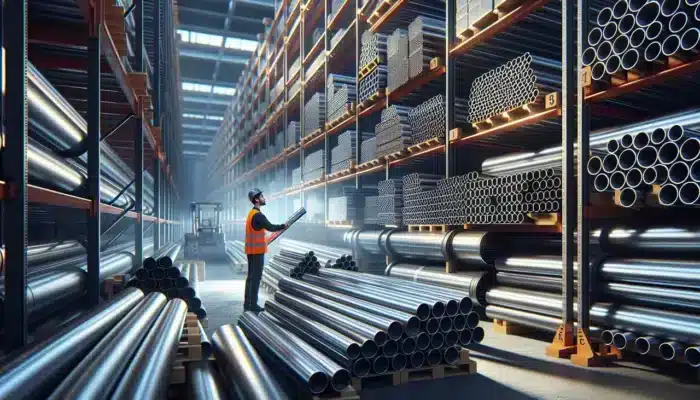
One of the main environmental benefits of metal 3D printing is its ability to minimize material waste. Traditional machining can result in up to 90% of the original metal block being cut away and discarded. In contrast, additive manufacturing uses only the material needed to build the part, often achieving material utilization rates above 90%.
- Reduced scrap: Less waste means fewer resources are extracted, transported, and processed.
- Recyclable powders: Many metal powders can be reused in subsequent builds, further lowering waste.
- Optimized designs: Lightweight structures and internal lattices, possible only with 3D printing, reduce overall material usage.
However, not all unused powder can be recycled indefinitely. Over time, oxidation and contamination may render some powder unusable, which must then be disposed of responsibly.
Energy Consumption and Emissions in Metal Additive Manufacturing
The energy requirements of 3D metal printing are often higher per part than those of traditional manufacturing, especially for energy-intensive processes like laser-based powder bed fusion. The main contributors to energy use include:
- High-powered lasers or electron beams for melting metal powders
- Preheating and maintaining build chamber temperatures
- Post-processing steps such as heat treatment or support removal
Despite these demands, the overall carbon footprint can be lower for complex or customized parts, since fewer steps and less transportation are required. The environmental outcome depends heavily on the source of electricity. Facilities powered by renewables will have a much smaller impact than those relying on fossil fuels.
For a deeper dive into sustainable practices in the metal industry, consider exploring sustainable fabrication standards and how they relate to additive manufacturing processes.
Comparing 3D Metal Printing to Conventional Metalworking
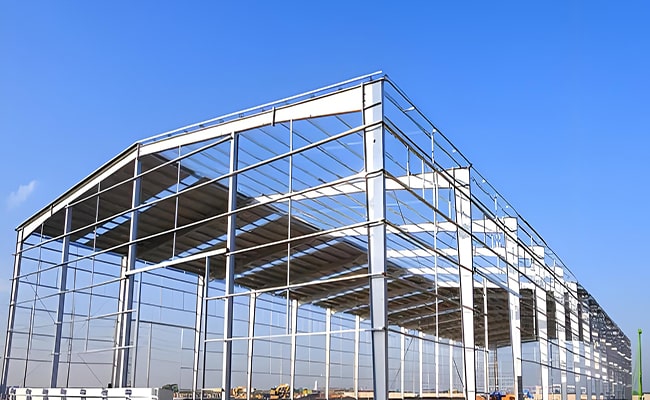
When evaluating the environmental impact of metal additive manufacturing versus conventional methods, several factors come into play:
| Aspect | Additive Manufacturing | Traditional Methods |
|---|---|---|
| Material Waste | Minimal, high efficiency | High, significant scrap |
| Energy Use | High per part, but can reduce overall footprint for complex items | Lower per part, but more waste and steps |
| Emissions | Depends on energy source, fewer transport emissions | Often higher due to multiple processing and transport steps |
| Design Flexibility | High, enables lightweight and optimized parts | Limited by tooling and subtractive processes |
In summary, while additive techniques can be energy-intensive, they often result in lower total emissions and resource use for certain applications, especially where complex geometries or low production volumes are involved.
Lifecycle Considerations and End-of-Life Impacts
Evaluating the full lifecycle impact of 3D metal printing is essential. This includes not just the manufacturing phase, but also raw material extraction, part use, and end-of-life disposal or recycling.
- Powder production: Creating fine metal powders is energy-intensive, but advances in atomization and recycling are improving efficiency.
- Product lifespan: 3D printed metal parts can be engineered for longer life or easier repair, reducing the need for replacements.
- Recyclability: Many metals used in additive manufacturing are highly recyclable, supporting circular economy goals.
Companies are increasingly adopting eco labeling metal products to help customers identify parts produced with lower environmental footprints.
Challenges and Opportunities for Greener Metal Printing
While the benefits are clear, there are still challenges to making metal additive manufacturing truly sustainable:
- Reducing the energy intensity of powder production and printing processes
- Improving powder reuse rates and minimizing contamination
- Developing standards for measuring and reporting environmental impacts
- Expanding the use of renewable energy in manufacturing facilities
On the positive side, ongoing research is focused on greener feedstocks, more efficient printers, and closed-loop recycling systems. The industry is also adopting best practices from other sectors, such as using biodegradable machining fluids and implementing robust environmental compliance metal shops protocols.
For a broader perspective on eco-friendly manufacturing, see this overview of sustainability and eco-friendly practices in metalworking.
Frequently Asked Questions
How does metal 3D printing compare to traditional manufacturing in terms of waste?
Metal additive manufacturing typically generates far less waste than subtractive methods. By building parts layer by layer, only the necessary material is used, and much of the unused powder can be recycled for future prints. Traditional machining, on the other hand, often results in significant scrap that must be managed or recycled.
Is the energy use of 3D metal printing offset by other environmental benefits?
While the energy consumption of metal additive manufacturing can be high, especially for certain metals and processes, the reduction in material waste, transportation, and the ability to produce optimized designs can offset some of these impacts. The overall environmental benefit depends on the part complexity, production volume, and the energy source used.
Can 3D printed metal parts be recycled at the end of their life?
Yes, most metals used in additive manufacturing, such as stainless steel, titanium, and aluminum, are highly recyclable. End-of-life parts can be melted down and reused, supporting circular economy principles and reducing the need for virgin material extraction.