
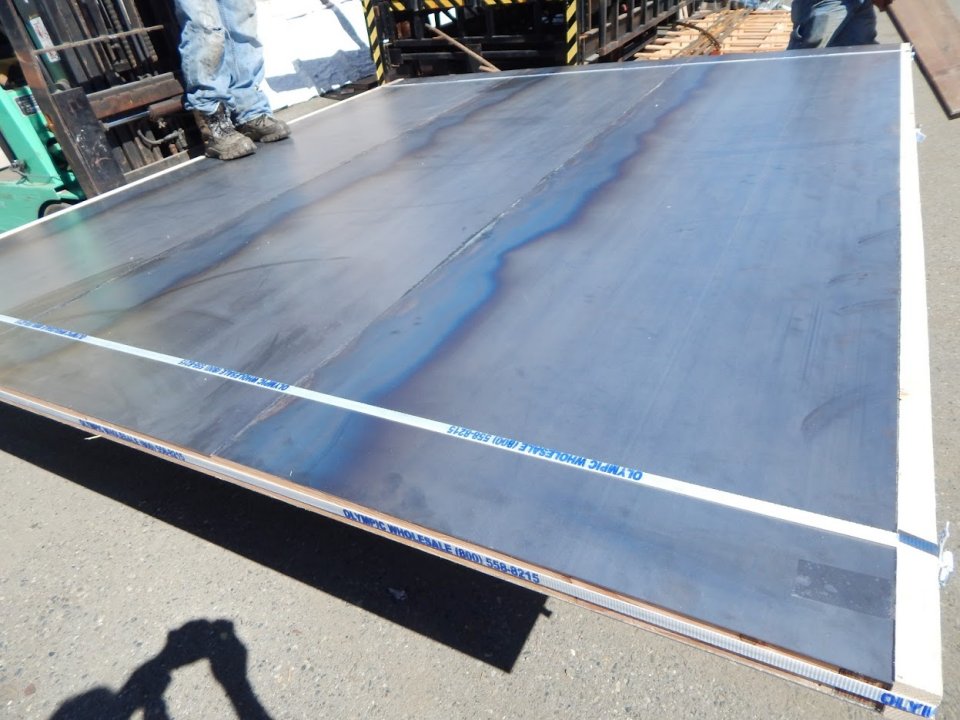
As environmental concerns and resource efficiency take center stage in manufacturing, sustainable fabrication standards have become a critical benchmark for modern industry. These guidelines are designed to minimize environmental impact, reduce waste, and promote responsible use of materials and energy throughout the production process. Companies adopting these principles not only meet regulatory requirements but also gain a competitive edge by appealing to eco-conscious clients and stakeholders.
Embracing eco-friendly practices in fabrication is more than a trend—it’s a necessity for long-term business viability. From material sourcing to energy consumption and waste management, the shift toward greener operations is reshaping how products are designed, manufactured, and delivered. For those looking to deepen their commitment to sustainability, exploring eco friendly anodizing methods can be a practical first step toward cleaner metal finishing processes.
Key Principles of Eco-Conscious Manufacturing
At the heart of environmentally responsible fabrication are several core principles. These include reducing resource consumption, maximizing material efficiency, minimizing emissions, and ensuring worker safety. By following these guidelines, manufacturers can lower their carbon footprint and contribute to a healthier planet.
- Resource Efficiency: Using less raw material and energy to produce the same or better quality products.
- Waste Minimization: Implementing processes that reduce scrap and encourage recycling or reuse of byproducts.
- Clean Energy Use: Transitioning to renewable energy sources or improving energy efficiency in operations.
- Safe Chemical Management: Opting for non-toxic substances and proper disposal methods to protect workers and the environment.
- Lifecycle Thinking: Considering the environmental impact of products from design through end-of-life.
These principles are not only theoretical—they are increasingly being codified into industry standards and certifications, guiding companies toward more responsible practices.
Adopting Sustainable Fabrication Standards in Practice
Implementing sustainable fabrication standards requires a holistic approach. Companies often start by evaluating their current processes and identifying areas for improvement. This might involve upgrading to energy-efficient machinery, switching to recycled or certified materials, or adopting water-saving technologies.
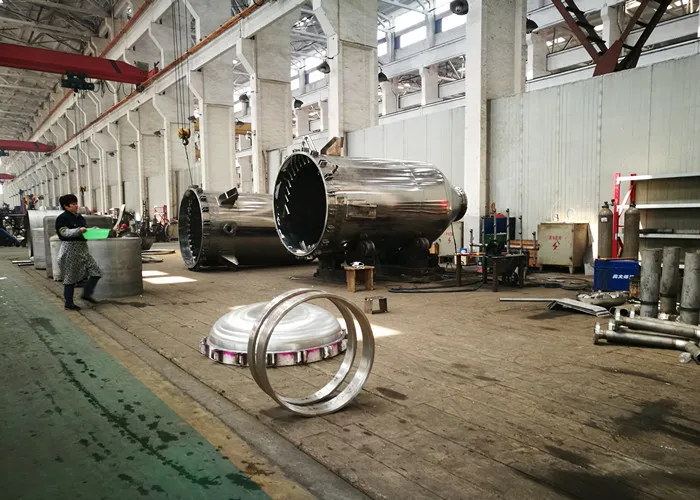
For example, upgrading filtration systems or adopting closed-loop water cycles can significantly reduce water use and pollution. Manufacturers interested in further reducing their environmental footprint can explore reducing water use in fabrication for actionable strategies and case studies.
Material Selection and Responsible Sourcing
The choice of materials plays a pivotal role in sustainable production. Opting for recycled metals, certified woods, or bio-based plastics can cut down on resource extraction and associated emissions. Responsible sourcing also involves vetting suppliers for ethical labor practices and environmental stewardship.
Certifications such as ISO 14001 or Cradle to Cradle provide frameworks for evaluating and improving environmental performance throughout the supply chain.
Energy Management and Emission Reduction
Energy consumption is a major factor in the environmental impact of fabrication. Companies can lower their energy use by investing in efficient equipment, optimizing production schedules, and incorporating renewable sources like solar or wind. Monitoring and reporting emissions is also essential for compliance and continuous improvement.
Many businesses are now setting science-based targets for greenhouse gas reduction, aligning their operations with global climate goals.
Innovative Approaches to Green Manufacturing
As technology advances, new methods are emerging to help manufacturers meet and exceed sustainable fabrication standards. Digital tools such as simulation software can optimize designs for minimal waste, while additive manufacturing (3D printing) enables precise material use and customization.
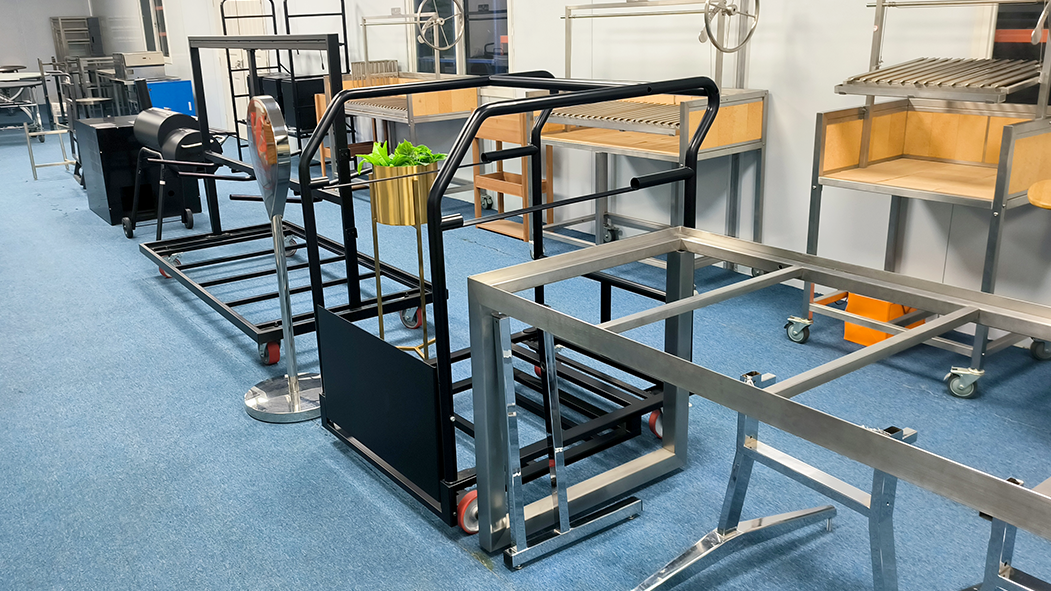
Surface finishing is another area ripe for innovation. Adopting water based metal coatings or exploring green metal finishing processes can drastically reduce the use of hazardous chemicals and VOC emissions.
Additionally, integrating sustainable shop floor practices ensures that daily operations—from lighting to logistics—support broader environmental goals.
Certifications and Industry Standards
Achieving recognized certifications is a powerful way to demonstrate commitment to sustainability. Standards such as ISO 14001 (environmental management), LEED (green building), and ENERGY STAR (energy efficiency) provide clear benchmarks for performance and improvement.
These certifications not only help companies comply with regulations but also enhance their reputation and marketability. They signal to customers and partners that the business prioritizes environmental responsibility.
Benefits of Embracing Responsible Fabrication
The advantages of adopting sustainable fabrication standards go beyond compliance. Companies that prioritize eco-friendly practices often see reduced operational costs, improved product quality, and increased customer loyalty. Sustainable operations can also attract top talent who value environmental stewardship.
Furthermore, as governments and consumers demand greater transparency, being proactive about sustainability can help businesses stay ahead of evolving regulations and market expectations. For more insights into practical eco-friendly initiatives, consider reviewing this overview of sustainability and eco-friendly practices in manufacturing.
Challenges and Future Directions
While the benefits are clear, implementing these standards can present challenges. Initial investments in new equipment or training may be significant, and aligning supply chains with sustainability goals can take time. However, the long-term returns—in cost savings, risk reduction, and brand value—often outweigh these hurdles.
Looking ahead, the evolution of sustainable fabrication standards will likely be driven by advances in technology, stricter regulations, and growing consumer demand for responsibly made products. Collaboration across industries and transparent reporting will be key to accelerating progress.
Frequently Asked Questions
What are the main components of sustainable fabrication standards?
These standards typically include guidelines for resource efficiency, waste reduction, use of renewable energy, safe chemical management, and lifecycle assessment. They may also cover responsible sourcing and supply chain transparency.
How can manufacturers start implementing eco-friendly fabrication practices?
Companies can begin by assessing their current operations, setting measurable sustainability goals, and investing in energy-efficient equipment or cleaner production methods. Engaging employees and suppliers in the process is also crucial for lasting change.
Are there certifications that recognize sustainable fabrication efforts?
Yes, certifications like ISO 14001, LEED, and ENERGY STAR provide frameworks and recognition for companies that meet specific environmental and efficiency criteria. Achieving these certifications can enhance credibility and market opportunities.