
The metal manufacturing sector is under increasing pressure to reduce its environmental footprint while maintaining efficiency and profitability. Adopting sustainable shop floor practices is no longer just a trend—it’s a necessity for future-proofing operations, meeting regulatory requirements, and appealing to eco-conscious clients. From energy use to waste management, every aspect of the production floor can be optimized for sustainability. This article explores practical strategies, real-world examples, and actionable steps that metal manufacturers can take to make their operations greener and more efficient.
For a comprehensive look at environmentally responsible production methods, see our guide on eco friendly manufacturing metals.
Why Sustainable Manufacturing Matters in Metalworking
The environmental impact of metal production is significant, with high energy consumption, emissions, and waste generation. By integrating sustainable shop floor practices, manufacturers can reduce resource use, minimize pollution, and improve workplace safety. These efforts not only benefit the planet but also drive cost savings, enhance brand reputation, and ensure compliance with tightening regulations.
According to a recent study on sustainable manufacturing in the metal industry, companies that prioritize eco-friendly operations often see improved operational efficiency and long-term profitability.
Energy Efficiency: Reducing Consumption on the Shop Floor
Energy use is a major contributor to both costs and carbon emissions in metal manufacturing. Implementing energy-saving measures is one of the most effective ways to make operations more sustainable.
- Upgrade to LED Lighting: Replacing traditional lighting with LEDs can cut energy use by up to 70%.
- Optimize Equipment Scheduling: Running high-energy machines during off-peak hours reduces grid strain and energy costs.
- Regular Maintenance: Well-maintained equipment operates more efficiently and lasts longer, reducing both energy use and waste.
- Monitor and Analyze Usage: Installing smart meters and energy management systems helps identify inefficiencies and track progress.
Waste Reduction and Material Efficiency
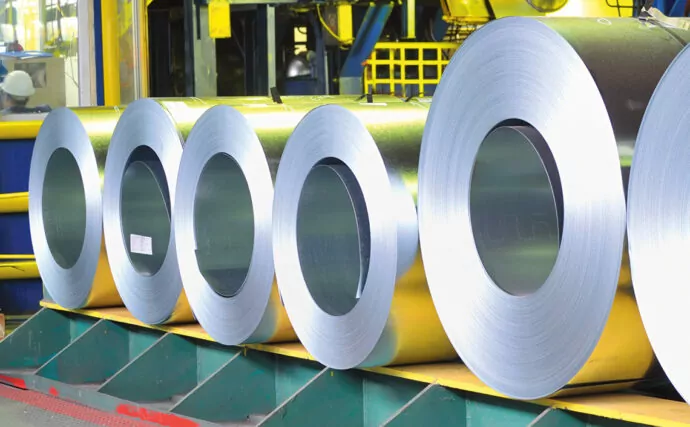
Minimizing scrap and making the most of raw materials are essential elements of sustainable shop floor practices. Efficient material use not only conserves resources but also reduces disposal costs and environmental impact.
- Lean Manufacturing: Adopting lean principles helps eliminate unnecessary steps, reduce overproduction, and optimize workflows.
- Material Tracking: Digital inventory systems can track material usage and highlight areas for improvement.
- Recycling and Reuse: Implementing closed-loop systems for scrap metal ensures valuable materials are recovered and reused. For more on this topic, see our article on metal recycling and environmental compliance.
- Supplier Collaboration: Working with suppliers to source recycled or certified sustainable metals supports a circular economy.
Water Conservation and Pollution Prevention
Metalworking processes often require significant water use for cooling, cleaning, and finishing. Sustainable approaches focus on reducing consumption and preventing contamination.
- Closed-Loop Water Systems: Recycling water within the facility minimizes both usage and wastewater discharge.
- Filtration and Treatment: Installing advanced filtration systems removes contaminants, making water safe for reuse or compliant discharge.
- Spill Prevention: Regular inspections and employee training help prevent leaks and accidental releases of hazardous substances.
Smart Technology and Automation for Sustainability
Digital transformation is reshaping how manufacturers approach sustainability. Automation, data analytics, and IoT devices enable more precise control over production processes, energy use, and resource management.
- Real-Time Monitoring: Sensors and connected devices provide instant feedback on machine performance, energy use, and environmental conditions.
- Predictive Maintenance: AI-driven systems can anticipate equipment failures, reducing downtime and unnecessary replacements.
- Automated Material Handling: Robotics can optimize the movement and storage of materials, reducing waste and improving safety.
Employee Engagement and Training for Green Operations
The success of any sustainability initiative depends on the people who implement it. Engaged, well-trained employees are essential for identifying opportunities, maintaining standards, and driving continuous improvement.
- Regular Training: Ongoing education ensures staff understand best practices for energy use, waste handling, and safety.
- Incentive Programs: Recognizing and rewarding sustainable behaviors encourages participation and innovation.
- Open Communication: Creating channels for feedback and suggestions helps surface new ideas and address challenges quickly.
Choosing Sustainable Materials and Suppliers
Sourcing plays a critical role in the overall sustainability of a manufacturing operation. By selecting recycled, certified, or low-impact materials, manufacturers can reduce their environmental footprint from the outset.
- Recycled Metals: Using recycled inputs reduces demand for virgin resources and lowers emissions. Learn more about how small businesses can use recycled metals to support sustainability.
- Supplier Audits: Regularly evaluating suppliers for environmental practices ensures alignment with your sustainability goals. For guidance, see our resource on how to audit recycled metal suppliers.
- Certifications: Look for suppliers with recognized certifications (such as ISO 14001) to verify their commitment to responsible practices.
Continuous Improvement and Measuring Progress
Sustainability is an ongoing journey. Setting clear goals, tracking key performance indicators (KPIs), and regularly reviewing progress are essential for long-term success.
- Set Measurable Targets: Define specific objectives for energy use, waste reduction, water conservation, and emissions.
- Monitor and Report: Use dashboards and regular reports to keep stakeholders informed and engaged.
- Benchmarking: Compare your performance with industry peers to identify areas for improvement.
- Iterate and Adapt: Use feedback and data to refine processes and adopt new technologies as they become available.
FAQ: Sustainable Approaches in Metal Manufacturing
What are the biggest challenges to implementing eco-friendly shop floor practices?
The main obstacles include upfront investment costs, resistance to change, and the complexity of integrating new technologies into existing workflows. However, many companies find that long-term savings and improved compliance outweigh these initial hurdles.
How can small manufacturers start adopting greener production methods?
Start with simple steps like upgrading to energy-efficient lighting, improving waste segregation, and providing basic sustainability training for staff. Gradually introduce more advanced measures such as automation and digital monitoring as resources allow.
Are there industry standards for sustainable metal manufacturing?
Yes, standards such as ISO 14001 for environmental management and certifications for recycled content help guide and verify responsible practices. Collaborating with certified suppliers and regularly auditing your own processes can help ensure compliance.
Where can I learn more about sustainable metalworking?
For further reading, explore our detailed guide on eco friendly metal fabrication and stay updated with industry research and best practices.