
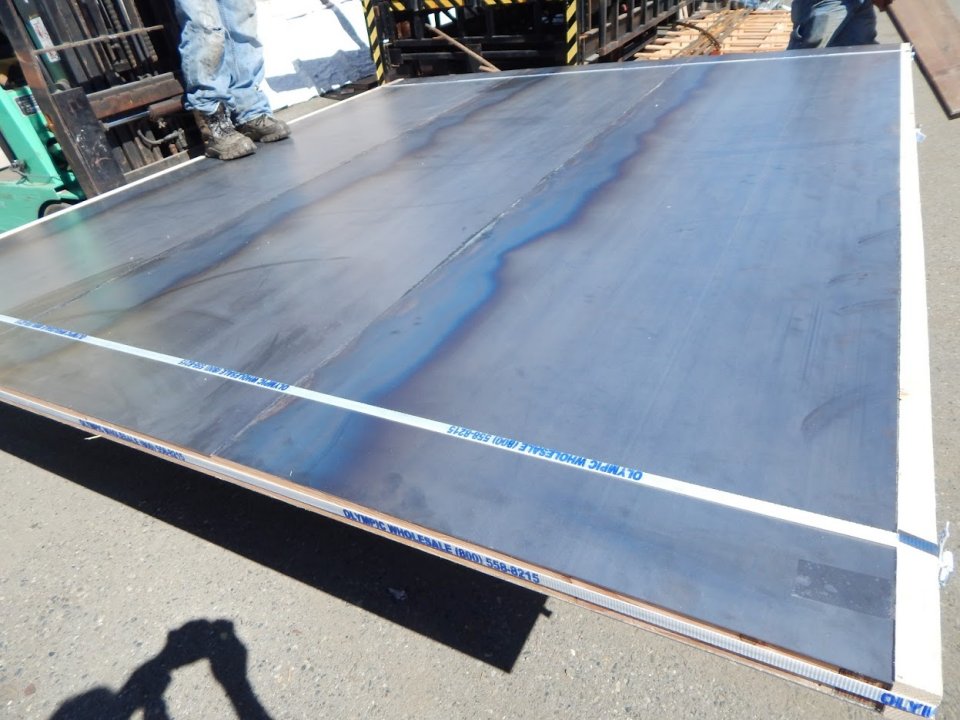
As industries move toward more environmentally responsible practices, water based metal coatings have become a preferred solution for sustainable finishing. These coatings offer a practical alternative to traditional solvent-based products, helping manufacturers reduce their environmental impact while maintaining high performance and durability. Whether you’re in construction, automotive, or metal fabrication, understanding the benefits and application of these eco-friendly coatings is essential for modern operations.
Companies aiming to improve their sustainability credentials are increasingly turning to waterborne technologies. These coatings not only minimize volatile organic compound (VOC) emissions but also contribute to safer workplaces and easier compliance with environmental regulations. For a broader look at how manufacturers are adopting greener methods, see our guide on eco friendly manufacturing metals.
Understanding Waterborne Metal Finishes
Waterborne coatings are formulated with water as the primary solvent, replacing much of the petroleum-based solvents found in conventional products. This shift dramatically reduces the emission of hazardous air pollutants and VOCs, making these coatings a smart choice for businesses focused on sustainability.
The composition of these finishes typically includes resins, pigments, additives, and water. When applied to metal surfaces, the water evaporates, leaving behind a protective and decorative film. The result is a finish that rivals the durability and appearance of solvent-based alternatives, but with a much lower environmental footprint.
Key Benefits of Water Based Metal Coatings
Adopting waterborne solutions brings a range of advantages for manufacturers and end-users alike. Here are some of the most significant benefits:
- Reduced VOC Emissions: Lower levels of harmful emissions mean improved air quality and easier regulatory compliance.
- Worker Safety: With fewer hazardous chemicals, workplaces become safer for employees handling and applying coatings.
- Easy Cleanup: Tools and equipment can be cleaned with water, reducing the need for harsh solvents and lowering disposal costs.
- Excellent Performance: Modern waterborne coatings offer strong adhesion, corrosion resistance, and a high-quality finish.
- Regulatory Compliance: These products help companies meet increasingly strict environmental standards in many regions.
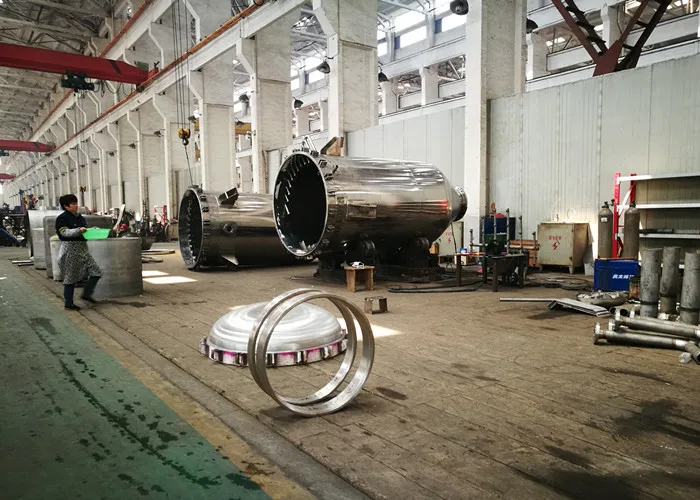
Applications Across Industries
The versatility of water based metal coatings makes them suitable for a wide range of applications. From large-scale industrial projects to small metal parts, these coatings are used in:
- Architectural steel and aluminum structures
- Automotive components and bodies
- Appliances and consumer goods
- Machinery and equipment
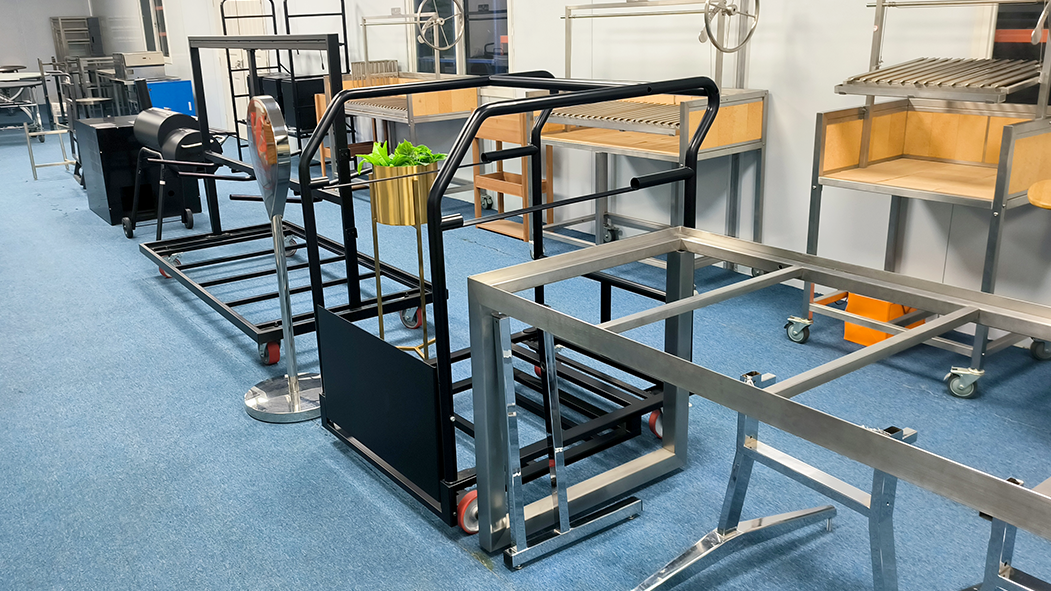
- Metal furniture and fixtures
Their adaptability allows manufacturers to achieve both protective and decorative finishes, meeting the demands of different sectors without compromising on sustainability.
How Waterborne Coatings Support Sustainable Manufacturing
Integrating waterborne finishes into production lines is a practical step toward greener manufacturing. By reducing reliance on hazardous chemicals, companies can lower their environmental impact and demonstrate a commitment to responsible practices. This approach aligns with broader trends in eco friendly metal fabrication, where minimizing waste and emissions is a top priority.
Additionally, using water-based products can streamline compliance with local and international regulations, which are becoming more stringent regarding emissions and workplace safety. Manufacturers who adopt these coatings often find it easier to maintain certifications and meet customer expectations for sustainability.
Comparing Waterborne and Solvent-Based Metal Finishes
While solvent-based coatings have long been the industry standard, waterborne alternatives are quickly closing the performance gap. Here’s a comparison of the two approaches:
| Feature | Waterborne Coatings | Solvent-Based Coatings |
|---|---|---|
| VOC Emissions | Low | High |
| Cleanup | Water | Solvents |
| Worker Safety | Improved | More Hazards |
| Corrosion Resistance | Comparable | High |
| Drying Time | Faster (in many cases) | Varies |
| Environmental Impact | Lower | Higher |
The shift toward waterborne options is driven by both regulatory pressures and the desire for cleaner, safer production environments. As technology advances, the performance of these coatings continues to improve, making them a viable replacement for many traditional products.
Best Practices for Applying Water Based Metal Coatings
To achieve optimal results with waterborne finishes, manufacturers should follow these best practices:
- Surface Preparation: Clean and degrease metal surfaces thoroughly to ensure strong adhesion and a smooth finish.
- Application Method: Use spray, brush, or dip methods as recommended by the coating manufacturer. Adjust techniques based on the specific product and part geometry.
- Environmental Controls: Maintain appropriate temperature and humidity levels during application and drying to avoid defects.
- Layering: Apply multiple thin coats rather than one thick layer for better coverage and durability.
- Curing: Allow adequate drying and curing time between coats to maximize performance and longevity.
Following these guidelines helps ensure that the finish not only looks good but also provides long-term protection against corrosion and wear.
Integrating Waterborne Solutions Into Your Sustainability Strategy
For organizations committed to sustainable operations, adopting water-based finishes is a tangible step forward. These coatings can be part of a broader strategy that includes metal recycling and environmental compliance, energy-efficient processes, and responsible sourcing.
Many companies also find that switching to waterborne products can enhance their brand reputation and appeal to customers who value environmental responsibility. For further insights into sustainable practices, explore sustainable and eco-friendly practices in manufacturing.
Frequently Asked Questions
Are waterborne metal coatings as durable as solvent-based options?
Yes, advances in formulation have made waterborne finishes highly durable and resistant to corrosion, abrasion, and chemicals. When applied correctly, they offer performance comparable to traditional coatings.
Can water-based coatings be used on all types of metals?
These finishes are suitable for a wide variety of metals, including steel, aluminum, and galvanized surfaces. However, it’s important to select a product designed for your specific application and follow the manufacturer’s recommendations.
What are the main environmental benefits of using waterborne coatings?
The primary advantages include significantly reduced VOC emissions, lower hazardous waste generation, and improved worker safety. These factors contribute to a smaller environmental footprint and easier regulatory compliance.
How do I transition from solvent-based to waterborne coatings?
The transition involves evaluating your current processes, training staff, and possibly upgrading equipment for optimal application. Consulting with coating suppliers and conducting small-scale trials can help ensure a smooth changeover.