
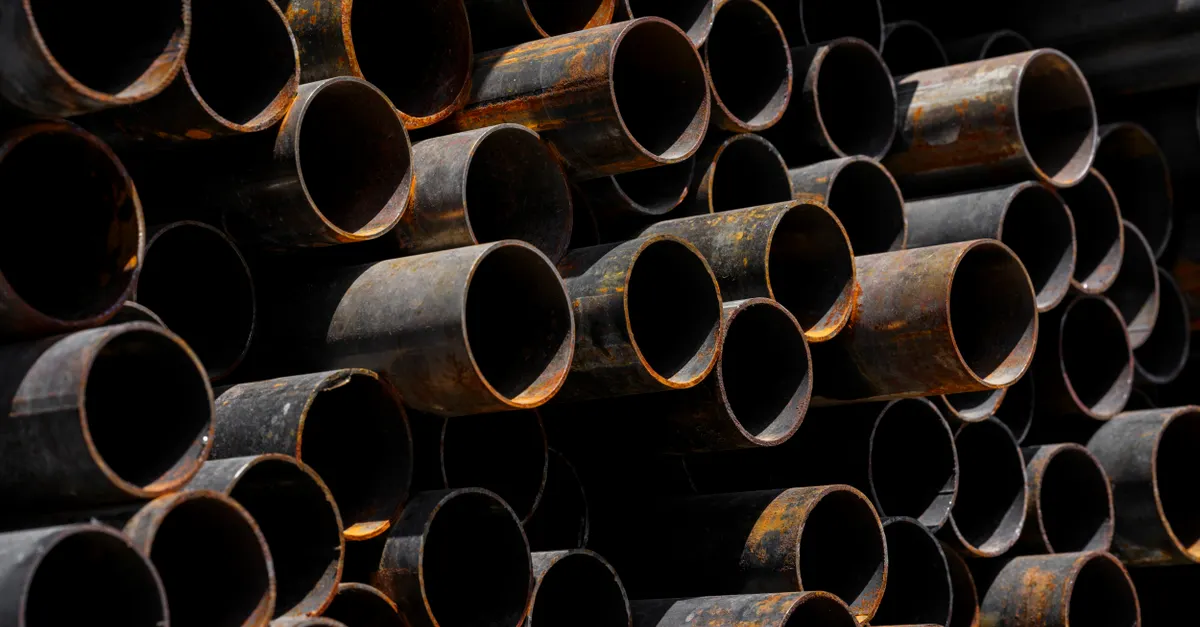
Aluminum vs Steel: Which Material is Best for Sustainable Design?
In the quest for sustainable design, choosing the right material is crucial. Two of the most debated materials in this context are aluminum and steel. Both have their unique advantages and challenges when it comes to sustainability. This comparison matters because the choice between aluminum and steel can significantly impact the environmental footprint of a project. Whether you’re an architect, a product designer, or a sustainability enthusiast, understanding the nuances of aluminum vs steel for sustainable design can guide you in making informed decisions. For a deeper dive into how these materials stack up in architecture, you might find this article on steel vs aluminum in architecture insightful.

Quick Comparison
| Feature | Aluminum | Steel |
|---|---|---|
| Environmental Impact | Higher carbon footprint | Lower carbon footprint |
| Recyclability | 100% recyclable | Infinitely recyclable |
| Energy Efficiency | Energy-intensive production | Less energy-intensive with EAF |
| Best Use Case | Lightweight applications | Structural applications |
Aluminum: Lightweight and Recyclable
Aluminum is renowned for its lightweight properties, making it an ideal choice for applications where weight is a critical factor. This metal is not only 100% recyclable but also retains its quality through repeated recycling processes. According to industry sources, nearly 75% of all aluminum ever produced is still in use today, highlighting its role in a circular economy.
Pros
- Lightweight, reducing transportation emissions
- 100% recyclable without quality degradation
- Corrosion-resistant, enhancing durability
Cons
- Higher energy consumption during production
- Greater carbon footprint compared to steel
Steel: Strong and Sustainable
Steel is celebrated for its strength and durability, making it a staple in structural applications. It is also highly sustainable, with a lower carbon footprint compared to aluminum. Steel production using the Electric Arc Furnace method significantly reduces CO₂ emissions, making it a more environmentally friendly option.
Pros
- High strength-to-weight ratio
- Lower carbon footprint with EAF production
- Infinitely recyclable, maintaining structural integrity
Cons
- Heavier than aluminum, increasing transportation costs
- Higher initial cost for certain applications
Head-to-Head Comparison
When comparing aluminum and steel in terms of performance, steel generally offers superior strength, making it ideal for structural applications. However, aluminum shines in scenarios where weight reduction is crucial, such as in aerospace and automotive industries. In terms of build quality, both materials are durable, but steel’s robustness gives it an edge in heavy-duty applications.
Regarding pricing, steel is often seen as a cost-effective option due to its lower production costs when using the EAF method. Meanwhile, aluminum’s higher production energy requirements can lead to a premium pricing structure. For durability, both materials offer long lifespans, but aluminum’s corrosion resistance can be advantageous in harsh environments.
Ultimately, the choice between aluminum and steel depends on the specific needs of the project. For those prioritizing lightweight design, aluminum is the go-to, while steel remains the preferred choice for structural integrity.

Which One Should You Choose?
Choosing between aluminum and steel for sustainable design depends on your project’s specific requirements. If your focus is on reducing weight and maximizing recyclability, aluminum is an excellent choice. It is particularly beneficial in industries like automotive and aerospace, where weight savings translate to fuel efficiency and reduced emissions.
On the other hand, if your project demands strength and durability, steel is the superior option. Its lower carbon footprint, especially when produced using renewable energy sources, makes it a sustainable choice for structural applications. For more insights on sustainable metal design, consider exploring articles on sustainable product design metals.
When considering the energy consumption of aluminum versus steel production, significant differences emerge. Aluminum production is notably energy-intensive, primarily due to the electrolysis process used in extracting aluminum from bauxite ore. This process requires large amounts of electricity, which can contribute to higher carbon emissions if the energy source is not renewable. In contrast, steel production can be more energy-efficient, especially when utilizing the Electric Arc Furnace (EAF) method. The EAF process, which uses recycled steel scrap, significantly reduces energy consumption and carbon emissions, making it a more sustainable option compared to traditional blast furnace methods.
The integration of renewable energy sources in the production of both materials can further enhance their sustainability profiles. For aluminum, shifting to renewable energy for the electrolysis process can drastically cut down its carbon footprint, aligning with the industry’s ongoing efforts to reduce greenhouse gas emissions. The U.S. aluminum industry, for instance, has already achieved a 59% reduction in greenhouse gas emissions since 2005, according to the Aluminum Association. Similarly, the steel industry is increasingly adopting renewable energy in EAF operations, which not only lowers emissions but also supports the transition to a circular economy by maximizing the use of recycled materials.
In the context of a circular economy, both aluminum and steel play pivotal roles due to their recyclability. Steel’s ability to be recycled indefinitely without loss of quality ensures that it remains a cornerstone of sustainable design. Aluminum, with its lightweight properties and 100% recyclability, complements this by offering solutions where weight reduction is paramount. Together, these materials contribute significantly to sustainable design practices, each offering distinct advantages that can be leveraged depending on the specific requirements of a project.
Frequently Asked Questions
What are the environmental impacts of using aluminum versus steel?
Steel generally has a lower environmental impact compared to aluminum, particularly in terms of carbon emissions, energy consumption, and overall sustainability metrics.
How do aluminum and steel compare in terms of recyclability?
Both materials are highly recyclable. Aluminum can be recycled indefinitely without losing quality, while steel also maintains its structural integrity through multiple recycling processes.
What are the energy efficiencies associated with aluminum and steel production?
Steel production, especially via the Electric Arc Furnace method, is more energy-efficient compared to aluminum, which requires significant energy for extraction and processing.
Which material has a lower carbon footprint, aluminum or steel?
Steel typically has a lower carbon footprint than aluminum, particularly when produced using modern, energy-efficient methods.
How does the use of renewable energy affect the sustainability of aluminum and steel?
The use of renewable energy can significantly enhance the sustainability of both aluminum and steel production by reducing greenhouse gas emissions and lowering the overall carbon footprint.