
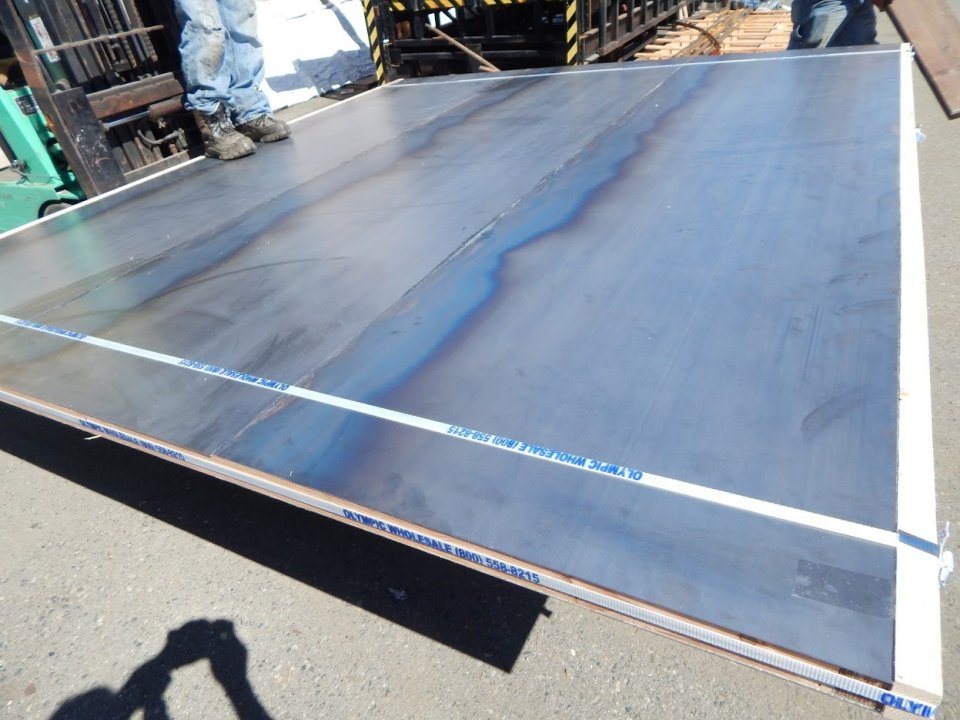
The sustainable fabrication life cycle is a comprehensive approach to designing, producing, and managing metal products with a focus on minimizing environmental impact and maximizing resource efficiency. As industries face increasing pressure to reduce carbon emissions and conserve resources, understanding the stages and strategies involved in eco-friendly metalworking has become essential. This article explores the full journey of metal products, from raw material selection to end-of-life recycling, highlighting best practices and innovations that support sustainability in manufacturing.
Manufacturers and engineers are rethinking traditional processes to incorporate greener alternatives, reduce waste, and improve energy efficiency. For those involved in metal fabrication, adopting sustainable methods is not only a matter of regulatory compliance but also a competitive advantage in today’s market. For example, integrating best practices for stamping coated steels can help prevent material loss and surface damage, contributing to a more responsible production cycle.
Key Stages in the Eco-Friendly Metalworking Process
The journey toward a more sustainable fabrication life cycle for metal products involves several critical phases. Each stage presents unique opportunities to reduce environmental impact and improve resource management.
- Raw Material Sourcing: Choosing recycled or responsibly mined metals reduces the demand for virgin resources and lowers the overall carbon footprint.
- Design for Sustainability: Engineers can optimize product designs to use less material, simplify assembly, and facilitate future recycling.
- Efficient Manufacturing: Implementing energy-efficient machinery, minimizing waste, and using non-toxic chemicals are essential for greener production.
- Surface Treatment and Finishing: Selecting eco-friendly coatings and surface treatments helps prevent pollution and protects worker health.
- Distribution and Use: Lightweight, durable designs reduce transportation emissions and extend product lifespan.
- End-of-Life Management: Planning for disassembly and recycling ensures that valuable materials are recovered and reintroduced into the supply chain.
Material Selection and Resource Efficiency
The choice of materials is foundational to any sustainable manufacturing initiative. Using recycled steel or aluminum, for example, can dramatically reduce energy consumption compared to processing raw ore. Additionally, selecting alloys that are easier to recycle or that require fewer hazardous additives supports a cleaner production cycle.
Manufacturers are also exploring advanced materials and composites that offer high strength-to-weight ratios, enabling the creation of lighter products that use fewer resources without compromising performance. These innovations not only reduce the environmental burden but can also lower costs and improve competitiveness.
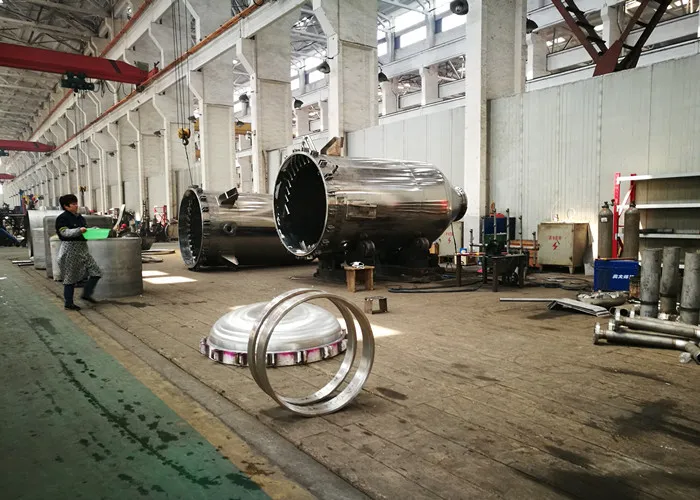
Innovations in Manufacturing for a Greener Life Cycle
Modern fabrication facilities are adopting a range of technologies and practices to enhance sustainability. These include:
- Closed-Loop Water Systems: Recycling water used in cooling and cleaning processes reduces consumption and prevents pollution.
- Energy Recovery: Capturing and reusing waste heat from furnaces and machinery can significantly cut energy use.
- Digital Monitoring: Real-time tracking of energy, material, and waste streams enables continuous improvement and rapid response to inefficiencies.
- Lean Manufacturing: Streamlining workflows and reducing unnecessary steps helps minimize waste and resource use.
For companies seeking to further optimize their operations, resources like steel stamping edge quality optimization offer technical guidance on improving process efficiency while maintaining product quality.
Reducing Waste and Emissions Throughout the Product Life Span
Waste minimization is a core principle of the sustainable fabrication life cycle. By designing products for easy disassembly and recycling, manufacturers can ensure that valuable metals are not lost to landfills. Additionally, capturing and treating emissions from welding, cutting, and coating operations helps protect both the environment and worker safety.
Implementing robust quality control measures also reduces the likelihood of defective products, which can otherwise contribute to unnecessary waste. For instance, following steel stamping secondary operation considerations can help prevent rework and material loss during complex fabrication steps.
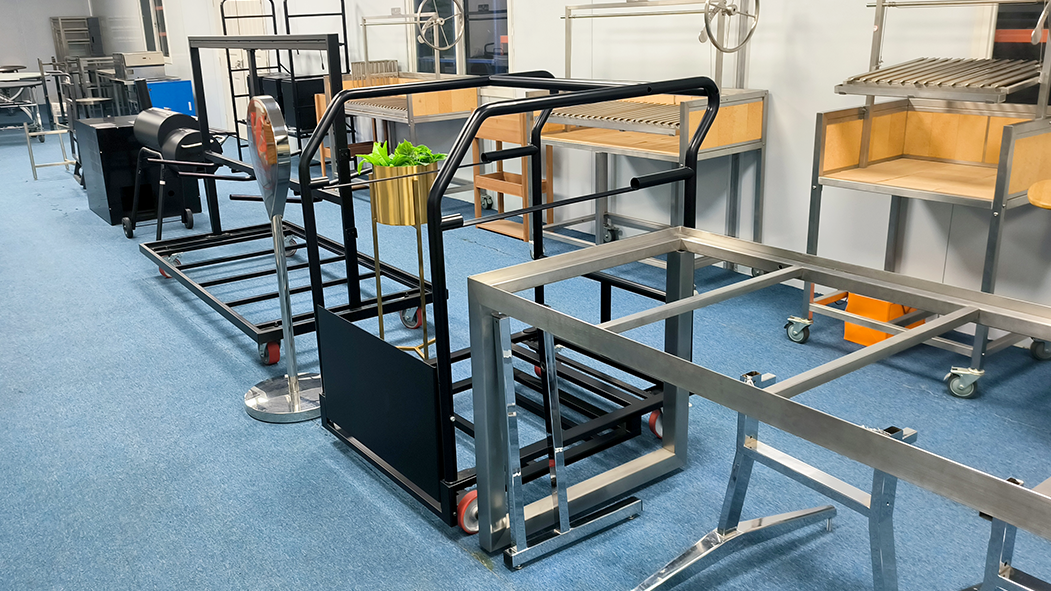
Worker Safety and Social Responsibility in Eco-Conscious Fabrication
A truly sustainable approach to metal product manufacturing goes beyond environmental considerations. Ensuring safe working conditions, fair labor practices, and community engagement are all essential components of responsible production. Training programs, such as those described in how to train operators for steel stamping safety, help foster a culture of safety and compliance.
Companies are also investing in transparent supply chains and ethical sourcing to build trust with customers and stakeholders. By prioritizing both environmental and social factors, manufacturers can create products that are not only sustainable but also socially responsible.
Closing the Loop: Recycling and Circular Economy Strategies
The final stage in the sustainable fabrication life cycle is end-of-life management. Designing products for recyclability, labeling materials for easy identification, and establishing take-back programs are all effective ways to ensure metals are recovered and reused.
Embracing circular economy principles—where materials are kept in use for as long as possible—reduces the need for new resource extraction and cuts greenhouse gas emissions. Companies can also partner with specialized recyclers to maximize recovery rates and minimize waste.
For more insights into eco-friendly manufacturing, see this overview of sustainability and eco-friendly practices in metalworking.
Challenges and Opportunities in Sustainable Metalworking
Transitioning to a greener production model is not without its challenges. Upfront investments in new equipment, staff training, and process redesign can be significant. However, the long-term benefits—reduced operating costs, improved compliance, and enhanced brand reputation—often outweigh these initial hurdles.
As regulations tighten and customer expectations evolve, companies that embrace sustainable practices are better positioned for future growth. Ongoing innovation, collaboration across the supply chain, and a commitment to continuous improvement will be key drivers of success in this evolving landscape.
FAQ: Sustainable Fabrication for Metal Products
What are the main benefits of adopting a sustainable approach in metal fabrication?
Key advantages include reduced environmental impact, lower energy and material costs, improved regulatory compliance, and enhanced reputation with customers and stakeholders. Sustainable practices also help future-proof operations against evolving market and legislative demands.
How can manufacturers reduce waste during the metal product life cycle?
Waste reduction can be achieved by optimizing product design for recyclability, implementing lean manufacturing techniques, using recycled materials, and establishing robust quality control systems. Planning for disassembly and material recovery at end-of-life is also essential.
What role does worker safety play in sustainable metalworking?
Ensuring safe and healthy working conditions is a fundamental aspect of responsible manufacturing. Training, proper equipment, and adherence to safety standards protect workers and contribute to the overall sustainability of the production process.