
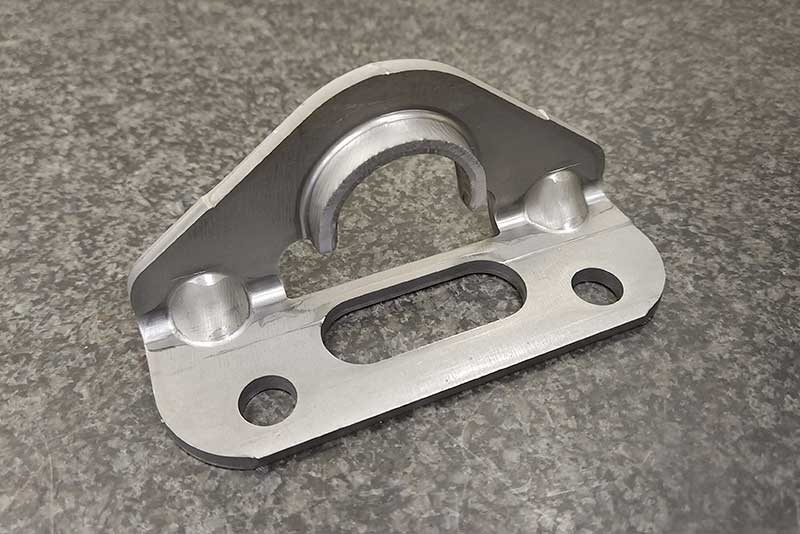
Optimizing steel stamping material handling best practices is essential for manufacturers seeking to increase productivity, reduce downtime, and maintain workplace safety. From the moment raw steel enters a facility to the final delivery of stamped components, every step in the handling process can impact quality and operational costs. By implementing proven strategies and leveraging the right equipment, organizations can streamline workflows and minimize waste.
This article explores the most effective approaches for managing materials in steel stamping environments. You’ll find actionable insights on equipment selection, workflow design, safety protocols, and process improvements. For those interested in related technical considerations, you may also want to review steel stamping material yield strength considerations to ensure your processes are fully optimized from start to finish.
Key Principles for Efficient Steel Stamping Material Handling
Efficiency in material handling is built on a foundation of careful planning and continuous improvement. The following principles form the backbone of any successful system:
- Minimize unnecessary movement: Design layouts that reduce the distance materials travel between storage, stamping presses, and secondary operations.
- Standardize processes: Create clear, repeatable procedures for loading, unloading, and transporting steel stock.
- Leverage automation: Use conveyors, robotic arms, and automated guided vehicles (AGVs) to reduce manual handling and improve consistency.
- Prioritize safety: Ensure all handling methods comply with safety standards to protect workers and equipment.
- Monitor and analyze: Regularly review handling data to identify bottlenecks and areas for improvement.
Choosing the Right Equipment for Material Movement
Selecting appropriate equipment is crucial for maintaining flow and preventing damage to steel stock. The choice depends on material type, part size, production volume, and facility layout.
- Conveyor systems: Ideal for moving coils, blanks, or finished parts between workstations. Options include belt, roller, and chain conveyors.
- Forklifts and pallet jacks: Useful for transporting heavy loads over longer distances or between storage and production areas.
- Overhead cranes and hoists: Essential for lifting large coils or dies safely and efficiently.
- Automated guided vehicles (AGVs): Offer flexible, programmable transport for repetitive routes, reducing labor costs and risk of injury.
Integrating the right mix of equipment can help maintain a steady flow of materials and reduce the risk of bottlenecks. For more on improving related processes, see our guide on how to optimize scrap chute angles in steel stamping operations.
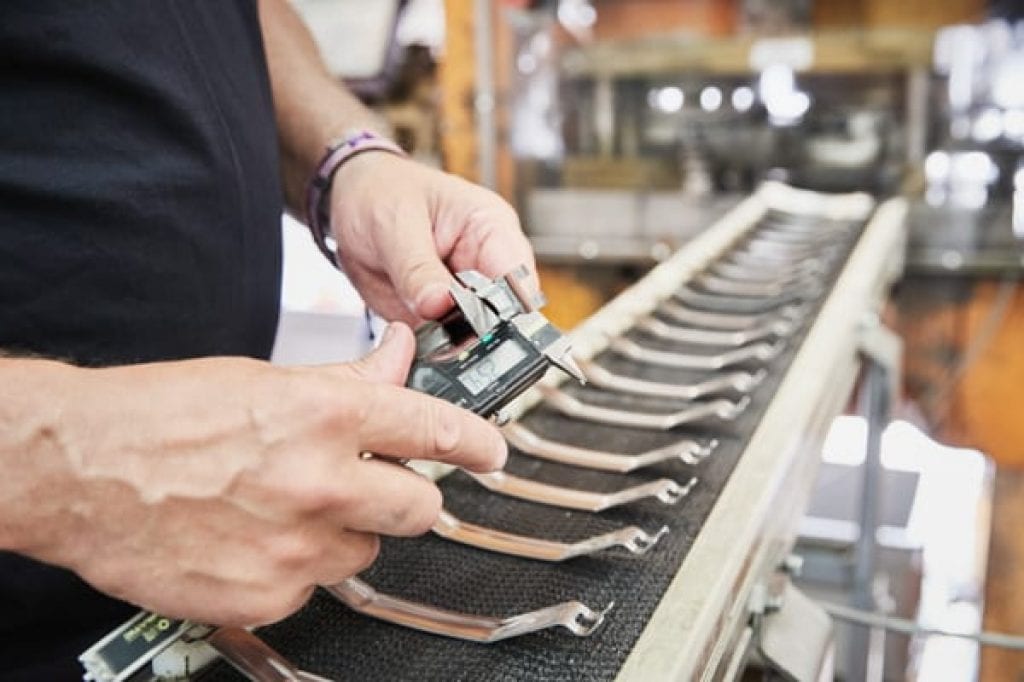
Workflow Design and Layout Optimization
A well-designed workflow reduces handling time and risk of errors. Consider these layout strategies:
- U-shaped or linear layouts: Arrange equipment so materials flow smoothly from receiving to shipping, minimizing backtracking.
- Dedicated staging areas: Use clearly marked zones for incoming raw steel, work-in-progress, and finished goods to prevent mix-ups.
- Visual management: Implement signage and floor markings to guide operators and highlight hazards.
- Flexible work cells: Design modular stations that can be reconfigured as production needs change.
Continuous improvement is key. Regularly review your facility’s layout and solicit feedback from operators to identify inefficiencies. For those working with coated steels, our article on best practices for stamping coated steels offers additional layout and handling tips.
Safety Protocols in Steel Stamping Material Handling
Protecting workers is paramount in any material handling operation. Adhering to robust safety protocols not only prevents injuries but also reduces downtime and liability.
- Personal protective equipment (PPE): Require gloves, safety glasses, and steel-toed boots for all personnel handling steel stock.
- Machine guarding: Install barriers and safety sensors on conveyors and presses to prevent accidental contact.
- Training: Provide comprehensive instruction on equipment use, emergency procedures, and safe lifting techniques.
- Routine inspections: Schedule regular checks of handling equipment to catch wear, misalignment, or malfunction early.
For a deeper dive into safety measures, consult this comprehensive guide to sheet metal forming die operations safety for actionable advice and regulatory guidelines.
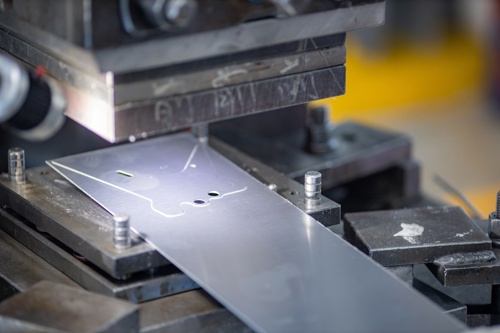
Reducing Waste and Improving Yield in Stamping Operations
Effective material handling directly impacts scrap rates and overall yield. By focusing on precision and process control, manufacturers can maximize usable output from every batch of steel.
- Accurate inventory management: Track material usage and scrap to identify trends and opportunities for improvement.
- Proper storage: Store steel in dry, organized racks to prevent corrosion and mix-ups.
- Gentle handling: Use padded or coated contact surfaces to avoid surface damage, especially for finished or coated parts.
- Real-time monitoring: Implement sensors and software to detect jams, misfeeds, or misalignments before they cause defects.
To further refine your process, explore the how to optimize part ejection in stamping guide, which covers techniques for smooth part removal and reduced scrap.
Leveraging Technology for Smarter Material Handling
Modern steel stamping facilities increasingly rely on technology to enhance efficiency and traceability. Key advancements include:
- Automated tracking: Barcode and RFID systems provide real-time visibility into material location and status.
- Integrated software: Manufacturing execution systems (MES) connect handling equipment, inventory, and production schedules for seamless coordination.
- Predictive maintenance: Sensors and analytics help anticipate equipment failures, reducing unplanned downtime.
- Vacuum systems: For delicate or high-precision applications, vacuum lifters and conveyors can move parts without marring surfaces. Learn more about the benefits of vacuum systems in steel stamping for advanced handling solutions.
Adopting these technologies not only boosts efficiency but also supports data-driven decision-making for continuous improvement.
Frequently Asked Questions
What are the most common challenges in steel stamping material handling?
Frequent issues include bottlenecks between workstations, material damage during transport, and inconsistent handling procedures. Addressing these with standardized workflows, proper equipment, and ongoing training can significantly reduce problems.
How can automation improve material handling efficiency?
Automation, such as conveyors and AGVs, reduces manual labor, increases throughput, and minimizes human error. Automated systems also enable better tracking and integration with production schedules, resulting in smoother operations.
What safety measures are essential for handling steel in stamping plants?
Key safety measures include mandatory PPE, machine guarding, clear signage, regular equipment inspections, and comprehensive operator training. Following these protocols helps prevent injuries and ensures compliance with industry regulations.
How does proper material handling affect product quality?
Careful handling prevents surface defects, misalignment, and contamination, all of which can compromise finished part quality. Efficient systems also reduce the risk of mixing different grades or sizes of steel, ensuring consistent output.