
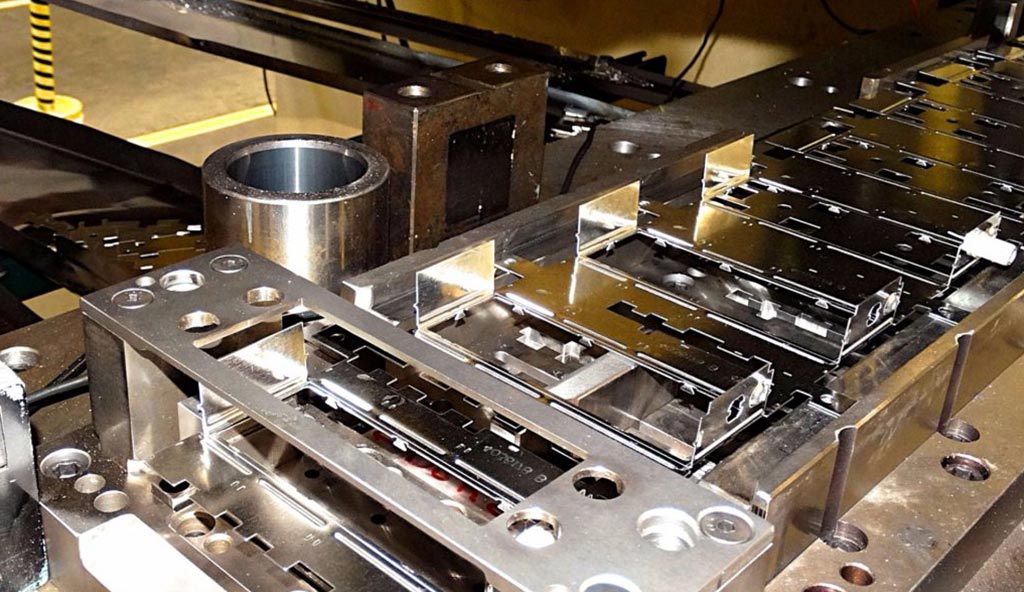
The role of tonnage in steel stamping is a critical factor that determines the efficiency, quality, and safety of metal forming operations. Tonnage refers to the amount of force a stamping press applies to shape, cut, or form steel components. Selecting the correct tonnage is essential for achieving precise results, minimizing tool wear, and ensuring the safety of both equipment and operators. This article explores how tonnage impacts steel stamping, the factors that influence tonnage requirements, and best practices for optimizing press selection and operation.
Professionals in the metalworking industry know that understanding force requirements is just one piece of the puzzle. Material properties, die design, and process parameters all interact with tonnage to influence outcomes. For those interested in related process optimizations, reviewing resources like how to optimize scrap chute angles can further enhance overall stamping efficiency.
Why Tonnage Matters in Metal Forming
In metal stamping, tonnage is the maximum force a press can exert during a single stroke. This force is necessary to deform steel sheets or blanks into desired shapes. If the applied force is too low, the material may not form correctly, leading to incomplete parts or excessive springback. Conversely, excessive force can damage dies, increase maintenance costs, and pose safety risks.
Properly matching the press tonnage to the job ensures:
- Consistent part quality with accurate dimensions
- Reduced risk of die breakage or premature wear
- Improved process safety for operators and equipment
- Optimized energy consumption and operational costs
Understanding the relationship between tonnage and steel stamping outcomes is essential for manufacturers aiming to deliver reliable, high-quality components.
Key Factors Affecting Tonnage Requirements
Several variables influence how much force is needed for a successful stamping operation. Recognizing these factors helps in selecting the right press and setting up the process for optimal results.
Material Properties and Thickness
The type of steel, its yield strength, and thickness directly affect the required tonnage. Harder and thicker materials demand more force to deform. For example, high-strength steels used in automotive applications require presses with higher tonnage ratings compared to mild steel.
Part Geometry and Size
Complex shapes, deep draws, and large surface areas increase the force needed. The perimeter length of the cut or formed area is a key variable in tonnage calculations. Sharp corners, intricate features, and embossing also contribute to higher force requirements.
Die Design and Condition
The sharpness of cutting edges, die clearance, and overall condition of the tooling play a role in how much force is needed. Worn or poorly maintained dies may require more tonnage to achieve the same results, increasing the risk of tool failure.
Lubrication and Process Parameters
Proper lubrication reduces friction between the die and the steel, lowering the force needed for forming or cutting. Process parameters such as stroke speed and press type (mechanical vs. hydraulic) also influence the effective tonnage during operation.
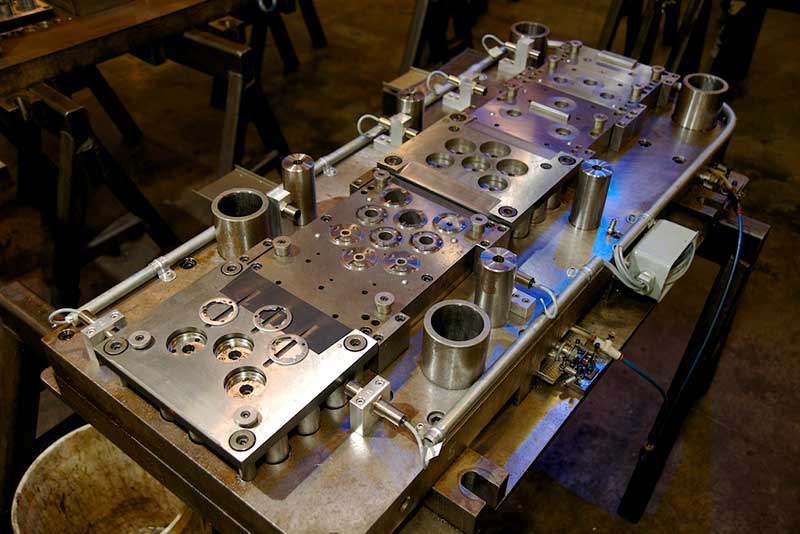
Calculating the Right Tonnage for Steel Stamping
Determining the correct tonnage involves a combination of formulas, material data, and practical experience. The most common calculation for blanking or piercing operations is:
Tonnage (tons) = Perimeter (inches) × Material Thickness (inches) × Shear Strength (tons/in²)
For forming or drawing operations, additional factors such as draw depth, punch radius, and material flow must be considered. Many manufacturers use software tools or consult with die engineers to refine these calculations for complex parts.
It is always recommended to add a safety margin (typically 10–20%) to the calculated force to account for material variations, tool wear, and process fluctuations. This margin helps prevent unexpected press overloads and ensures consistent production quality.
Consequences of Incorrect Tonnage Selection
Choosing the wrong tonnage can have significant negative consequences, including:
- Under-tonnage: Incomplete cuts, poor part formation, excessive burrs, or parts sticking in the die
- Over-tonnage: Accelerated die wear, potential press damage, increased maintenance, and safety hazards
Both scenarios can lead to production delays, increased costs, and compromised product quality. Regular monitoring and adjustment of press settings are necessary to maintain optimal performance.
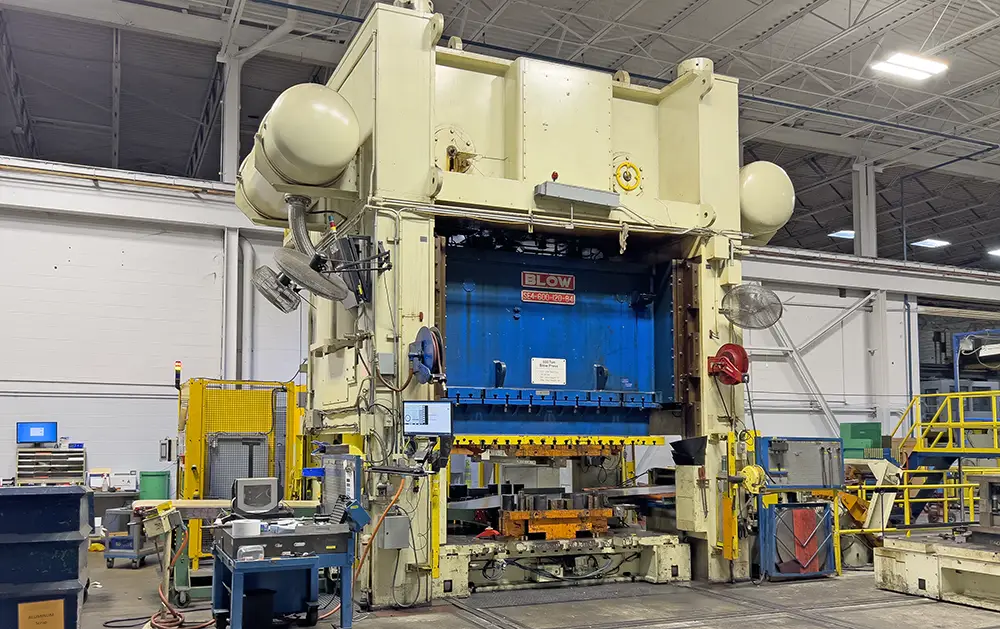
Best Practices for Managing Tonnage in Steel Stamping
To achieve reliable results and extend the life of equipment, manufacturers should follow these best practices:
- Accurately calculate required tonnage for each job and add a safety margin
- Regularly inspect and maintain dies to ensure sharpness and proper alignment
- Use appropriate lubrication to minimize friction and reduce force requirements
- Monitor press performance and adjust settings as needed for material or process changes
- Train operators on safe press operation and the importance of correct tonnage selection
For those working with coated steels, reviewing best practices for stamping coated steels can help avoid surface damage and further optimize press settings.
Safety Considerations When Setting Tonnage
Applying excessive force not only risks damaging equipment but can also create dangerous working conditions. Overloaded presses may fail unexpectedly, and die breakage can result in flying debris. To maintain a safe environment:
- Never exceed the rated capacity of the press
- Use safety devices and guards to protect operators
- Conduct regular safety audits and equipment inspections
- Follow industry guidelines, such as those outlined in metal stamping safety standards
Prioritizing safety not only protects personnel but also helps maintain productivity and equipment longevity.
Optimizing Tonnage for Advanced Materials and Processes
With the increasing use of high-strength steels and advanced alloys, traditional tonnage calculations may not be sufficient. These materials often require specialized tooling, enhanced lubrication, and precise press control. Manufacturers should:
- Consult material suppliers for up-to-date data on shear strength and forming characteristics
- Work with die engineers to design tools that minimize force requirements
- Leverage press monitoring systems to track force application in real time
Staying informed about new materials and process innovations ensures continued success in steel stamping operations.
Frequently Asked Questions
How do I determine the correct tonnage for a new steel stamping project?
Start by calculating the perimeter of the area to be cut or formed, measure the material thickness, and obtain the shear strength from material specifications. Use the standard formula and add a safety margin. For complex parts, consult with tool and die engineers or use specialized software.
What happens if I use a press with too much tonnage?
Using excessive force can lead to premature die wear, potential press damage, and increased safety risks. It may also cause unnecessary energy consumption and higher operational costs.
Can tonnage requirements change during production?
Yes, factors such as material batch variations, die wear, and changes in lubrication can affect the force needed. Regular monitoring and adjustment of press settings help maintain consistent results.
Conclusion
Mastering the role of tonnage in steel stamping is essential for achieving high-quality, cost-effective, and safe manufacturing outcomes. By understanding the factors that influence force requirements and implementing best practices, manufacturers can optimize their stamping processes for a wide range of steel components. For further insights on material selection, consider exploring steel stamping material grain size importance and related topics to stay ahead in the evolving world of metal forming.