
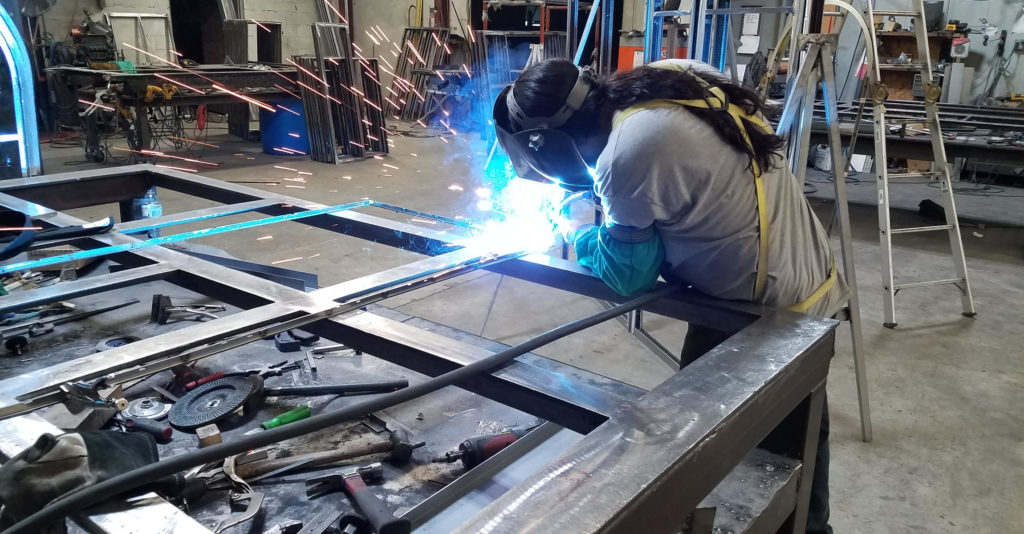
Metal fabrication shops face growing pressure to lower operational costs and minimize their environmental impact. Reducing energy use in metal fabrication is not only a sustainability goal but also a direct path to improving profitability and competitiveness. By understanding where energy is consumed and implementing targeted strategies, fabrication facilities can achieve significant savings while maintaining or even enhancing production quality.
Whether you run a small fabrication shop or manage a large industrial operation, energy efficiency should be a core consideration. From equipment upgrades to process optimization, there are practical steps that can make a measurable difference. For those looking to further optimize their processes, exploring topics like how to optimize scrap chute angles can complement energy-saving efforts by reducing waste and improving workflow.
Understanding Energy Consumption in Fabrication Facilities
Before implementing changes, it’s essential to analyze how and where energy is used throughout the shop. In most metalworking plants, the primary sources of energy consumption include:
- Welding equipment and cutting machines
- Presses, shears, and stamping lines
- Compressed air systems
- Material handling and conveyor systems
- Lighting, HVAC, and support infrastructure
Conducting an energy audit provides a baseline for identifying inefficiencies and prioritizing upgrades. Many facilities discover that a few key processes account for the majority of their energy use, making targeted improvements especially impactful.
Optimizing Equipment and Processes for Lower Energy Use
One of the most effective ways to achieve energy savings in metal fabrication is by upgrading or retrofitting equipment. Modern machinery is often designed with efficiency in mind, featuring variable speed drives, improved insulation, and smarter controls. Consider the following strategies:
- Replace outdated motors with high-efficiency models. Motors are responsible for a significant portion of electricity use in fabrication shops.
- Install variable frequency drives (VFDs) on fans, pumps, and conveyors to match speed with demand, reducing unnecessary power draw.
- Maintain and calibrate welding and cutting equipment regularly to ensure optimal performance and prevent energy waste.
- Upgrade lighting to LED systems with occupancy sensors, which can cut lighting energy use by up to 70%.
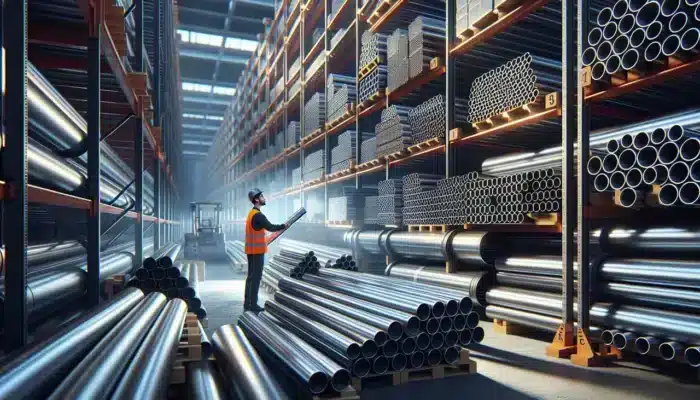
Process Improvements for Reducing Energy Use in Metal Fabrication
Beyond equipment upgrades, process optimization plays a crucial role in minimizing energy consumption. Consider these practical steps:
- Batch processing: Group similar jobs to minimize machine warm-up and cool-down cycles, which are energy-intensive.
- Streamline material flow to reduce unnecessary movement and idling of equipment.
- Implement preventive maintenance schedules to keep machines running efficiently and avoid breakdowns that waste energy.
- Monitor compressed air systems for leaks and install automatic shut-off valves to prevent energy loss during downtime.
Adopting best practices such as best practices for stamping coated steels can also contribute to energy efficiency by reducing rework and scrap rates.
Employee Engagement and Training for Energy Efficiency
Even the best equipment and processes can fall short without the support of a well-trained team. Employee engagement is a key driver of ongoing energy savings. To foster a culture of efficiency:
- Provide regular training on energy-saving techniques and the importance of shutting off equipment when not in use.
- Encourage staff to report leaks, malfunctioning equipment, or process bottlenecks that could be wasting energy.
- Set clear goals and track progress, sharing results with the team to reinforce positive behaviors.
Empowering operators to take ownership of energy use can uncover new opportunities for improvement and ensure that savings are sustained over time.
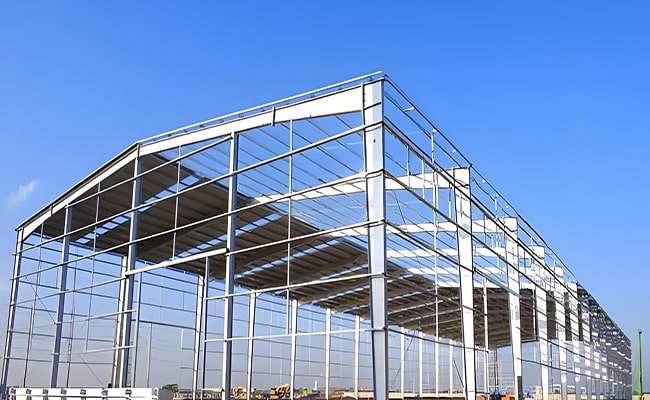
Leveraging Data and Automation for Smarter Energy Management
Modern fabrication operations can benefit from digital tools that provide real-time insights into energy consumption. Installing sensors and energy management systems allows for:
- Continuous monitoring of equipment performance and energy use
- Identifying peak demand times and shifting non-essential loads
- Automating shutdowns during idle periods
- Generating reports to support ongoing improvement initiatives
By leveraging data, managers can make informed decisions and quickly address issues that would otherwise go unnoticed. Automation not only saves energy but also reduces the risk of human error.
Material Selection and Waste Reduction
Material choices and waste management also influence energy consumption. Using materials that are easier to process or require less finishing can reduce machine run times and associated power use. Additionally, minimizing scrap and rework directly lowers the energy required per finished part.
For a deeper dive into how material properties affect fabrication, explore resources like steel stamping material yield strength considerations and steel stamping material grain size importance. These considerations can help optimize both material efficiency and energy use.
Adopting Sustainable and Eco-Friendly Practices
Many fabrication businesses are now looking beyond energy efficiency to broader sustainability goals. Adopting eco-friendly practices such as recycling scrap metal, using renewable energy sources, and selecting environmentally responsible suppliers can further reduce the environmental footprint of operations. For more ideas, see sustainability and eco-friendly practices in manufacturing.
Measuring Results and Continuous Improvement
Achieving and maintaining lower energy use is an ongoing process. Facilities should regularly track key performance indicators (KPIs) such as energy consumption per unit produced, cost savings, and emissions reductions. Use this data to identify new opportunities, set benchmarks, and celebrate milestones with your team.
Continuous improvement ensures that energy-saving measures remain effective as technology and production demands evolve. Periodic reviews and audits can help keep your operation on track and responsive to new challenges.
FAQ: Common Questions About Saving Energy in Metalworking
What are the biggest sources of energy use in a typical metal fabrication shop?
The largest contributors are usually welding and cutting equipment, presses, and compressed air systems. Lighting and HVAC can also be significant, especially in larger facilities. Identifying the main energy consumers is the first step toward targeted savings.
How can small shops achieve meaningful energy savings?
Even without large capital investments, small shops can benefit from regular equipment maintenance, upgrading to LED lighting, fixing compressed air leaks, and training staff to power down machines when not in use. Simple process changes and employee engagement often yield quick results.
Is it worth investing in automation for energy management?
For many operations, automation and digital monitoring provide a strong return on investment by enabling precise control over energy use, preventing waste, and supporting continuous improvement. The benefits often extend beyond energy savings to include better process reliability and reduced downtime.