
The movement of recycled metals across international borders plays a crucial role in today’s industrial economy. As demand for sustainable materials grows, the trade of scrap and reused metals has become a key factor in reducing environmental impact and supporting resource efficiency worldwide. Understanding the dynamics of this sector sheds light on both economic opportunities and the challenges faced by businesses, governments, and communities involved in the process.
This article explores the complex landscape of recycled metals and global trade, highlighting major trends, environmental benefits, regulatory issues, and the evolving market. For those working in metalworking, manufacturing, or sustainability, staying informed about these developments is essential. For further insights into related industrial practices, you may want to review best practices for stamping coated steels to ensure optimal results when working with recycled materials.
How International Markets Shape the Recycled Metals Sector
The global exchange of scrap metals is driven by a combination of industrial demand, resource scarcity, and environmental policies. Countries with advanced manufacturing sectors, such as China, India, and Turkey, are major importers of recycled ferrous and non-ferrous metals. These materials are essential for producing new steel, aluminum, copper, and other products, often at a lower environmental and financial cost compared to mining virgin ores.
Exporters, including the United States, European Union nations, and Japan, collect and process large volumes of scrap, shipping them to regions where demand outpaces local supply. This interconnected system helps balance global resource needs and supports circular economy principles.
Environmental and Economic Benefits of Trading Recycled Metals
Trading in reused metals offers significant environmental advantages. Recycling metals uses far less energy than extracting and refining raw materials. For instance, producing aluminum from scrap requires up to 95% less energy than using bauxite ore. This reduction in energy consumption translates to lower greenhouse gas emissions and less strain on natural resources.
Economically, the trade in recycled materials creates jobs in collection, sorting, processing, and logistics. It also provides manufacturers with a steady supply of affordable, high-quality feedstock. By participating in this market, companies can reduce costs, improve sustainability credentials, and respond to consumer demand for greener products.
Key Metals in the International Recycling Trade
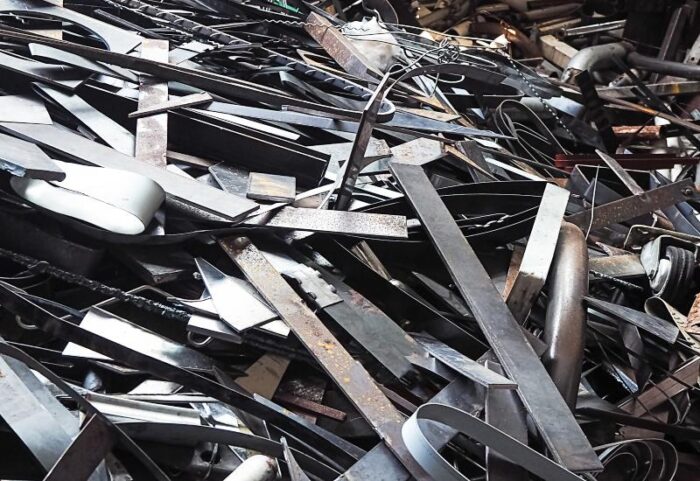
Several metals dominate the international recycling market. Steel scrap is the most widely traded, followed by aluminum, copper, and brass. Each of these materials has unique properties, recycling processes, and market dynamics:
- Steel: Used in construction, automotive, and machinery sectors. Its magnetic properties make it easy to separate and recycle.
- Aluminum: Common in packaging, transportation, and consumer goods. Lightweight and corrosion-resistant, it is highly valued for recycling.
- Copper: Essential for electrical wiring and electronics. High conductivity and value drive strong demand for recycled copper.
- Brass and Other Alloys: Used in plumbing, decorative items, and specialized applications. These alloys are often separated and processed for specific end uses.
The ability to efficiently sort and process these metals is critical for maximizing value and minimizing waste. For technical guidance on achieving optimal results in metalworking, consider exploring steel stamping edge quality optimization for best practices in handling recycled inputs.
Regulatory Challenges and Compliance in Cross-Border Metal Flows
The trade of recycled materials is subject to a complex web of international, national, and local regulations. These rules are designed to prevent illegal dumping, ensure environmental protection, and maintain fair competition. Key frameworks include the Basel Convention, which governs the movement of hazardous wastes, and various national export/import restrictions.
Companies involved in this sector must stay up to date with evolving compliance requirements. This includes proper documentation, adherence to quality standards, and transparency in sourcing. For those operating in steel manufacturing, understanding steel stamping secondary operation considerations can help ensure that recycled inputs meet necessary specifications.
Trends Shaping the Future of Recycled Metals in International Commerce
Several trends are influencing the future of the recycled metals sector:
- Increased Demand for Sustainable Materials: As industries and consumers prioritize sustainability, the appetite for recycled content continues to grow.
- Technological Advancements: Innovations in sorting, shredding, and refining are improving recovery rates and material quality.
- Policy Shifts: Governments are introducing stricter recycling targets and import/export controls, affecting market access and pricing.
- Supply Chain Resilience: Disruptions in global logistics have highlighted the importance of reliable, local sources of recycled feedstock.
Staying informed about these developments is essential for businesses seeking to remain competitive and compliant. For a deeper dive into the technical and regulatory aspects of metalworking, review resources on how to train operators for steel stamping safety and how to manage lubrication runoff in stamping.
Global Impact and Opportunities in the Scrap Metal Market
The international trade of recycled metals not only supports industrial growth but also contributes to environmental stewardship. By reducing the need for new mining and lowering energy consumption, this sector helps address climate change and resource depletion.
Emerging economies are increasingly participating in the market, both as suppliers and consumers. This shift creates new opportunities for investment, technology transfer, and collaboration. For a comprehensive analysis of the environmental and economic implications, see this in-depth article on the global market for recycled metals.
Frequently Asked Questions
What are the main benefits of using recycled metals in manufacturing?
Utilizing recycled metals reduces energy consumption, lowers greenhouse gas emissions, and conserves natural resources. It also helps manufacturers cut costs and meet sustainability goals.
Which countries are the largest importers and exporters of scrap metals?
Major exporters include the United States, European Union, and Japan, while China, India, and Turkey are among the top importers. These flows are influenced by industrial demand, local supply, and regulatory policies.
How do regulations affect the international trade of recycled metals?
Regulations such as the Basel Convention and national export/import controls ensure that the trade is conducted safely and ethically. Compliance with these rules is essential for legal operation and environmental protection.