
The mining and metals industry faces increasing pressure to minimize its environmental impact, particularly when it comes to managing waste generated during ore processing. Ore processing waste reduction is not only a regulatory and environmental concern, but also a strategic opportunity for operational efficiency and cost savings. By adopting modern methods and advanced equipment, companies can significantly decrease waste, recover valuable materials, and improve sustainability across the value chain.
This article explores practical approaches to minimizing waste in ore processing, highlighting proven techniques, essential machinery, and the broader benefits for both business and the environment. For those interested in broader industry trends, you may also want to explore innovations in metal recycling technology that are shaping the future of sustainable manufacturing.
Understanding Waste Streams in Ore Processing
Ore processing generates several types of waste, including tailings, slag, dust, and process water residues. Each waste stream poses unique challenges for containment, treatment, and disposal. The main sources of waste are:
- Tailings: Finely ground rock left after valuable minerals are extracted.
- Slag: Byproduct of smelting and refining processes.
- Process Water: Water contaminated with chemicals or suspended solids.
- Dust and Airborne Particulates: Generated during crushing, grinding, and transport.
Reducing these waste streams requires a combination of process optimization, material recovery, and the use of specialized equipment.
Key Methods for Minimizing Ore Processing Waste
Several strategies have proven effective for reducing waste in ore processing. These approaches can be implemented individually or in combination, depending on the specific operation and ore type.
Process Optimization and Value Stream Mapping
Improving process efficiency is the foundation of waste minimization. Techniques such as value stream mapping metals industry help identify bottlenecks, material losses, and unnecessary steps that contribute to waste. By streamlining operations, companies can reduce the volume of tailings and other byproducts.
Enhanced Material Recovery
Modern separation technologies, including flotation, magnetic separation, and gravity concentration, enable higher recovery rates of valuable minerals. This not only increases yield but also reduces the amount of waste sent to tailings storage. In some cases, reprocessing old tailings with new equipment can recover additional metals and further decrease environmental impact.
Water Recycling and Closed-Loop Systems
Water is a critical resource in ore processing. Implementing closed-loop water systems allows for the reuse of process water, minimizing discharge and reducing the need for fresh water intake. Advanced filtration and treatment technologies can remove contaminants, making water suitable for reuse within the plant.
Slag and Byproduct Utilization
Slag and other byproducts can often be repurposed for construction materials, road aggregate, or cement production. Finding secondary uses for these materials diverts them from landfills and creates new revenue streams.
Adoption of Supplier Waste Reduction Programs
Collaborating with suppliers to implement supplier waste reduction programs metals can help minimize waste at the source. This includes sourcing higher-quality raw materials, using returnable packaging, and encouraging suppliers to adopt sustainable practices.
Essential Equipment for Waste Minimization
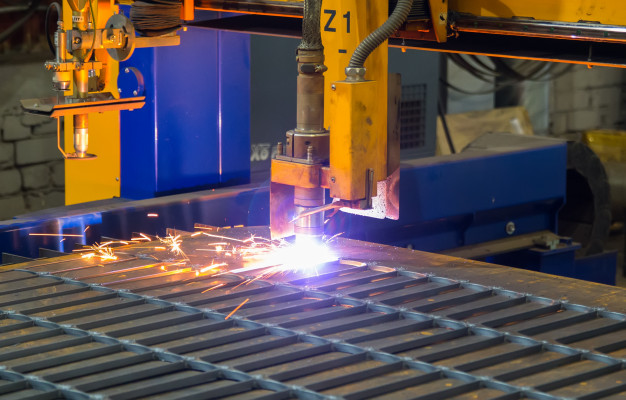
The right equipment is crucial for effective ore processing waste reduction. Modern plants rely on a range of machinery to optimize recovery, minimize losses, and treat waste streams. Some of the most important equipment includes:
- High-Efficiency Grinding Mills: Reduce energy use and generate less fine waste.
- Advanced Flotation Cells: Improve separation of minerals from gangue, increasing recovery rates.
- Magnetic and Gravity Separators: Extract valuable metals from ore and tailings.
- Thickeners and Filter Presses: Concentrate tailings and recover process water for reuse.
- Dust Collection Systems: Capture airborne particulates for safer, cleaner operations.
- Automated Sampling and Monitoring Tools: Ensure process control and early detection of inefficiencies.
Investing in modern, energy-efficient equipment not only reduces waste but also lowers operating costs and improves workplace safety.
Best Practices for Sustainable Waste Management
Implementing a comprehensive waste management plan is essential for long-term sustainability in ore processing. Some best practices include:
- Regularly auditing waste streams to identify new reduction opportunities.
- Training staff on efficient material handling and spill prevention.
- Investing in research and development to improve recovery technologies.
- Partnering with local communities and regulators to ensure responsible disposal and remediation.
- Adopting international standards such as ISO 14001 in metal manufacturing for environmental management.
For a deeper dive into managing metal waste responsibly, see this comprehensive guide to metal waste management which covers industry standards and innovative solutions.
Benefits of Reducing Waste in Ore Processing
Adopting effective waste reduction strategies delivers significant benefits:
- Cost Savings: Lower disposal fees, reduced raw material costs, and improved process efficiency.
- Environmental Protection: Less land and water pollution, reduced greenhouse gas emissions, and improved biodiversity.
- Regulatory Compliance: Meeting or exceeding environmental standards reduces legal risks and enhances reputation.
- Resource Recovery: Maximizing the extraction of valuable metals from ore and waste streams.
- Improved Community Relations: Demonstrating commitment to sustainability builds trust with stakeholders.
Integrating Waste Reduction with End-of-Life Metal Recycling
Waste minimization in ore processing is closely linked to downstream recycling efforts. By designing processes that facilitate the recovery of metals at the end of their lifecycle, companies can create a more circular economy. For strategies on how manufacturers can enhance recycling at product end-of-life, refer to end of life metal recycling strategies.
Frequently Asked Questions
What are the main challenges in reducing waste from ore processing?
The biggest challenges include dealing with complex ore compositions, high initial investment in new equipment, and ensuring that waste reduction methods do not compromise product quality or recovery rates. Regulatory compliance and community expectations also play a significant role.
How can companies measure the effectiveness of their waste reduction efforts?
Effectiveness can be measured by tracking key performance indicators such as the volume of tailings generated per ton of ore processed, water reuse rates, and recovery percentages for valuable metals. Regular audits and benchmarking against industry standards are also important.
Is it possible to achieve zero waste in ore processing?
While achieving absolute zero waste is extremely challenging due to the nature of mineral extraction, significant reductions are possible through process optimization, advanced recovery technologies, and by finding secondary uses for byproducts. The goal should be to approach zero waste as closely as practical.