
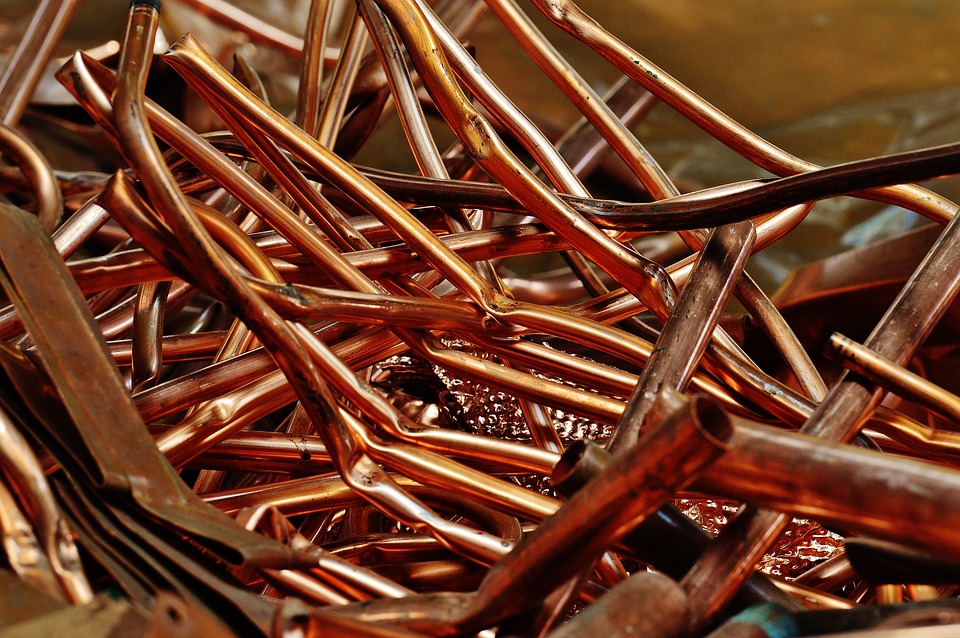
Metal recycling success stories from across the industrial sector highlight the transformative power of sustainable practices. As manufacturers, processors, and recyclers seek to minimize waste and maximize resource efficiency, real-world examples offer valuable insights into how businesses are turning scrap into opportunity. These achievements not only help the environment but also drive economic growth and innovation.
The journey toward a circular economy in metals is paved with creative solutions, advanced technologies, and a commitment to responsible sourcing. Companies are rethinking their processes, investing in modern equipment, and collaborating across the supply chain to achieve remarkable results. For those interested in optimizing their own operations, understanding these industry milestones can provide both inspiration and practical guidance.
For manufacturers working with steel, optimizing material flow is crucial. If you’re looking to improve your scrap handling process, check out this guide on how to optimize scrap chute angles for more efficient steel stamping operations.
Industry Leaders Driving Change in Metal Recycling
Several prominent companies have set benchmarks in the field by integrating advanced recycling technologies and fostering a culture of sustainability. Their efforts have led to significant reductions in landfill waste and increased recovery rates for valuable metals.
- Automotive manufacturers have pioneered closed-loop recycling systems, reclaiming aluminum and steel from production scrap and end-of-life vehicles. By doing so, they not only reduce raw material consumption but also lower their carbon footprint.
- Electronics producers are extracting precious and non-ferrous metals from obsolete devices, turning e-waste into a resource. These programs recover copper, gold, and rare earth elements, which are then reintroduced into the manufacturing cycle.
- Construction firms are increasingly sourcing recycled steel and aluminum for new projects, demonstrating that reclaimed materials can meet stringent quality standards while supporting green building certifications.
Innovative Approaches to Scrap Metal Recovery
The success of metal recycling often hinges on the adoption of new technologies and process improvements. Automated sorting systems, sensor-based separation, and efficient shredding equipment have revolutionized the way recyclers handle complex waste streams.
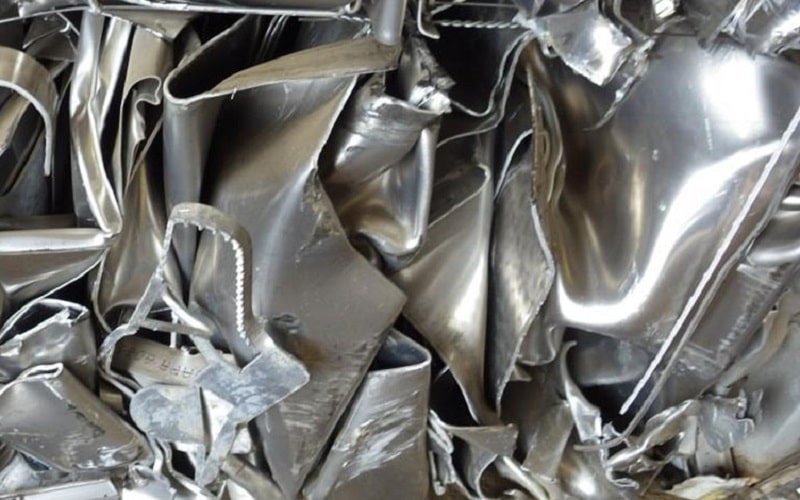
For example, the use of high-efficiency shredders allows facilities to process large volumes of scrap quickly, separating ferrous from non-ferrous metals with minimal manual intervention. This not only boosts recovery rates but also improves workplace safety and reduces operational costs.
In addition, some companies are leveraging data analytics to monitor material flows and identify opportunities for further optimization. By tracking the types and quantities of metals recovered, they can adjust their processes in real time to maximize yield and minimize losses.
Case Studies: Real-World Metal Recycling Achievements
Examining specific instances where businesses have excelled in recycling offers practical lessons for others in the sector. Here are a few notable examples:
- Aluminum beverage can recycling has reached impressive levels in many regions, with some facilities achieving recovery rates above 95%. This is made possible by efficient collection systems and the inherent recyclability of aluminum, which can be reused indefinitely without loss of quality.
- Steel mills are increasingly using electric arc furnaces powered by recycled scrap, significantly reducing energy consumption compared to traditional blast furnaces. This shift not only conserves natural resources but also cuts greenhouse gas emissions.
- Electronics recycling centers have developed specialized processes to safely extract valuable metals from circuit boards and wiring, preventing hazardous materials from entering the environment while recovering high-value resources.
For more information on the most commonly recycled non-ferrous metals and their impact, see this comprehensive overview of non-ferrous metal recycling.
Benefits of Successful Metal Recycling Initiatives
The positive outcomes of effective recycling programs extend far beyond waste reduction. Companies that prioritize sustainable practices often enjoy lower material costs, improved brand reputation, and compliance with increasingly stringent environmental regulations.
Some additional advantages include:
- Resource conservation: Recycling metals reduces the need for mining and extraction, preserving natural resources for future generations.
- Energy savings: Producing metals from recycled materials typically requires less energy than processing virgin ore, resulting in lower emissions and operational expenses.
- Job creation: The recycling industry supports a wide range of skilled and unskilled jobs, from collection and sorting to processing and manufacturing.
These benefits make a compelling case for continued investment in recycling infrastructure and education.
Challenges and Solutions in Industrial Metal Recovery
Despite the many metal recycling success stories, the industry faces ongoing challenges. Contamination, fluctuating commodity prices, and logistical hurdles can complicate recovery efforts. However, innovative solutions are emerging to address these obstacles.
For example, improved sorting technologies can separate mixed metal streams more effectively, while partnerships between manufacturers and recyclers help ensure a steady supply of high-quality scrap. Education and outreach programs also play a vital role in encouraging participation and reducing contamination at the source.
Companies are also exploring ways to optimize their stamping and forming processes to minimize offcuts and maximize yield. For those interested in material science, understanding steel stamping material yield strength considerations can further enhance efficiency and sustainability.

Looking Ahead: The Future of Metal Recycling
As industries continue to embrace circular economy principles, the potential for new metal recycling success stories grows. Advances in automation, artificial intelligence, and materials science are set to further improve recovery rates and reduce environmental impact.
Collaboration across sectors will be key to unlocking these opportunities. By sharing best practices and investing in research, businesses can ensure that recycling remains at the heart of sustainable manufacturing.
For those seeking to enhance their own processes, exploring topics like best practices for stamping coated steels and steel stamping material grain size importance can provide actionable strategies for reducing waste and improving product quality.
Frequently Asked Questions
What Are the Most Commonly Recycled Metals in Industry?
The most frequently recycled metals include steel, aluminum, copper, brass, and lead. These materials are widely used across manufacturing sectors and can be efficiently recovered and reused multiple times without significant loss of quality.
How Do Companies Ensure the Quality of Recycled Metals?
Quality control is maintained through advanced sorting, cleaning, and processing techniques. Many recyclers use sensor-based systems and rigorous testing to ensure that reclaimed metals meet industry standards for purity and performance.
What Are the Main Environmental Benefits of Metal Recycling?
Recycling metals conserves natural resources, reduces energy consumption, and lowers greenhouse gas emissions. It also helps minimize landfill waste and decreases the environmental impact of mining and raw material extraction.