
The world of metal recycling is vast, dynamic, and essential to both environmental sustainability and the global economy. Understanding metal recycling statistics and facts helps businesses, policymakers, and individuals make informed decisions about resource use, waste reduction, and environmental impact. From the types of metals most commonly recycled to the impressive energy savings and economic benefits, the numbers behind metal recycling reveal its critical role in modern society.
Whether you’re involved in manufacturing, waste management, or simply looking to reduce your carbon footprint, knowing the latest trends and data in this sector can guide your actions. For those working with steel and related materials, it’s also valuable to stay updated on best practices for stamping coated steels to ensure efficient and sustainable operations.
Why Metal Recycling Matters: Key Insights
Recycling metals is far more than a matter of waste management—it’s a cornerstone of sustainable industry. The process conserves natural resources, reduces greenhouse gas emissions, and saves significant amounts of energy compared to producing metals from virgin ore. According to recent studies, recycling aluminum saves up to 95% of the energy required to produce new aluminum from raw materials. For steel, the energy savings are around 60–74%.
The environmental benefits are matched by economic gains. The global scrap metal recycling market was valued at over $340 billion in 2022 and is projected to continue growing as demand for sustainable materials rises. This sector also supports millions of jobs worldwide, from collection and sorting to processing and manufacturing.
Global Metal Recycling by the Numbers
The scale of metal recycling worldwide is impressive. Each year, more than 500 million tons of ferrous metals (primarily iron and steel) are recycled globally. Non-ferrous metals, such as aluminum, copper, and lead, also make up a significant portion of the recycling stream.
- Steel is the most recycled material on the planet, with over 80% of all steel products containing recycled content.
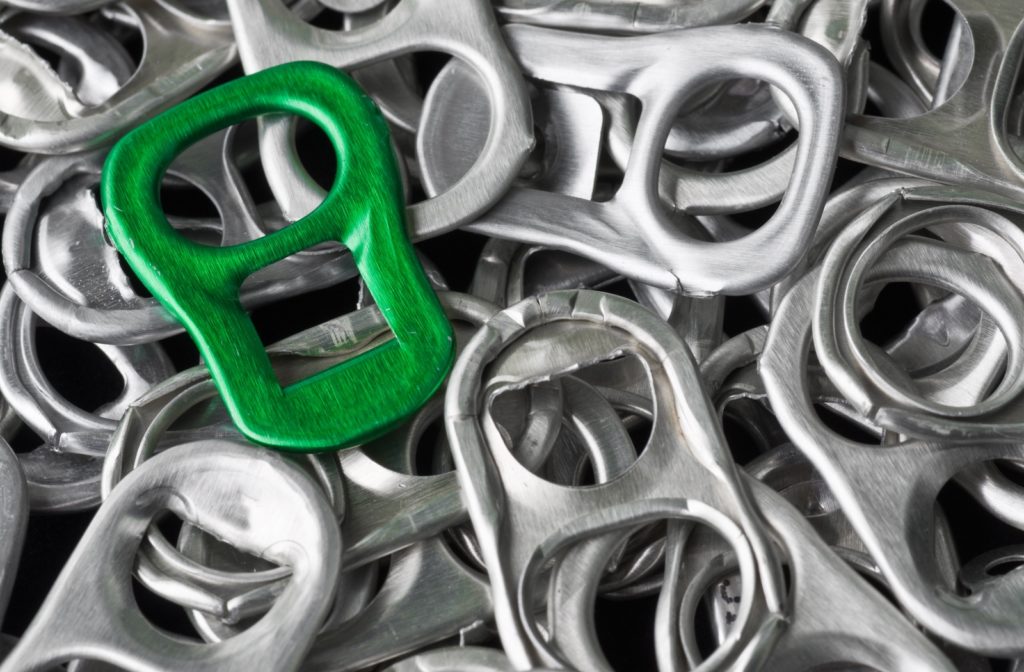
- Aluminum cans are among the most efficiently recycled consumer products, with a recycling rate of about 69% globally.
- Copper recycling supplies approximately one-third of the world’s copper demand each year.
- Recycling one ton of aluminum saves around 14,000 kWh of energy and prevents 10 tons of CO2 emissions.
Types of Metals Commonly Recycled
Not all metals are recycled at the same rate or in the same way. The most commonly recycled metals include:
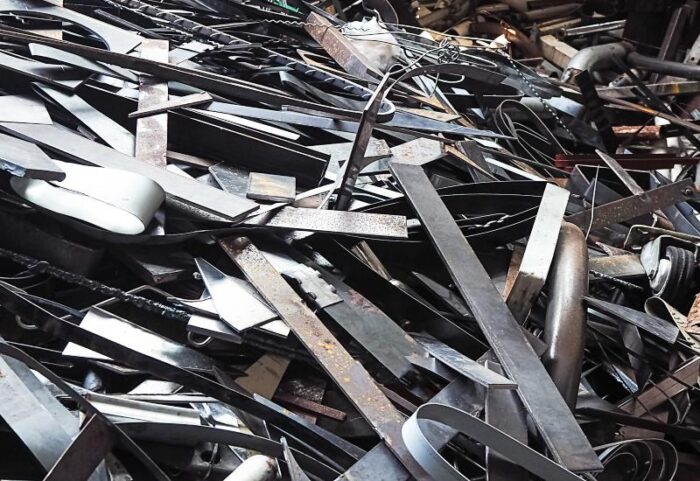
- Ferrous metals: Iron and steel are widely recycled due to their high value and ease of processing.
- Non-ferrous metals: Aluminum, copper, brass, lead, and zinc are also frequently recycled. These metals retain their properties through multiple recycling cycles, making them highly valuable.
For a deeper dive into the different types of recyclable metals, you can explore this guide to recyclable metals.
Environmental Impact: Energy Savings and Emissions Reduction
One of the most compelling metal recycling statistics and facts is the dramatic reduction in energy usage and emissions. For example, producing new steel from recycled scrap requires about 40% less water and produces 76% fewer water pollutants compared to steel made from virgin ore.
Aluminum recycling is particularly impactful. Recycling just one aluminum can saves enough energy to power a television for three hours. On a larger scale, the annual energy saved by recycling aluminum cans in the United States alone is equivalent to the energy needed to power over 4 million homes for a year.
These savings translate to significant reductions in greenhouse gas emissions, helping combat climate change and improve air quality.
Economic Benefits and Industry Trends
The economic advantages of recycling metals extend beyond energy savings. The industry creates jobs, supports local economies, and reduces reliance on imported raw materials. In the United States, the scrap recycling industry directly and indirectly supports nearly 500,000 jobs and generates over $110 billion in economic activity annually.
As demand for sustainable products grows, manufacturers are increasingly incorporating recycled metals into their supply chains. This trend is expected to accelerate as more companies set ambitious environmental targets and governments introduce stricter recycling regulations.
Challenges and Opportunities in the Sector
Despite its many benefits, the metal recycling industry faces several challenges. Contamination of scrap materials, fluctuating commodity prices, and gaps in collection infrastructure can limit recycling rates. Education and investment in advanced sorting technologies are key to overcoming these barriers.
On the opportunity side, innovations in sorting, automation, and digital tracking are making recycling more efficient and profitable. Companies that adopt these technologies can improve recovery rates and reduce operational costs.
For those in the steel stamping industry, understanding steel stamping edge quality optimization can further enhance the value and recyclability of metal products.
Frequently Asked Questions
What Are the Most Commonly Recycled Metals?
The most frequently recycled metals are steel, aluminum, copper, brass, and lead. Steel and aluminum are especially prevalent due to their widespread use and high recyclability.
How Does Metal Recycling Benefit the Environment?
Recycling metals conserves natural resources, reduces energy consumption, and lowers greenhouse gas emissions. For example, recycling aluminum saves up to 95% of the energy compared to producing it from raw ore.
What Is the Economic Impact of Metal Recycling?
The industry supports hundreds of thousands of jobs and generates billions in economic activity. It also reduces reliance on imported raw materials and stabilizes supply chains for manufacturers.
Conclusion: The Future of Metal Recovery
The data and trends highlighted in this article underscore the vital role of recycling in both environmental stewardship and economic growth. As technology advances and awareness grows, the sector is poised for continued expansion and innovation. Staying informed about metal recycling statistics and facts empowers individuals and organizations to make choices that benefit both the planet and the bottom line.
For further reading on related industrial processes, consider exploring topics such as how to train operators for steel stamping safety and steel stamping secondary operation considerations to optimize your approach to metalworking and recycling.