
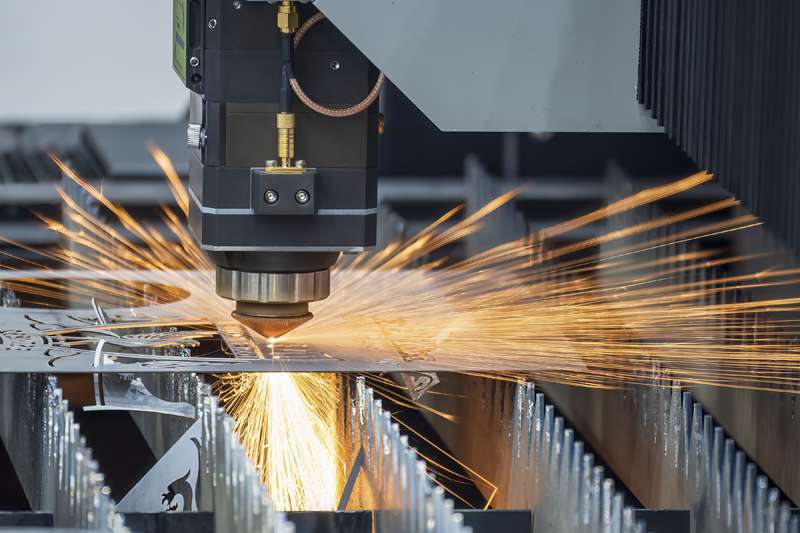
As industries face increasing pressure to minimize environmental impact and maximize efficiency, metal product lifecycle optimization has become a central focus for manufacturers and designers. This approach considers every stage of a metal product’s existence—from raw material sourcing and design to manufacturing, usage, and end-of-life recycling. By integrating sustainability into each phase, companies can reduce waste, conserve resources, and improve overall product value.
Optimizing the lifecycle of metal products is not just about environmental responsibility; it also drives cost savings, regulatory compliance, and brand reputation. Early adoption of sustainable practices can help businesses stay ahead of industry trends and meet growing customer expectations. For those interested in broader industry shifts, exploring future of sustainable metal manufacturing provides valuable context on where the sector is heading.
Understanding the Lifecycle of Metal Products
The journey of a metal product typically involves several key stages: material extraction, design, manufacturing, distribution, use, and end-of-life management. Each stage presents unique opportunities and challenges for metal product lifecycle optimization. By analyzing the entire process, organizations can identify inefficiencies and areas for improvement.
- Material Sourcing: Choosing recycled or responsibly sourced metals reduces environmental impact from the outset.
- Design: Sustainable design principles can minimize material usage and simplify future recycling.
- Manufacturing: Efficient production methods lower energy consumption and waste.
- Distribution: Streamlined logistics reduce emissions and packaging waste.
- Usage: Durable, repairable products extend service life and reduce replacement needs.
- End-of-Life: Designing for disassembly and recycling closes the loop, turning waste into resources.
For a practical look at process improvements, the value stream mapping metals industry guide offers actionable steps to identify and eliminate inefficiencies in metalworking operations.
Key Strategies for Sustainable Metal Design
Integrating sustainability into product development is essential for effective lifecycle management. Here are several strategies that support environmentally responsible design:
- Design for Longevity: Select materials and finishes that enhance durability and resist corrosion, reducing the need for frequent replacements.
- Modular Construction: Create products with interchangeable parts to facilitate repairs and upgrades instead of full replacements.
- Material Efficiency: Use computer-aided design (CAD) and simulation tools to minimize material waste during fabrication.
- Recyclability: Choose alloys and joining methods that allow for easy separation and recycling at end-of-life.
- Reduced Toxicity: Avoid hazardous coatings and additives that complicate recycling or pose health risks.
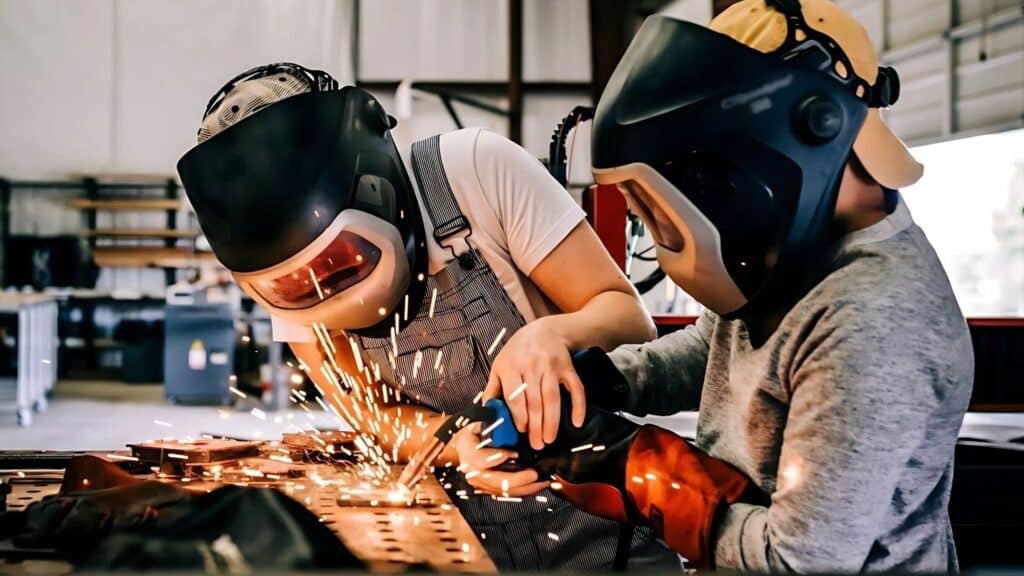
Manufacturing Innovations for Lifecycle Efficiency
Advancements in manufacturing play a crucial role in optimizing the lifecycle of metal products. Modern fabrication techniques and digital tools help reduce waste, improve quality, and lower energy consumption. For example, additive manufacturing (3D printing) enables precise material usage, while automation minimizes human error and increases consistency.
Companies are also investing in closed-loop systems that capture and reuse scrap metal, further reducing reliance on virgin materials. For those interested in the latest breakthroughs, the article on innovations in metal recycling technology highlights how new processes are transforming the industry’s approach to waste and resource management.
Supplier Collaboration and Waste Reduction
Effective lifecycle management extends beyond internal operations. Partnering with suppliers who share sustainability goals can amplify positive outcomes. Implementing supplier waste reduction programs metals ensures that materials are sourced and processed with minimal waste, supporting a more sustainable supply chain.
End-of-Life Management and Circularity
One of the most impactful ways to improve sustainability is to design products with their end-of-life in mind. This includes:
- Design for Disassembly: Products that can be easily taken apart simplify recycling and component reuse.
- Material Identification: Clearly labeling alloys and components aids recyclers in sorting and processing materials efficiently.
- Take-Back Programs: Manufacturers can offer incentives for customers to return used products for recycling or refurbishment.
Adopting these practices not only conserves resources but also reduces landfill waste and lowers the environmental footprint of metal products. For a deeper look at industrial waste challenges, see this analysis of industrial waste management issues and solutions in emerging markets.
Energy Efficiency and Emissions Reduction
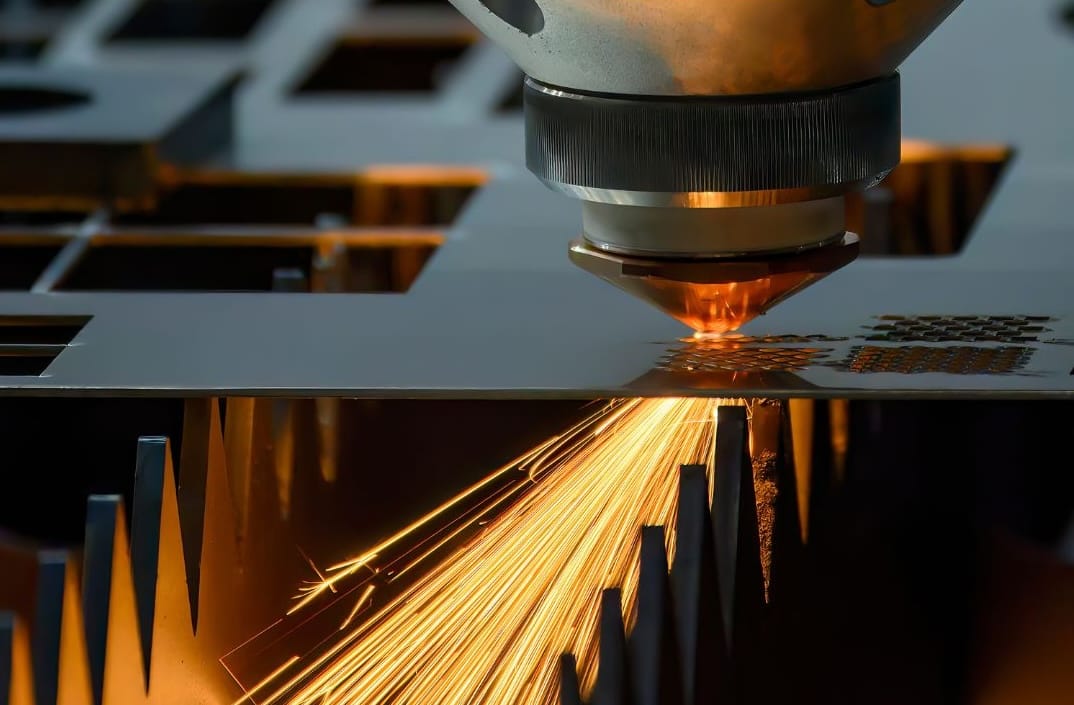
Reducing energy consumption throughout the product lifecycle is another pillar of sustainable metalworking. Manufacturers are increasingly adopting renewable energy sources, optimizing equipment, and recovering waste heat to lower their carbon footprint. For example, implementing waste heat recovery in steel plants can significantly cut energy costs and emissions.
Energy-efficient practices not only benefit the environment but also result in long-term financial savings. Monitoring and optimizing energy use at every stage—from smelting to finishing—ensures that sustainability targets are met without compromising productivity.
Benefits of Lifecycle Optimization for Metal Products
Adopting a holistic approach to product lifecycle management yields several advantages:
- Reduced Environmental Impact: Lower emissions, less waste, and decreased resource extraction.
- Cost Savings: Efficient use of materials and energy reduces operational expenses.
- Regulatory Compliance: Meeting or exceeding environmental standards avoids fines and enhances market access.
- Enhanced Brand Value: Demonstrating commitment to sustainability attracts eco-conscious customers and partners.
- Innovation: Continuous improvement fosters new technologies and business models.
Frequently Asked Questions
What is the main goal of optimizing the lifecycle of metal products?
The primary objective is to minimize environmental impact and resource use by improving efficiency, recyclability, and sustainability at every stage—from design to disposal.
How can manufacturers ensure their products are easy to recycle?
By selecting recyclable materials, avoiding hazardous additives, and designing for easy disassembly, manufacturers can make recycling more efficient and cost-effective.
Are there financial benefits to adopting sustainable design practices?
Yes, companies often see reduced material and energy costs, improved regulatory compliance, and increased customer loyalty, all of which contribute to long-term profitability.