
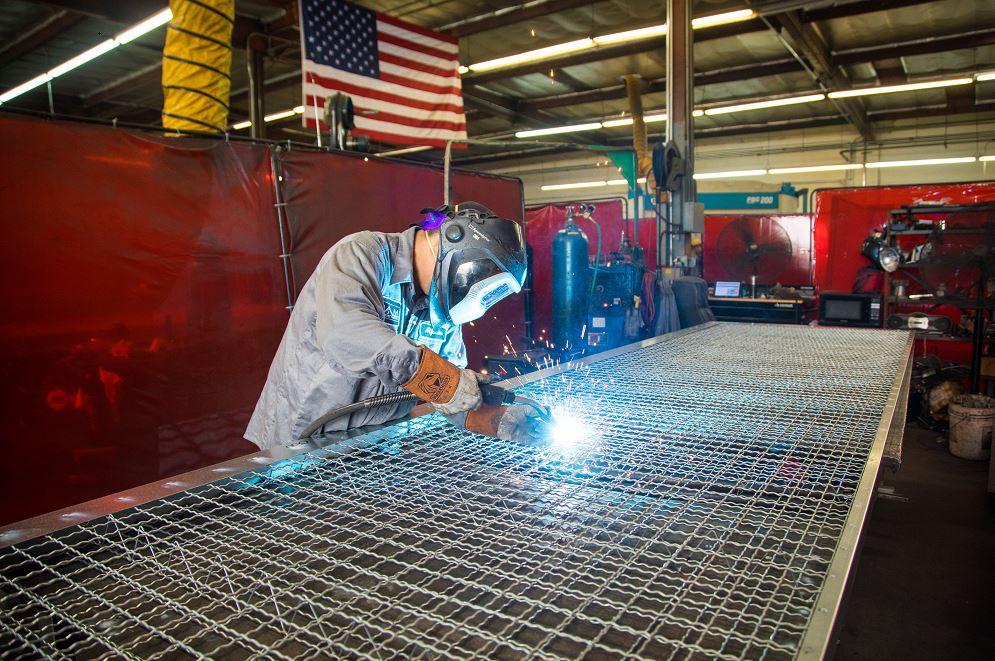
In the world of metal manufacturing, production slowdowns can have a significant impact on efficiency, costs, and customer satisfaction. Manufacturing bottleneck reduction metals is a critical focus for factories aiming to streamline operations, meet deadlines, and stay competitive. By identifying and addressing bottlenecks in metal fabrication, cutting, and assembly, manufacturers can boost throughput and minimize waste.
This article explores practical strategies for reducing bottlenecks in metalworking environments. You’ll find actionable advice on process analysis, equipment upgrades, workforce training, and leveraging technology. We’ll also highlight industry best practices and link to further resources for continuous improvement.
For those interested in a broader perspective on process optimization, the value stream mapping metals industry guide offers additional insights into identifying inefficiencies and mapping out improvements across the production chain.
Understanding Bottlenecks in Metal Manufacturing
A bottleneck is any point in the production process where the flow of work slows down or stalls, limiting overall output. In metalworking, bottlenecks often occur at specific machines, workstations, or stages such as cutting, welding, or finishing. These constraints can be caused by outdated equipment, inconsistent material supply, insufficient labor skills, or inefficient workflows.
Recognizing the signs of a bottleneck is the first step. Common indicators include:
- Work-in-progress piling up before a specific machine or station
- Frequent overtime or rush jobs to meet deadlines
- Idle time for downstream processes waiting for upstream output
- Quality issues due to rushed or overloaded operations
By addressing these issues, manufacturers can unlock higher productivity and reduce costs associated with delays and rework.
Key Strategies for Manufacturing Bottleneck Reduction Metals
Reducing bottlenecks in metal production requires a combination of process analysis, technology adoption, and workforce development. Here are proven approaches to streamline operations:
1. Analyze and Map the Workflow
Start by mapping out every step of your metal fabrication process. Use tools like process flow diagrams or digital value stream mapping to visualize where slowdowns occur. Involving operators and supervisors in this analysis helps uncover hidden inefficiencies.
For a deeper dive into mapping techniques, the value stream mapping metals industry resource provides a practical guide tailored to metal manufacturers.
2. Upgrade Equipment and Technology
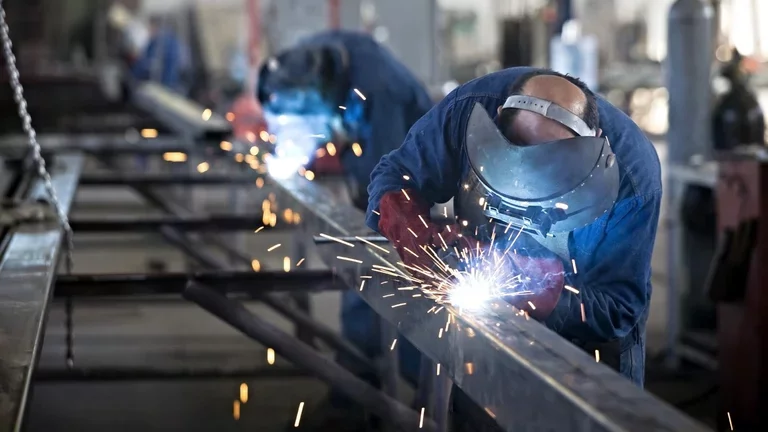
Outdated or poorly maintained machines are a common source of bottlenecks. Investing in modern equipment—such as high-speed laser cutters, automated welding systems, or advanced CNC machines—can dramatically increase throughput. Regular preventive maintenance also ensures that critical assets remain reliable and efficient.
3. Standardize and Optimize Processes
Variability in how tasks are performed can create inconsistencies and slowdowns. Develop standard operating procedures (SOPs) for key operations such as cutting, bending, and assembly. Regularly review and update these procedures to reflect best practices and new technologies.
Lean manufacturing principles, such as 5S and continuous improvement (Kaizen), help maintain organized workspaces and encourage employees to identify and eliminate waste.
4. Cross-Train Employees
Workforce flexibility is essential for managing bottlenecks, especially during peak demand or staff shortages. Cross-training operators to handle multiple machines or tasks allows you to reallocate labor as needed and keep production moving smoothly.
Regular training sessions on new equipment and safety protocols also reduce errors and downtime.
5. Monitor Performance with Data
Implement real-time monitoring systems to track key performance indicators (KPIs) such as machine utilization, cycle times, and defect rates. Data-driven decision-making enables managers to quickly identify emerging bottlenecks and take corrective action.
Integrating digital tools and manufacturing execution systems (MES) can automate data collection and provide actionable insights for continuous improvement.
Case Example: Streamlining Sheet Metal Cutting
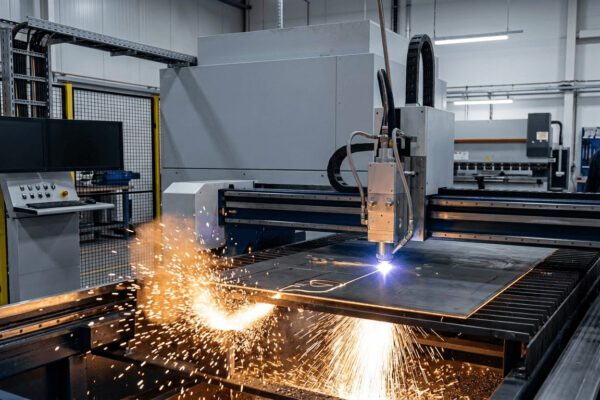
One common bottleneck in metal fabrication is the sheet metal cutting process. Factors such as slow manual setups, tool wear, or inconsistent material thickness can all contribute to delays. Upgrading to automated laser cutting systems, optimizing nesting software, and maintaining sharp tooling can significantly reduce cycle times and improve part quality.
For more on sustainable practices and reducing waste in metal processing, see this comprehensive guide to minimizing waste in industrial scrap metal processing.
Continuous Improvement and Waste Reduction
Reducing bottlenecks is not a one-time project but an ongoing effort. Regular audits, employee feedback, and performance reviews are essential for sustaining progress. Adopting supplier waste reduction programs can also help ensure that incoming materials meet quality standards and arrive on time, further minimizing delays. Explore more about supplier waste reduction programs metals for actionable ideas on better sourcing and inventory management.
Additionally, aligning with industry standards such as ISO 14001 in metal manufacturing can support environmental goals and process optimization, leading to fewer bottlenecks and more sustainable operations.
FAQ: Bottleneck Reduction in Metal Manufacturing
What are the most common causes of bottlenecks in metal production?
The most frequent causes include outdated or under-maintained equipment, inefficient workflows, lack of skilled labor, and inconsistent material supply. Identifying the root cause is essential for implementing effective solutions.
How can digital tools help reduce bottlenecks?
Digital tools such as manufacturing execution systems (MES), real-time monitoring, and process simulation software provide valuable data on machine performance, cycle times, and inventory levels. These insights enable proactive management and faster response to emerging constraints.
What role does employee training play in bottleneck reduction?
Well-trained employees can operate multiple machines, adapt to new technologies, and follow standardized procedures. Cross-training and ongoing education help maintain flexibility and reduce the risk of slowdowns caused by staff shortages or skill gaps.
Conclusion
Addressing bottlenecks in metal manufacturing is vital for maintaining efficiency, reducing costs, and meeting customer expectations. By analyzing workflows, investing in advanced equipment, standardizing processes, and fostering a culture of continuous improvement, factories can achieve significant gains in productivity. For further reading on recycling and sustainability, check out the article on innovations in metal recycling technology and end of life metal recycling strategies for manufacturers.