
As industries strive for greater sustainability, low impact metal fabrication has become a priority for manufacturers, builders, and engineers. This approach focuses on reducing environmental harm, conserving resources, and improving workplace safety, all while maintaining the quality and precision required in metalworking. By adopting innovative techniques and responsible practices, companies can minimize waste, lower emissions, and create products that align with modern environmental standards.
Whether you’re a facility manager, a design engineer, or a procurement specialist, understanding the latest advances in sustainable fabrication can help you make informed decisions. For those working with coated steels, it’s also important to review best practices for stamping coated steels to further reduce material loss and surface damage.
Principles of Sustainable Metalworking
The foundation of environmentally conscious fabrication lies in reducing the ecological footprint at every stage of the process. This includes careful material selection, efficient energy use, and the adoption of clean technologies. By focusing on these core principles, manufacturers can achieve both operational efficiency and environmental responsibility.
- Resource Efficiency: Using materials wisely, optimizing cutting patterns, and recycling scrap metal wherever possible.
- Energy Conservation: Implementing energy-efficient machinery and processes to lower overall consumption.
- Emission Reduction: Minimizing air, water, and soil pollution through advanced filtration, closed-loop systems, and cleaner fuels.
- Worker Safety: Providing safer environments by reducing exposure to hazardous substances and noise.
Material Selection and Inspection for Low Impact Fabrication
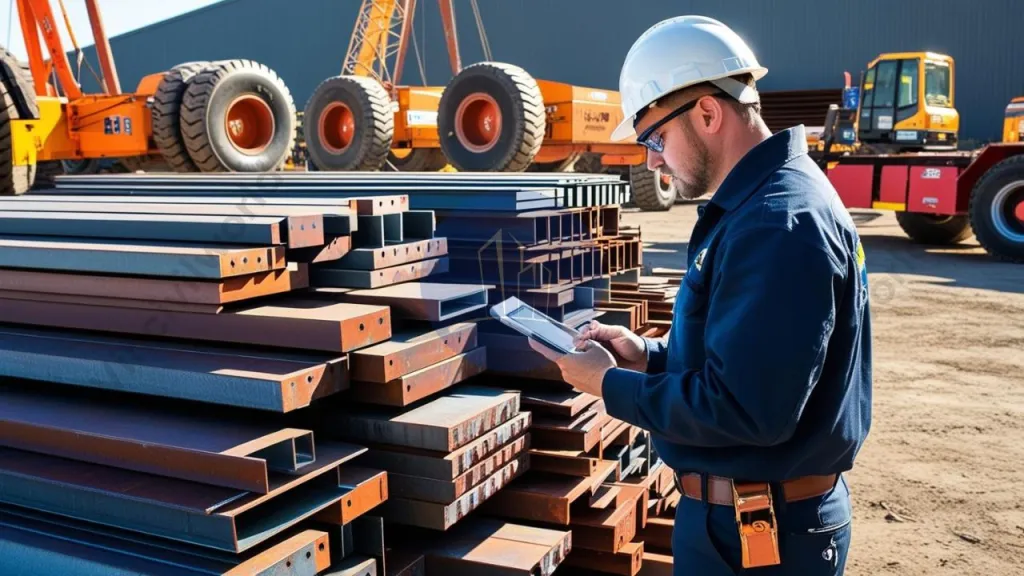
Choosing the right materials is a critical step in achieving sustainable results. Recycled metals, certified sustainable alloys, and locally sourced materials can significantly reduce the environmental burden. In addition, thorough inspection and quality control help ensure that materials are used efficiently, minimizing waste and rework.
For those interested in optimizing the quality of stamped steel edges, reviewing resources like steel stamping edge quality optimization can further enhance material efficiency and reduce unnecessary waste.
Energy-Efficient Techniques in Modern Metalworking
Reducing energy consumption is a key aspect of low impact metal fabrication. Advances in automation, laser cutting, and CNC machinery have made it possible to achieve precise results with less energy. These technologies not only lower operational costs but also help decrease greenhouse gas emissions.
- Laser and Plasma Cutting: These methods offer high precision and minimal waste, reducing the need for secondary processing.
- CNC Machining: Computer-controlled equipment optimizes tool paths, saving both time and energy.
- Energy Recovery Systems: Some modern plants capture and reuse heat generated during fabrication, further lowering energy use.
Waste Reduction and Recycling Strategies
Minimizing waste is central to sustainable manufacturing. By designing for manufacturability and recycling offcuts, companies can significantly reduce landfill contributions. Closed-loop recycling systems, where scrap is collected and reprocessed on-site, are increasingly common in progressive facilities.
- Lean Manufacturing: Adopting lean principles helps identify and eliminate sources of waste throughout the production process.
- Material Tracking: Advanced software can monitor material usage and scrap rates, enabling continuous improvement.
- On-Site Recycling: Integrating shredders and compactors allows for immediate recycling of metal waste.
Innovative Forming and Joining Methods
The way metals are formed and joined can have a significant impact on sustainability. Techniques that require less heat or pressure, or that use environmentally friendly consumables, are gaining popularity. For example, cold forming and friction stir welding produce fewer emissions and reduce energy requirements compared to traditional methods.
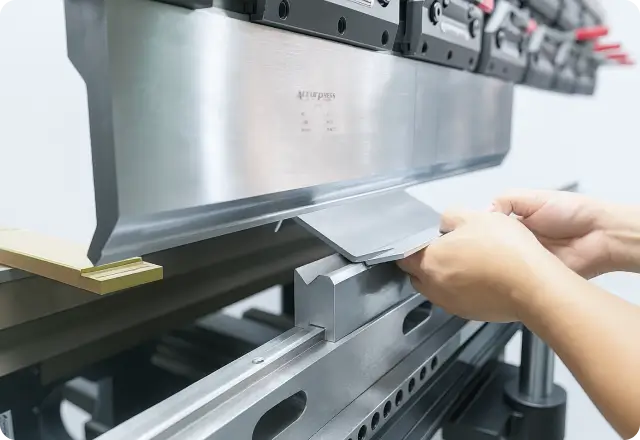
- Cold Forming: Shaping metal at room temperature reduces energy use and maintains material strength.
- Laser Welding: Offers precise, low-energy joints with minimal distortion and waste.
- Friction Stir Welding: A solid-state joining process that eliminates the need for filler materials and reduces emissions.
Reducing Environmental Impact in Secondary Operations
Secondary operations like finishing, coating, and assembly can also be optimized for sustainability. Using water-based paints, powder coatings, and environmentally friendly lubricants helps reduce the release of volatile organic compounds (VOCs) and other pollutants. For further insights on secondary processes, refer to steel stamping secondary operation considerations.
Health, Safety, and Compliance in Sustainable Fabrication
A commitment to low environmental impact goes hand-in-hand with workplace safety and regulatory compliance. Reducing exposure to hazardous substances, improving ventilation, and providing proper training are essential steps. For guidance on maintaining a safe workplace, see how to train operators for steel stamping safety.
Managing Lubrication and Runoff Responsibly
Lubricants are often necessary in metalworking, but improper handling can lead to environmental contamination. Using biodegradable lubricants and implementing runoff management systems can greatly reduce risks. Facilities looking to improve their runoff practices can benefit from reviewing how to manage lubrication runoff in stamping.
Industry Trends and Future Directions
The push for greener manufacturing is driving innovation across the metalworking sector. Digitalization, data analytics, and the use of renewable energy sources are shaping the factories of tomorrow. Companies are also collaborating with suppliers and customers to create closed-loop supply chains, further reducing overall impact.
For a broader perspective on how sustainable practices are transforming the industry, explore this overview of sustainable construction and fabrication from industry experts.
Frequently Asked Questions
What are the main benefits of adopting low impact metal fabrication?
The primary advantages include reduced environmental harm, lower energy costs, improved material efficiency, and enhanced workplace safety. These methods also help companies meet regulatory requirements and appeal to environmentally conscious clients.
Which fabrication techniques are considered most sustainable?
Techniques such as laser cutting, cold forming, CNC machining, and friction stir welding are recognized for their efficiency and minimal waste. Using recycled materials and closed-loop recycling systems further enhances sustainability.
How can manufacturers ensure compliance with environmental standards?
Regular audits, employee training, and the adoption of best practices for waste management and emissions control are essential. Staying informed about evolving regulations and investing in cleaner technologies also supports compliance efforts.