
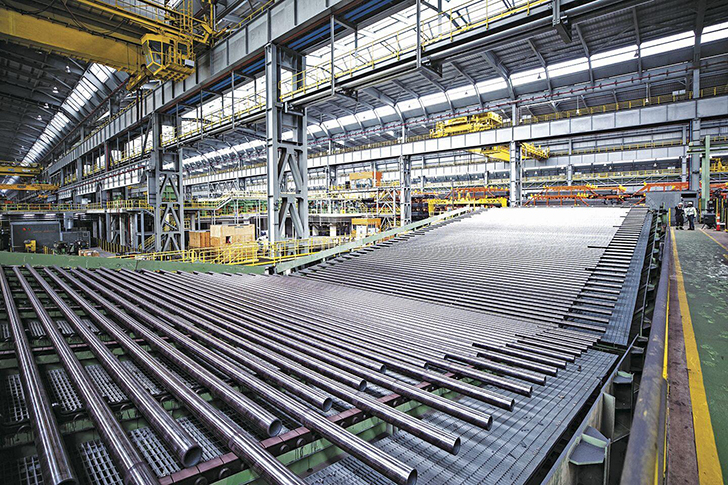
As the manufacturing sector evolves, the intersection of logistics optimization metal fabrication and sustainability has become a critical focus for companies aiming to stay competitive and environmentally responsible. Efficient supply chains, reduced waste, and streamlined processes are no longer just cost-saving measures—they are essential for meeting regulatory requirements and customer expectations around sustainability. This article explores how optimizing logistics in metal fabrication can drive both operational efficiency and eco-friendly outcomes, offering practical insights for industry professionals.
For those interested in related process improvements, understanding how to optimize scrap chute angles can further enhance material handling and waste reduction in steel stamping operations.
Understanding the Role of Logistics in Metal Fabrication
Logistics in metal fabrication encompasses the planning, implementation, and control of the movement and storage of raw materials, components, and finished products. Effective logistics management ensures that materials arrive on time, production schedules are met, and finished goods are delivered efficiently to customers. When logistics are optimized, companies can minimize delays, reduce inventory costs, and improve overall productivity.
In the context of sustainability, logistics optimization also means reducing unnecessary transportation, minimizing energy consumption, and cutting down on packaging waste. These efforts contribute to a smaller carbon footprint and align with broader environmental goals.
Key Strategies for Enhancing Efficiency and Sustainability
Adopting a holistic approach to logistics optimization in metal fabrication involves several interconnected strategies. Below are some of the most effective methods used by leading manufacturers:
- Lean Manufacturing Principles: Implementing lean practices helps eliminate waste, streamline workflows, and improve resource utilization. This approach not only boosts efficiency but also supports sustainability by reducing excess material use and energy consumption.
- Advanced Inventory Management: Utilizing just-in-time (JIT) inventory systems ensures materials are available when needed, reducing the need for large stockpiles and minimizing the risk of obsolete inventory. This leads to less waste and lower storage costs.
- Digital Supply Chain Solutions: Integrating digital tools such as real-time tracking, automated scheduling, and predictive analytics allows for better visibility and control over the supply chain. These technologies support proactive decision-making and help identify opportunities for further optimization.
- Route and Load Optimization: Optimizing transportation routes and load planning reduces fuel consumption, lowers emissions, and ensures timely deliveries. Companies can leverage software solutions to model and select the most efficient logistics scenarios.
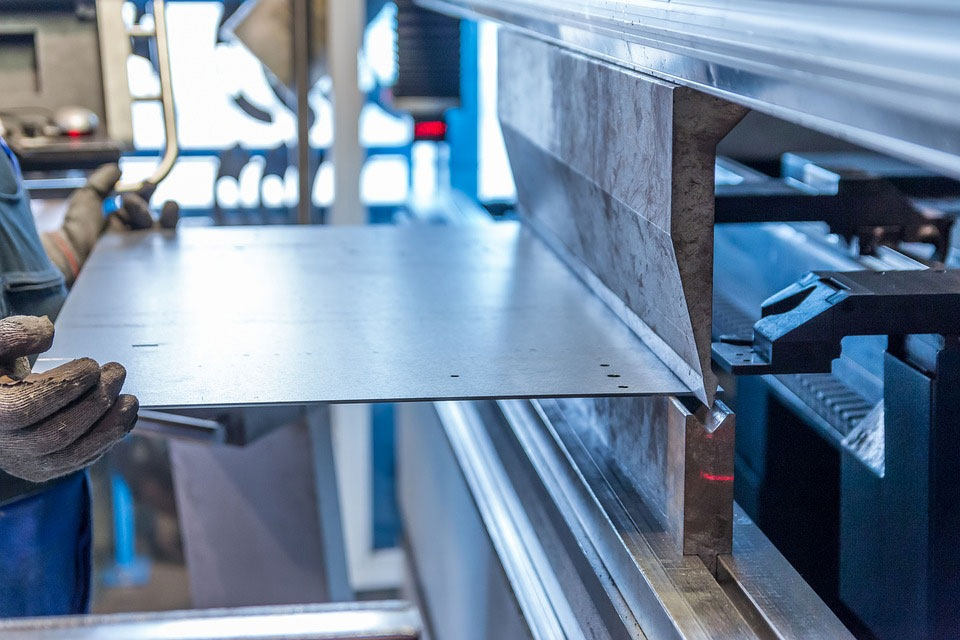
Sustainable Materials Management in Fabrication
Material selection and usage play a significant role in both logistics and sustainability. By choosing recycled or responsibly sourced metals, manufacturers can reduce their environmental impact. Additionally, optimizing material flow within the facility—such as through efficient scrap management and recycling programs—further enhances sustainability efforts.
For example, integrating automated scrap handling systems can minimize manual labor, reduce safety risks, and ensure that valuable materials are recovered and reused. This not only supports environmental goals but also contributes to cost savings.
Those looking to deepen their understanding of material properties and their impact on fabrication efficiency can refer to resources on steel stamping material yield strength considerations for more technical insights.
Technology’s Impact on Logistics Optimization in Metal Fabrication
Recent advancements in technology have transformed how metal fabrication companies approach logistics. Automation, data analytics, and IoT-enabled devices provide real-time information on inventory levels, machine performance, and delivery status. This data-driven approach enables manufacturers to anticipate disruptions, adjust schedules dynamically, and maintain optimal production flow.
For instance, predictive maintenance powered by IoT sensors can reduce unplanned downtime, while automated guided vehicles (AGVs) streamline material movement within the plant. These innovations not only improve efficiency but also reduce energy consumption and support a safer working environment.
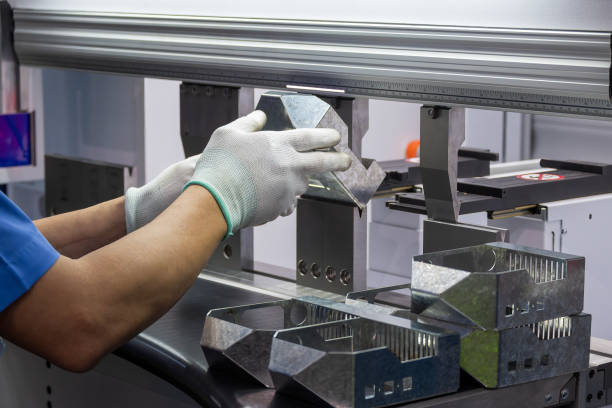
Benefits of Sustainable Logistics Optimization for Metal Fabricators
Integrating sustainability into logistics optimization delivers a range of tangible benefits for metal fabrication businesses:
- Cost Reduction: Streamlined logistics reduce transportation and storage expenses, while waste minimization lowers material costs.
- Regulatory Compliance: Meeting environmental standards and regulations is easier with efficient, sustainable logistics practices.
- Enhanced Reputation: Companies that demonstrate a commitment to sustainability are more attractive to customers, investors, and partners.
- Operational Resilience: Optimized logistics improve supply chain agility, helping businesses adapt to market changes and disruptions.
- Environmental Stewardship: Reduced emissions, energy use, and waste contribute to a healthier planet and support corporate social responsibility goals.
For a comprehensive overview of sustainable practices in this sector, the comprehensive guide to sustainable metal fabrication solutions offers valuable perspectives and actionable recommendations.
Challenges and Solutions in Implementing Green Logistics
While the advantages of optimizing logistics for sustainability are clear, implementation can present challenges. Common obstacles include resistance to change, upfront investment in new technologies, and the complexity of integrating digital systems with legacy processes.
To overcome these hurdles, companies should:
- Engage stakeholders early and provide training to ensure buy-in across all levels of the organization.
- Start with pilot projects to demonstrate the value of new technologies and processes before scaling up.
- Collaborate with suppliers and logistics partners to align sustainability goals and share best practices.
- Continuously monitor performance metrics and adjust strategies as needed to drive ongoing improvement.
Integrating Logistics Optimization with Broader Manufacturing Initiatives
Optimizing logistics should not be viewed in isolation. It is most effective when integrated with other manufacturing initiatives such as quality control, lean production, and digital transformation. For example, adopting best practices for stamping coated steels can complement logistics improvements by reducing rework and material waste.
Similarly, understanding the importance of material grain size in steel stamping quality can inform purchasing and inventory decisions, further enhancing overall efficiency and sustainability.
Future Trends in Sustainable Metal Fabrication Logistics
The future of logistics in metal fabrication is closely tied to ongoing advancements in automation, artificial intelligence, and green technologies. As regulatory pressures increase and customers demand greater transparency, companies will need to invest in solutions that provide end-to-end visibility and traceability throughout the supply chain.
Emerging trends include the use of blockchain for secure, transparent record-keeping, the adoption of electric vehicles for material transport, and the integration of renewable energy sources into manufacturing operations. These innovations promise to further reduce the environmental impact of metal fabrication while supporting business growth and resilience.
FAQ: Logistics, Sustainability, and Metal Fabrication
What are the main benefits of optimizing logistics in metal fabrication?
Key benefits include reduced operational costs, improved delivery reliability, lower environmental impact, and enhanced compliance with industry regulations. Efficient logistics also support better resource utilization and waste reduction.
How does logistics optimization contribute to sustainability in metal fabrication?
By streamlining transportation, minimizing material waste, and adopting energy-efficient processes, logistics optimization helps reduce emissions and resource consumption. This supports both environmental goals and long-term business viability.
What technologies are driving sustainable logistics in metal fabrication?
Technologies such as IoT sensors, predictive analytics, automated material handling, and digital supply chain platforms are enabling real-time data collection and smarter decision-making. These tools help manufacturers identify inefficiencies and implement greener, more effective logistics strategies.