
Continuous improvement is a core principle for modern metal fabrication and processing facilities seeking to remain competitive and sustainable. Kaizen in metal manufacturing waste reduction refers to the application of incremental, ongoing improvements to minimize waste, boost efficiency, and enhance product quality. By embedding Kaizen principles into daily operations, manufacturers can systematically identify and eliminate sources of waste, reduce costs, and support environmental goals.
In this article, we’ll explore how Kaizen methodologies are transforming waste management in the metal industry. We’ll cover practical tools, real-world strategies, and the benefits of a culture focused on continuous improvement. For those interested in broader trends, you can also learn about future of sustainable metal manufacturing and how these approaches are shaping the industry.

The Foundations of Kaizen for Waste Reduction
Kaizen, a Japanese term meaning “change for better,” is built on the idea that small, consistent improvements can lead to significant long-term gains. In metal manufacturing, this philosophy targets the reduction of the seven classic wastes (muda): overproduction, waiting, transport, extra processing, inventory, motion, and defects. By focusing on these areas, teams can uncover inefficiencies that may otherwise go unnoticed.
Implementing Kaizen in a metal shop or foundry typically involves:
- Encouraging all employees to suggest improvements
- Using data-driven analysis to identify waste sources
- Standardizing successful changes for lasting impact
- Regularly reviewing processes to sustain progress
This approach not only cuts down on material waste but also improves workflow, safety, and employee morale.
Key Tools and Techniques for Lean Metal Manufacturing
Several proven tools support kaizen in metal manufacturing waste reduction efforts. Some of the most effective include:
- 5S System: Sort, Set in order, Shine, Standardize, and Sustain. This method organizes the workspace to reduce clutter, minimize errors, and streamline operations.
- Value Stream Mapping: Visualizing the flow of materials and information helps teams pinpoint bottlenecks and unnecessary steps. For a deeper dive, see our value stream mapping metals industry guide.
- Poka-Yoke (Error Proofing): Simple devices or procedures that prevent mistakes and reduce scrap rates.
- Standard Work: Documenting best practices ensures consistency and makes it easier to spot deviations that cause waste.
- Just-In-Time (JIT): Producing only what is needed, when it is needed, to minimize inventory and reduce storage waste.
Combining these tools with Kaizen events—focused, short-term improvement projects—can yield rapid results and foster a culture of ongoing innovation.
Practical Examples of Waste Reduction in Metal Shops
Applying Kaizen in the metal sector can take many forms, from simple process tweaks to major workflow redesigns. Here are some practical examples:
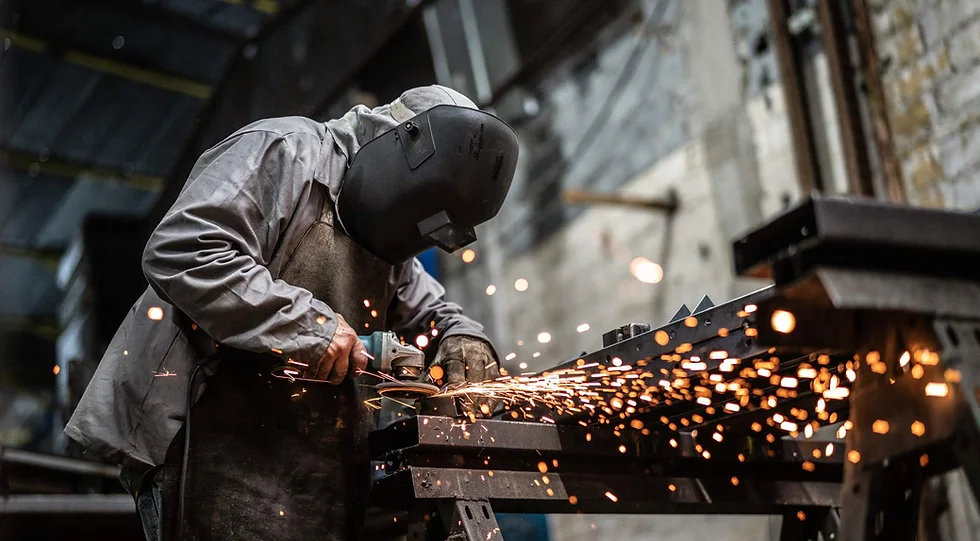
- Material Utilization: By analyzing cutting patterns and nesting layouts, shops can reduce scrap rates and make better use of raw materials.
- Setup Time Reduction: Streamlining machine changeovers with standardized procedures and quick-change tooling minimizes downtime and increases throughput.
- Defect Prevention: Implementing error-proofing devices and real-time quality checks reduces the incidence of rework and scrap.
- Inventory Optimization: Adopting just-in-time delivery and kanban systems keeps inventory lean and reduces the risk of obsolete stock.
For more on supplier-driven initiatives, explore our article on supplier waste reduction programs metals to see how collaboration across the supply chain can amplify results.
Benefits of a Continuous Improvement Culture
Embracing Kaizen delivers both immediate and long-term advantages for metal manufacturers. Some of the most notable benefits include:
- Cost Savings: Reducing waste directly lowers material and disposal costs, while improved efficiency cuts labor and energy expenses.
- Higher Quality: Consistent processes and error-proofing lead to fewer defects and improved customer satisfaction.
- Employee Engagement: Involving staff in improvement efforts fosters a sense of ownership and pride, leading to higher morale and retention.
- Environmental Impact: Less waste means fewer resources consumed and less landfill contribution, supporting sustainability goals. For more on eco-friendly trends, see our overview of innovations in metal recycling technology.
These benefits compound over time, making Kaizen a strategic investment for any metalworking business committed to operational excellence.
Challenges and How to Overcome Them
While the benefits are clear, implementing Kaizen-based waste reduction in metal manufacturing does come with challenges. Common obstacles include:
- Resistance to Change: Employees may be skeptical of new processes or fear job loss. Open communication and involving staff in decision-making can help ease transitions.
- Lack of Training: Without proper education on Kaizen tools and principles, improvement efforts may stall. Ongoing training and mentorship are essential.
- Short-Term Focus: Some organizations expect immediate results and may abandon initiatives too soon. Setting realistic goals and tracking progress helps maintain momentum.
- Resource Constraints: Smaller shops may lack dedicated improvement teams. Leveraging cross-functional groups and starting with small-scale projects can still yield significant gains.
For a comprehensive overview of waste management fundamentals, check out this guide to understanding waste management for additional context and best practices.
Integrating Technology and Data for Smarter Waste Reduction
Modern metalworking operations are increasingly turning to digital tools to support their Kaizen journeys. Technologies such as real-time production monitoring, automated data collection, and advanced analytics make it easier to spot inefficiencies and measure the impact of changes.
For example, integrating sensors on cutting and forming equipment can provide instant feedback on material usage, machine performance, and defect rates. This data-driven approach enables teams to make informed decisions and sustain improvements over time. Additionally, energy-saving measures like waste heat recovery in steel plants can further reduce environmental impact and operational costs.
Frequently Asked Questions
What are the main wastes targeted by Kaizen in metal manufacturing?
Kaizen initiatives in metal shops focus on reducing overproduction, waiting, unnecessary transport, extra processing, excess inventory, unnecessary motion, and defects. Addressing these areas helps streamline production and minimize resource use.
How can small metal fabrication businesses start with Kaizen?
Small shops can begin by implementing the 5S system to organize their workspace and encourage employees to suggest simple improvements. Starting with manageable projects and celebrating early wins helps build momentum for larger changes.
What role does employee involvement play in continuous improvement?
Employee participation is crucial for successful Kaizen programs. Workers on the shop floor often have the best insights into inefficiencies and practical solutions. Involving them in problem-solving fosters engagement and drives lasting results.
Conclusion
Adopting Kaizen principles for waste reduction in metal manufacturing delivers measurable benefits in efficiency, cost savings, and sustainability. By combining proven lean tools, fostering a culture of continuous improvement, and leveraging technology, metalworking businesses can stay ahead in a competitive market while reducing their environmental footprint. Whether you’re just starting or looking to deepen your improvement efforts, the Kaizen approach offers a practical roadmap for ongoing success.