
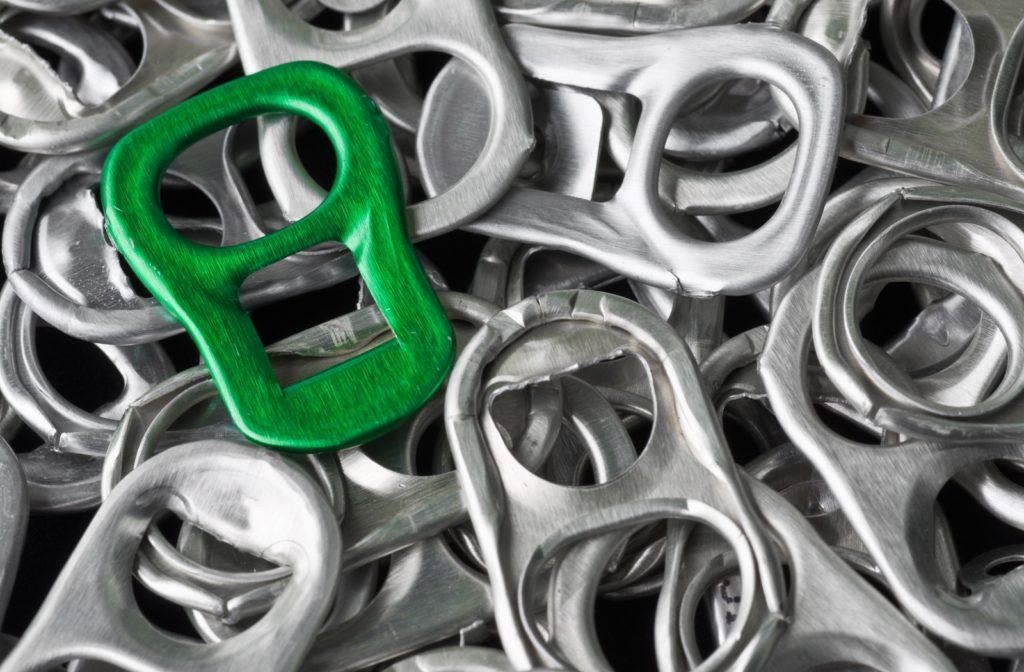
The shift toward sustainability has led many industries to embrace recycled metals as a core part of their manufacturing processes. By integrating reclaimed materials, companies are reducing environmental impact, managing costs, and meeting regulatory demands. This article explores a range of industrial case studies on recycled metal utilization, highlighting real-world examples, benefits, and challenges faced by different sectors.
As more manufacturers seek to optimize their operations, understanding the practical implications of using recycled metals becomes crucial. From automotive to construction, the adoption of these materials is reshaping supply chains and product design. For those interested in improving production quality, related topics such as steel stamping edge quality optimization can further enhance outcomes when working with recycled inputs.
Why Industries Are Turning to Recycled Metal
The adoption of recycled metals is driven by several factors. Environmental regulations are tightening worldwide, pushing companies to reduce carbon footprints and waste. At the same time, the cost of virgin materials continues to rise, making recycled options more attractive from a financial perspective. Additionally, consumer demand for sustainable products is influencing procurement and production strategies.
Recycled metals offer comparable performance to new materials in many applications. For example, recycled steel and aluminum maintain their structural integrity, making them suitable for demanding uses. By incorporating these materials, manufacturers can achieve both sustainability and reliability.
Automotive Sector: Leading the Way in Metal Recycling
The automotive industry is a pioneer in the use of recycled metals. Automakers have long relied on scrap steel and aluminum to produce new vehicles, reducing both costs and environmental impact. In recent years, the percentage of recycled content in car bodies and components has steadily increased.
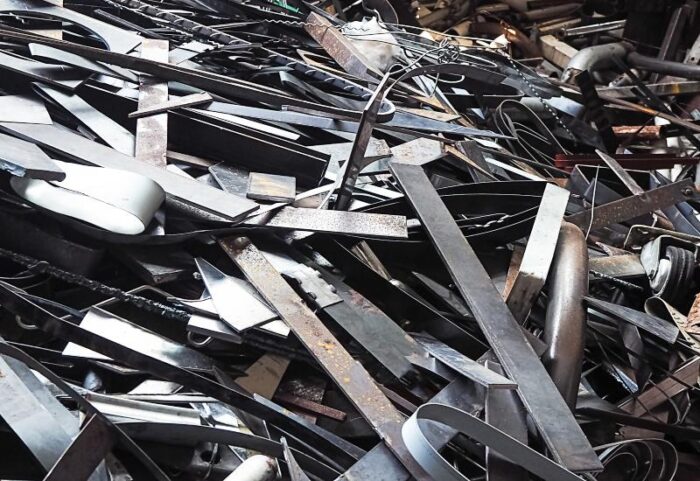
One notable example is the use of recycled aluminum in engine blocks and body panels. Major manufacturers have established closed-loop recycling systems, where scrap generated during production is collected, melted, and reused. This approach not only conserves resources but also reduces the energy required for manufacturing.
In addition to environmental benefits, using recycled metals helps automakers comply with international sustainability standards. Many companies now publish annual reports detailing the percentage of recycled content in their vehicles, reflecting a commitment to transparency and continuous improvement.
Construction and Infrastructure: Building with Reclaimed Metals
The construction industry is another major consumer of recycled metals. Structural steel, rebar, and aluminum components are often sourced from scrap, providing strength and durability for new buildings and infrastructure projects. Using recycled materials in construction not only conserves natural resources but also diverts waste from landfills.
Large-scale projects, such as bridges and commercial buildings, frequently specify recycled content in their procurement guidelines. This trend is supported by green building certifications, which reward the use of sustainable materials. For contractors and developers, integrating recycled metals can lead to cost savings and improved project sustainability ratings.
Manufacturing: Integrating Scrap Metal into Production Lines
Beyond automotive and construction, a wide range of manufacturers are incorporating recycled metals into their processes. Electronics, appliances, and machinery producers utilize reclaimed copper, steel, and aluminum to meet both economic and environmental goals. The flexibility of recycled metals allows for adaptation across diverse product lines.
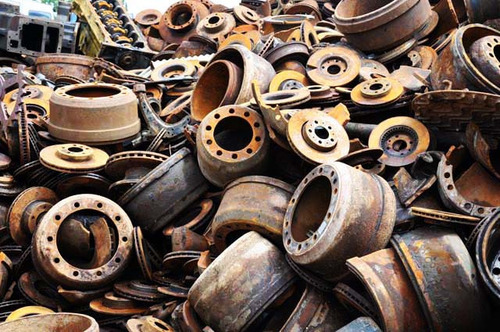
For example, appliance manufacturers often use recycled steel for casings and internal frames. This not only reduces raw material costs but also supports circular economy initiatives. Electronics companies are increasingly recovering precious metals from end-of-life products, closing the loop and minimizing waste.
Manufacturers aiming to optimize their processes may also benefit from exploring best practices for stamping coated steels, which can be particularly relevant when working with recycled or coated materials.
Challenges and Solutions in Using Recycled Metals
While the benefits are clear, there are challenges associated with integrating recycled metals into industrial processes. Variability in material quality, contamination, and supply chain complexities can pose obstacles. Ensuring consistent properties in recycled inputs requires careful sorting, cleaning, and testing.
Many companies address these issues by partnering with specialized recyclers and investing in advanced sorting technologies. Quality control protocols are essential to maintain product standards. Additionally, industry standards and certifications help ensure that recycled materials meet the necessary specifications for safety and performance.
Environmental and Economic Impact of Recycled Metal Adoption
The environmental advantages of using recycled metals are significant. Producing steel or aluminum from scrap requires far less energy than processing raw ore, resulting in lower greenhouse gas emissions. According to industry data, recycling aluminum saves up to 95% of the energy compared to primary production.
Economically, companies benefit from reduced material costs and potential tax incentives for sustainable practices. By embracing recycled metals, industries can enhance their reputation, attract environmentally conscious customers, and contribute to a more sustainable future.
For a comprehensive overview of the recycling process and its industrial applications, readers can consult this introduction to metal recycling, which covers the basics and emerging trends in the sector.
Case Study Highlights: Real-World Examples
- Automotive Manufacturer: A leading carmaker implemented a closed-loop aluminum recycling system, reducing production emissions by 30% and saving millions in raw material costs.
- Construction Firm: A major infrastructure project used over 80% recycled steel in bridge construction, earning LEED certification and public recognition for sustainability.
- Electronics Producer: By recovering copper and precious metals from obsolete devices, a global electronics company reduced waste and created a new revenue stream from reclaimed materials.
Integrating Recycled Metals: Best Practices and Considerations
To maximize the benefits of recycled metals, companies should establish clear sourcing criteria and maintain strong relationships with suppliers. Regular quality checks and investment in modern processing equipment can help ensure consistent material properties. For operations involving stamping or forming, reviewing steel stamping secondary operation considerations can further enhance efficiency and product quality.
Training staff on handling recycled materials and maintaining equipment is also crucial. For those managing production lines, guidance on how to train operators for steel stamping safety can support workplace safety and compliance.
Frequently Asked Questions
What are the main benefits of using recycled metals in industry?
The primary benefits include reduced environmental impact, lower energy consumption, cost savings, and compliance with sustainability regulations. Recycled metals also help conserve natural resources and support circular economy initiatives.
Are products made from recycled metals as durable as those made from new materials?
Yes, in most cases, recycled metals such as steel and aluminum retain their original properties and are suitable for demanding applications. Proper processing and quality control ensure that recycled materials meet industry standards for strength and durability.
What challenges do manufacturers face when using recycled metals?
Common challenges include variability in material quality, contamination, and supply chain management. These can be addressed through advanced sorting technologies, strict quality control, and partnerships with reputable recyclers.
How can companies ensure quality when sourcing recycled metals?
Establishing clear specifications, conducting regular material testing, and working with certified suppliers are key steps. Industry standards and certifications also help guarantee consistent quality and performance.