
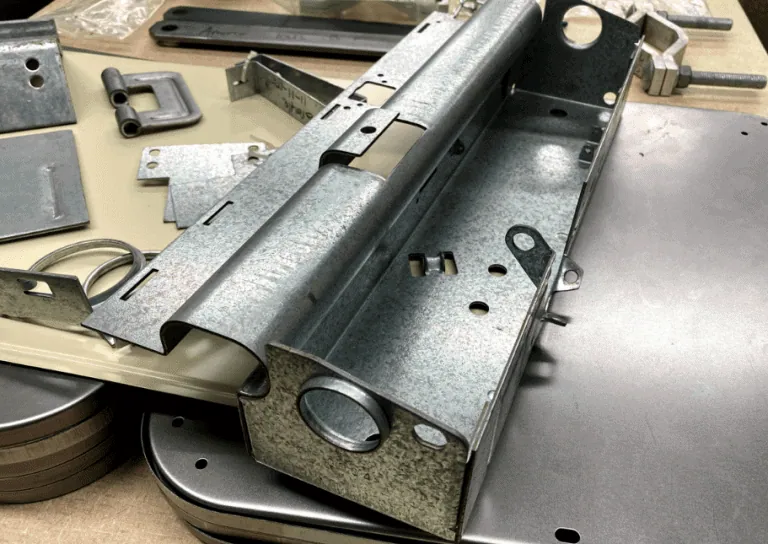
The durability and efficiency of stamping operations are closely tied to the materials used, especially when it comes to the hardness of both the workpiece and the tooling. Understanding the impact of material hardness on punch life is essential for manufacturers aiming to maximize productivity, reduce downtime, and control costs. This article explores how varying hardness levels influence punch wear, failure modes, and the strategies that can extend tool longevity in metal stamping environments.
Stamping professionals often face challenges when working with harder metals, as increased hardness can accelerate punch wear and lead to premature tool failure. By examining the relationship between material properties and punch performance, manufacturers can make informed decisions about tool selection, maintenance, and process optimization.
For those seeking to improve their overall stamping process, it’s also helpful to consider related factors such as steel stamping material yield strength considerations, which can further influence punch selection and tool life.
How Hardness Affects Punch Wear and Failure
Material hardness is a critical factor that directly influences the wear rate and lifespan of punches in stamping operations. When the workpiece material is harder, it increases the abrasive forces on the punch, leading to faster edge deterioration and, ultimately, tool failure. This is particularly pronounced in high-volume production runs or when stamping advanced high-strength steels.
- Abrasive Wear: Harder materials contain more rigid particles that can erode the punch surface during repeated contact.
- Plastic Deformation: Excessive hardness in the workpiece can cause the punch tip to deform, especially if the punch material is not sufficiently hard or tough.
- Chipping and Fracture: If the punch is too brittle, high hardness in the stamped material can cause micro-cracks, leading to chipping or catastrophic failure.
The impact of material hardness on punch life is most evident when comparing tool longevity across different grades of steel or non-ferrous alloys. For example, stamping mild steel typically results in slower punch wear compared to stamping hardened or coated steels.
Balancing Punch Material Hardness and Toughness
To counteract the effects of hard workpiece materials, punch manufacturers often use tool steels or carbide alloys with carefully controlled hardness and toughness. The goal is to achieve a balance: the punch must be hard enough to resist wear but tough enough to avoid cracking or chipping under stress.
Common punch materials include:
- High-Speed Steel (HSS): Offers a good combination of hardness and toughness for general stamping applications.
- Carbide: Extremely hard and wear-resistant, suitable for high-volume runs and very hard workpiece materials, but more brittle.
- Tool Steels (D2, A2, etc.): Popular for their wear resistance and ability to be heat treated to desired hardness levels.
Heat treatment processes are used to adjust the hardness of punches, but over-hardening can make them brittle. Manufacturers must select the right grade and hardness level based on the expected loads and the hardness of the materials being stamped.
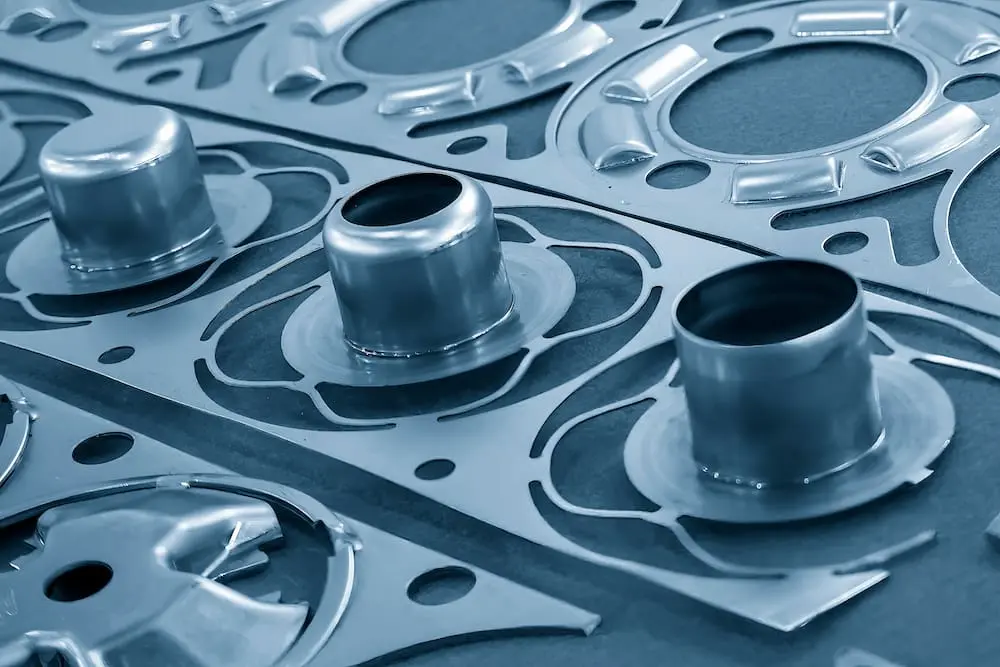
Optimizing Punch Life When Stamping Hard Materials
Extending punch life in challenging stamping environments requires a combination of smart material selection, process control, and regular maintenance. Here are several practical strategies:
- Choose the Right Punch Material: Match punch hardness to the workpiece material. For extremely hard or abrasive materials, consider carbide punches or advanced tool steels with surface treatments.
- Apply Surface Coatings: Coatings such as TiN, TiCN, or DLC can significantly reduce friction and wear, especially when stamping high-strength or coated steels.
- Maintain Proper Lubrication: Adequate lubrication minimizes heat and friction, reducing abrasive wear on the punch surface.
- Monitor and Adjust Clearances: Proper die clearance reduces the load on the punch and helps prevent premature wear or breakage.
- Regular Inspection and Regrinding: Frequent inspection allows for early detection of wear, and timely regrinding can restore punch geometry before significant damage occurs.
For more on related process improvements, see advice on how to optimize scrap chute angles for efficient scrap removal and reduced tool interference.
Common Signs of Punch Wear Due to Hardness
Recognizing early signs of punch wear is crucial for preventing unplanned downtime and maintaining part quality. When working with harder materials, watch for these indicators:
- Rounded or chipped punch edges
- Increased burr height on stamped parts
- Visible surface scratches or galling on the punch
- Frequent punch breakage or chipping
- Changes in part dimensions or fit
By monitoring these symptoms, operators can schedule maintenance before catastrophic tool failure occurs, saving both time and money.
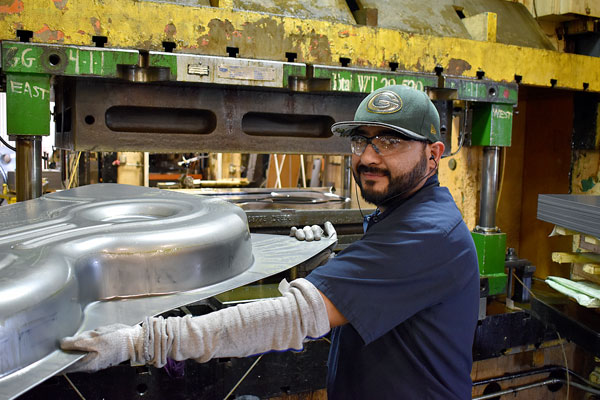
Additional Factors Influencing Punch Longevity
While the impact of material hardness on punch life is significant, several other variables also play a role in determining tool longevity:
- Material Grain Size: Finer grains in the workpiece can reduce abrasive wear. For more, see the importance of material grain size in steel stamping quality.
- Coatings and Surface Treatments: Advanced coatings can increase resistance to wear and corrosion.
- Stamping Speed and Force: Higher speeds and excessive force can increase heat and stress on the punch, accelerating wear.
- Die and Punch Alignment: Misalignment can cause uneven loading, leading to premature failure.
Implementing best practices for stamping coated steels without damage can further enhance punch life, especially when dealing with challenging materials.
Safety and Quality Considerations in Hard Material Stamping
Stamping harder materials not only affects tool life but also introduces safety and quality challenges. Increased punch wear can lead to unexpected tool breakage, posing risks to operators and equipment. Maintaining a proactive safety culture and following industry guidelines is essential. For further reading, refer to safety in the metal stamping industry for best practices and risk mitigation strategies.
Quality control is equally important. As punches wear, part tolerances may drift, leading to increased scrap rates or assembly issues. Regular inspection and process monitoring help maintain consistent output and reduce rework.
FAQ: Material Hardness and Punch Life in Stamping
What is the ideal punch hardness for stamping hard materials?
The optimal punch hardness depends on the workpiece material and production volume. Typically, punches are heat treated to a hardness of 58–64 HRC for tool steels. For extremely hard or abrasive materials, carbide punches may be used, offering even higher hardness but requiring careful handling to avoid brittleness.
How can I tell if my punch is wearing out too quickly?
Signs of rapid punch wear include increased burrs on stamped parts, visible rounding or chipping of the punch edge, and more frequent tool changes. Monitoring part quality and conducting regular punch inspections can help identify excessive wear early.
Are coatings effective for extending punch life?
Yes, applying coatings such as TiN, TiCN, or DLC can significantly reduce friction and wear, especially when stamping hard or coated materials. Coatings act as a protective barrier, improving punch performance and longevity.
Conclusion
Understanding the impact of material hardness on punch life is crucial for anyone involved in metal stamping. By selecting the right punch materials, applying protective coatings, maintaining proper lubrication, and following best practices, manufacturers can extend tool life and improve production efficiency. Regular inspection and a proactive approach to tool maintenance will help ensure consistent part quality and minimize costly downtime.