
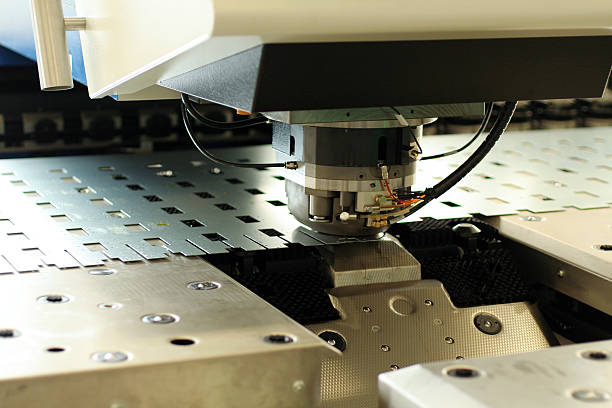
Choosing the right punch and die materials is a critical step in achieving consistent, high-quality results in steel stamping operations. The selection process impacts not only the longevity of your tooling but also the efficiency, safety, and cost-effectiveness of your manufacturing workflow. By understanding the properties of various tool steels and alloys, and considering the specific requirements of your stamping application, you can make informed decisions that reduce downtime and improve part quality.
This guide provides a practical approach to how to select punch and die materials for steel stamping. We’ll cover the most important factors, material options, and industry best practices to help you optimize your tooling investment. For those working with coated steels, it’s also valuable to review best practices for stamping coated steels to avoid unnecessary wear and damage.
Key Considerations When Choosing Tooling Materials
Before selecting a punch or die material, it’s essential to evaluate the demands of your specific stamping process. The following factors play a significant role in determining which material will offer the best performance:
- Type of Steel Being Stamped: The hardness, thickness, and coating of the steel directly influence tool wear and required toughness.
- Production Volume: High-volume runs demand materials with superior wear resistance, while short runs may allow for more economical options.
- Complexity of the Stamped Part: Intricate shapes or deep draws may require materials with enhanced toughness and ductility.
- Lubrication and Cooling: The presence or absence of lubrication affects friction and heat, impacting tool life.
- Cost Constraints: Balancing upfront tooling costs with long-term maintenance and replacement expenses is crucial.
Understanding these variables helps narrow down the best punch and die material for your application, ensuring both durability and cost-effectiveness.
Common Materials for Punches and Dies in Steel Stamping
There are several categories of materials used for punches and dies, each with distinct properties. Here are the most widely used options:
- Tool Steels (A2, D2, S7, M2): Tool steels are the industry standard for most steel stamping operations. They offer a balance of hardness, toughness, and wear resistance. For example, D2 tool steel is popular for its high wear resistance and is suitable for stamping high-strength steels, while A2 provides better toughness for applications prone to chipping.
- Carbide: Tungsten carbide punches and dies are extremely hard and wear-resistant, making them ideal for very high-volume production or abrasive materials. However, they are more brittle and expensive than tool steels.
- High-Speed Steels (M2, M4): These materials maintain hardness at elevated temperatures, which is beneficial for high-speed stamping operations where heat buildup is a concern.
- Alloy Steels: For less demanding applications or prototype tooling, alloy steels may be used. They are more affordable but offer lower wear resistance and shorter tool life.
When evaluating how to select punch and die materials, it is important to match the material’s properties to the stamping conditions and expected production volumes.

Comparing Tool Steel Grades for Different Stamping Needs
Each tool steel grade offers a unique combination of properties. Here’s a comparison of the most common grades used in steel stamping:
| Material | Hardness | Wear Resistance | Toughness | Best For |
|---|---|---|---|---|
| D2 | High | Excellent | Moderate | High-volume, abrasive steels |
| A2 | Medium | Good | High | Complex shapes, risk of chipping |
| S7 | Medium | Moderate | Very High | Shock-resistant, blanking operations |
| M2 | Very High | Excellent | Low | High-speed, heat-intensive jobs |
| Carbide | Extreme | Outstanding | Low | Ultra-high volume, abrasive materials |
Choosing the right grade depends on your production goals and the characteristics of the steel being stamped. For edge quality concerns, see steel stamping edge quality optimization for further technical guidance.
Heat Treatment and Surface Coatings
Proper heat treatment is essential to achieve the desired hardness and toughness in punches and dies. Tool steels are typically hardened and tempered to optimize performance. In addition, surface coatings such as Titanium Nitride (TiN), Titanium Carbonitride (TiCN), or Diamond-Like Carbon (DLC) can be applied to reduce friction, enhance wear resistance, and extend tool life.
When considering how to select punch and die materials, factor in whether coatings or advanced heat treatments will provide a significant return on investment for your specific operation.

Balancing Cost and Performance
While premium materials and coatings can substantially increase tooling costs, they often reduce downtime and maintenance expenses over the long term. For low-volume or prototype runs, less expensive alloy steels may suffice. However, for continuous production, investing in high-quality tool steels or carbide can lead to significant savings by minimizing tool changes and scrap rates.
It’s also important to consider secondary operations and the overall workflow. For more on optimizing your process, see steel stamping secondary operation considerations for essential tips.
Safety and Maintenance Best Practices
Proper handling, storage, and maintenance of punches and dies are essential to maximize tool life and ensure operator safety. Always follow manufacturer recommendations for cleaning, inspection, and regrinding. For a comprehensive overview of safety measures, review safety precautions when operating metal stamping machinery.
Additionally, training operators on correct setup and handling procedures is vital. Explore how to train operators for steel stamping safety for practical training strategies.
Frequently Asked Questions
What is the most durable material for steel stamping punches and dies?
Tungsten carbide is generally the most durable material, offering exceptional wear resistance and longevity. However, it is more brittle and costly than tool steels, so it is best suited for high-volume or highly abrasive applications.
How does the type of steel being stamped affect tool material selection?
The hardness, thickness, and presence of coatings on the steel directly impact tool wear and the required toughness of punches and dies. Harder or coated steels usually require tool steels with higher wear resistance, such as D2 or carbide, while softer steels may allow for more economical options.
Are surface coatings necessary for all stamping operations?
Surface coatings are not mandatory for every application, but they can significantly extend tool life and reduce friction in demanding or high-speed operations. The decision to use coatings should be based on production volume, material abrasiveness, and cost considerations.
Conclusion
Making the right choice when it comes to punch and die materials is essential for efficient, reliable steel stamping. By considering the type of steel, production volume, tool steel grades, heat treatments, and coatings, manufacturers can optimize tool life and part quality. Always weigh the initial investment against long-term performance and maintenance costs, and stay informed about best practices and safety protocols to ensure ongoing success in your stamping operations.