
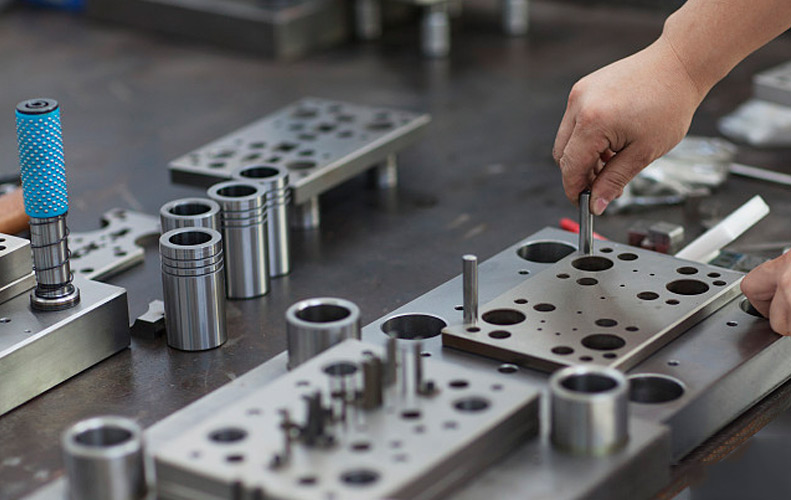
Material slippage in stamping feeders is a persistent challenge for manufacturers aiming for high precision and efficiency. When sheet metal or coil stock fails to advance consistently through the feeder, it can cause misfeeds, scrap, tool damage, and costly downtime. Understanding how to prevent material slippage in feeders is essential for maintaining quality and productivity in any stamping operation.
This guide explores the main causes of slippage, practical prevention strategies, and actionable tips for optimizing your feeder setup. Whether you’re running high-volume automotive lines or custom metal fabrication, minimizing slippage will help you achieve better part quality and reduce waste. For those interested in related process improvements, you may also want to review how to optimize scrap chute angles for steel stamping.
Understanding Material Slippage in Feeders
Slippage occurs when the material being fed into a stamping press moves unpredictably or fails to advance the intended distance. This problem can be intermittent or consistent, leading to off-spec parts, die crashes, and increased downtime. The root causes often include:
- Insufficient grip between feeder rolls and material
- Incorrect feeder settings or alignment
- Material surface conditions (oil, scale, coatings)
- Worn or damaged feeder components
- Improper tension or backpressure
Addressing these issues requires a combination of mechanical adjustments, maintenance, and process controls.
Common Causes of Slippage and Their Solutions
To effectively prevent slippage in stamping feeders, it’s important to identify the specific factors at play in your operation. Below are some of the most frequent causes and proven solutions:
1. Inadequate Feeder Roll Pressure
If the pressure applied by the feeder rolls is too low, the material may slip rather than advance consistently. Increasing roll pressure can help, but excessive force may deform or mark the material. The goal is to find the optimal pressure that ensures positive grip without causing damage.
- Check and adjust roll pressure according to material thickness and hardness
- Use manufacturer-recommended settings as a starting point
- Periodically inspect pressure regulators and actuators for wear
2. Surface Contamination and Lubrication
Oils, coolants, or surface coatings can reduce friction between the feeder rolls and the material, increasing the risk of slippage. While some lubrication is necessary for stamping, excessive or uneven application can be problematic.
- Clean material surfaces before feeding whenever possible
- Apply lubricants evenly and use only the minimum required amount
- Consider textured or knurled feeder rolls for oily materials
3. Worn or Damaged Feeder Components
Feeder rolls, belts, and drive mechanisms wear out over time, reducing their ability to grip and advance material. Regular maintenance is crucial to prevent unexpected slippage.
- Inspect rolls and belts for glazing, grooves, or flat spots
- Replace worn components promptly
- Lubricate moving parts according to the maintenance schedule
Optimizing Feeder Setup to Minimize Slippage
Proper setup and calibration of your feeder system are essential for reliable material advancement. Here are several steps to ensure optimal performance:
Alignment and Positioning
Misalignment between the feeder, die, and press can cause uneven pressure and inconsistent feeding. Use alignment tools and reference marks to ensure everything is square and parallel.
- Verify that the feeder is level and centered with respect to the die
- Check for any side-to-side or angular misalignment
- Adjust guides and supports to prevent lateral movement
Material Support and Back Tension
Proper support of the coil or sheet as it enters the feeder helps maintain consistent tension and prevents buckling or sagging. Adjustable back tension devices can be used to keep the material taut without overloading the feeder.
- Install support tables or rollers for long or heavy stock
- Use back tension brakes or clutches to control unwind force
- Monitor for excessive drag that could cause feeding errors
Feeder Type and Application
Different feeder designs—mechanical, pneumatic, servo-driven—offer varying levels of control and repeatability. For critical applications, servo feeders provide precise speed and position control, reducing the risk of slippage.
- Match feeder type to material and production requirements
- Upgrade to servo feeders for high-precision or high-speed lines
- Consult with equipment suppliers for application-specific recommendations
Best Practices for Preventing Slippage in Stamping Operations
In addition to equipment adjustments, adopting a few best practices can help ensure consistent material feeding:
- Train operators to recognize early signs of slippage and respond quickly
- Document feeder settings and adjustments for each job
- Perform regular preventive maintenance on feeders and related equipment
- Use high-quality, consistent material stock to minimize variability
- Monitor and record feeding accuracy as part of quality control
For operations working with coated or specialty steels, it’s also important to follow best practices for stamping coated steels to avoid surface damage and feeding issues.
Quality Control and Troubleshooting Tips
Even with careful setup, occasional slippage may still occur. Implementing robust quality control and troubleshooting procedures will help you catch and correct issues before they escalate:
- Use sensors or vision systems to verify material position after each feed
- Log and analyze misfeed incidents to identify recurring patterns
- Collaborate with toolmakers and material suppliers to resolve persistent problems
For more insights on process optimization, consider reviewing steel stamping material yield strength considerations and how they impact feeder performance.
Safety Considerations When Addressing Feeder Slippage
Making adjustments to feeders and material handling systems should always be done with safety in mind. Lock out equipment before servicing, and ensure all guards are in place after adjustments. For further reading on safe practices, see this comprehensive guide to safety in steel stamping parts production.
Frequently Asked Questions
What are the most common signs of material slippage in stamping feeders?
Typical indicators include inconsistent part lengths, visible marks or deformation on the material, frequent misfeeds, and increased scrap rates. Operators may also notice unusual noises or vibrations from the feeder.
How often should feeder rolls and components be inspected?
It’s best to inspect feeder rolls, belts, and drive mechanisms at least once per shift in high-volume operations, or during every setup change for smaller runs. Regular preventive maintenance helps catch wear before it leads to slippage.
Can upgrading to a servo feeder eliminate slippage completely?
While servo feeders offer superior control and repeatability, no system is entirely immune to slippage. Proper setup, maintenance, and material handling are still required to ensure consistent performance.
Conclusion
Reducing material slippage in stamping feeders is a multifaceted task involving equipment setup, maintenance, operator training, and process control. By understanding the causes and applying the strategies outlined here, manufacturers can achieve more reliable feeding, higher part quality, and lower production costs. For additional process improvements, explore topics like benefits of vacuum systems in steel stamping or how to optimize part ejection in stamping to further enhance your stamping operations.