
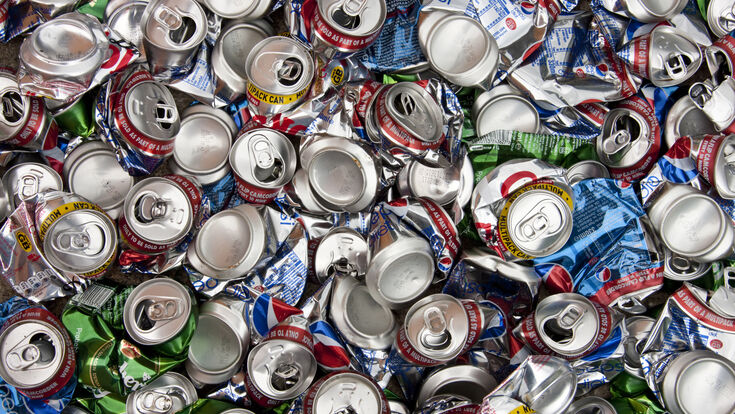
Improving recycling outcomes in industrial facilities requires more than simply collecting and processing materials. To truly optimize operations and minimize waste, it is essential to understand how to measure recycling efficiency in plants. This involves tracking key metrics, analyzing process flows, and implementing continuous improvements. By focusing on efficiency, facilities can reduce costs, increase material recovery, and support sustainability goals.
Many manufacturers and recycling operators are looking for actionable ways to evaluate their recycling lines. Whether you manage a metal, plastic, or mixed-material facility, knowing which data to collect and how to interpret it is crucial. In this article, we’ll explore the main performance indicators, calculation methods, and best practices for assessing recycling effectiveness in an industrial setting.
For those interested in optimizing other aspects of their plant operations, such as how to optimize scrap chute angles, related resources are available to help further improve overall efficiency.
Understanding Key Metrics for Recycling Performance
When evaluating recycling operations, several core metrics provide insight into process effectiveness. The most common indicators include:
- Material Recovery Rate (MRR): The percentage of recyclable material successfully separated and collected from the total input.
- Contamination Rate: The proportion of non-recyclable or incorrectly sorted material in the output stream.
- Yield: The weight of usable recycled product produced per unit of input material.
- Energy Consumption per Ton: The amount of energy required to process each ton of material, which affects both cost and environmental impact.
Tracking these metrics over time allows plant managers to identify trends, spot inefficiencies, and set realistic improvement targets. For example, a high contamination rate may indicate a need for better sorting equipment or staff training.
Calculating Material Recovery and Yield
To accurately gauge recycling efficiency in plants, it’s important to use standardized calculation methods. Here are two widely used formulas:
-
Material Recovery Rate (MRR):
MRR (%) = (Weight of Recycled Output / Weight of Input Material) × 100 -
Yield:
Yield (%) = (Weight of Usable Product / Weight of Input Material) × 100
For example, if a metal recycling plant processes 1,000 kg of scrap and recovers 850 kg of usable metal, the MRR would be 85%. Monitoring this figure helps facilities benchmark their performance against industry standards and internal goals.
Reducing Contamination and Improving Sorting
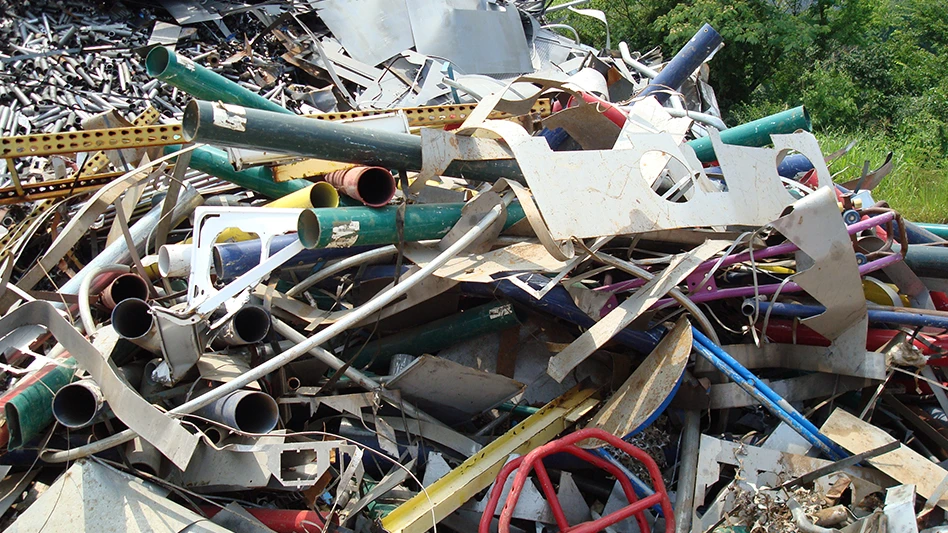
One of the biggest challenges in maximizing recycling rates is minimizing contamination. Non-recyclable materials or improperly sorted items can reduce the quality of the final product and increase processing costs. Plants can address this by:
- Implementing advanced sorting technologies such as optical sorters or eddy current separators.
- Providing ongoing training for staff on correct sorting procedures.
- Regularly auditing incoming material streams to identify sources of contamination.
Continuous monitoring and process adjustments are essential for maintaining high levels of purity and efficiency. For more on handling specific materials, see this guide to different types of metal that can be recycled.
Tracking and Analyzing Process Data
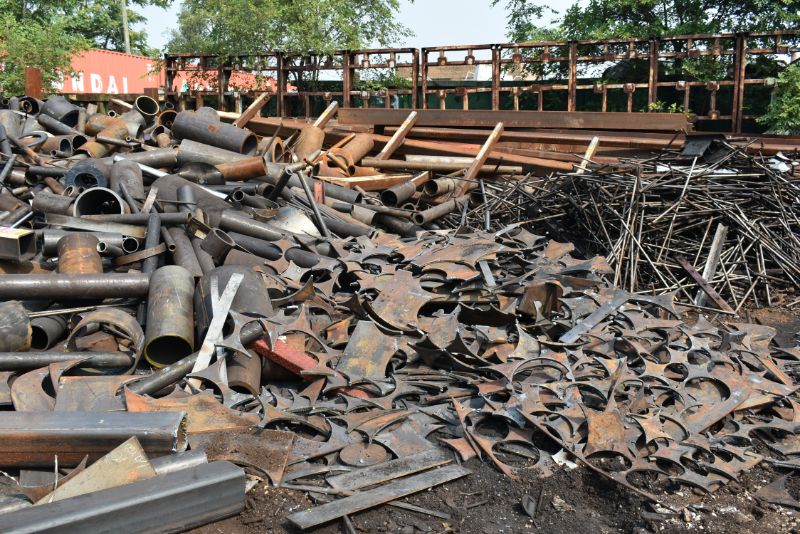
Modern recycling facilities rely on data-driven decision-making to improve efficiency. Key steps include:
- Installing sensors and automated scales to monitor input and output weights in real time.
- Using software systems to log production data, energy use, and downtime events.
- Conducting regular performance reviews to identify bottlenecks or underperforming equipment.
By integrating data collection into daily operations, plants can quickly spot deviations from expected performance and implement corrective actions. This proactive approach supports continuous improvement and helps maintain high recovery rates.
Best Practices for Enhancing Recycling Efficiency
To maximize recycling success, facilities should adopt a holistic approach that includes:
- Setting clear, measurable targets for recovery and contamination rates.
- Regularly maintaining and upgrading equipment to prevent breakdowns and inefficiencies.
- Engaging employees through training and feedback loops to encourage accountability.
- Benchmarking against industry peers to identify areas for improvement.
Incorporating these strategies helps ensure that recycling operations remain competitive and sustainable. For those working with steel, it’s also important to consider steel stamping material yield strength considerations to further optimize material flow and reduce waste.
Common Challenges and Solutions in Recycling Plants
While measuring efficiency is straightforward in theory, real-world operations often face obstacles such as:
- Fluctuating quality of incoming materials.
- Equipment malfunctions or outdated technology.
- Inconsistent data collection practices.
- Changing regulatory requirements.
To overcome these challenges, plants should prioritize preventive maintenance, invest in automation, and standardize data recording procedures. Staying informed about industry trends and regulatory updates also helps facilities adapt quickly to new demands.
FAQ
What is the most important metric for evaluating recycling efficiency?
The material recovery rate is often considered the most critical metric, as it reflects the percentage of input material that is successfully recycled into usable products. However, facilities should also monitor contamination rates and energy consumption for a complete picture.
How can plants reduce contamination in their recycling streams?
Reducing contamination involves a combination of advanced sorting technology, employee training, and regular audits of incoming materials. Upgrading equipment and refining sorting protocols can significantly lower contamination rates over time.
Why is energy consumption per ton important in recycling operations?
Tracking energy use per ton helps facilities identify inefficiencies and reduce operational costs. Lower energy consumption also supports environmental goals and can improve a plant’s overall sustainability profile.
Conclusion
Measuring and improving recycling efficiency in plants is essential for achieving operational excellence and supporting environmental objectives. By focusing on key metrics, leveraging data, and implementing best practices, facilities can maximize material recovery, minimize waste, and remain competitive in a rapidly evolving industry. For further reading on related topics, explore resources on best practices for stamping coated steels and steel stamping material grain size importance to enhance your plant’s overall performance.