
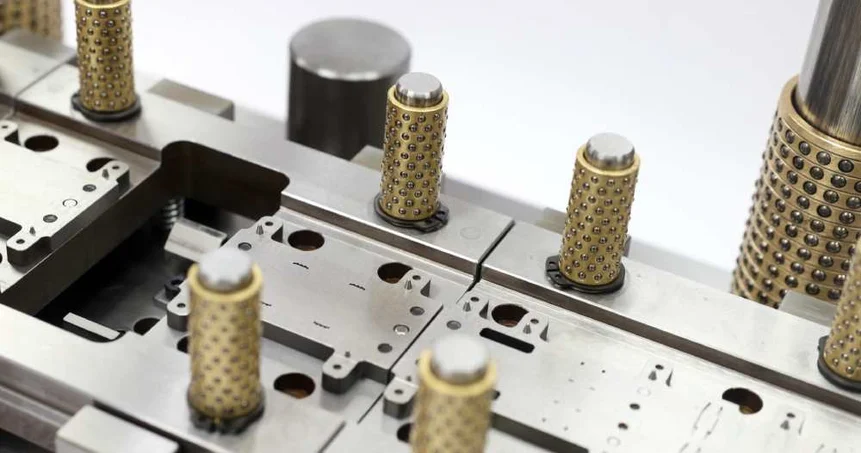
Controlling airborne particles in steel stamping environments is essential for maintaining a safe workplace, protecting equipment, and ensuring product quality. How to manage metal dust in stamping facilities is a crucial concern for operations managers, EHS professionals, and anyone involved in metal forming. Fine particles generated during stamping can pose significant health hazards, create fire risks, and lead to costly maintenance issues if not addressed properly.
This article explores effective strategies for minimizing dust exposure, highlights the importance of compliance with safety standards, and provides actionable steps for dust control. We’ll also connect you to additional resources, such as how to optimize scrap chute angles, which can further improve your facility’s safety and efficiency.
Understanding the Risks of Metal Dust in Stamping Operations
Metal stamping involves high-speed presses and dies that cut, form, or shape steel sheets. This process inevitably generates fine dust and particulates, especially when working with harder alloys or coated materials. These airborne particles can:
- Cause respiratory issues for workers if inhaled over time
- Increase the risk of fires or explosions, particularly with reactive metals
- Lead to equipment wear, electrical faults, and contamination of finished parts
- Violate OSHA and local air quality regulations if not properly controlled
Understanding these hazards is the first step toward implementing a robust dust management plan. Facilities that prioritize dust control not only safeguard their workforce but also extend the life of their machinery and maintain consistent product quality.
Key Strategies for Controlling Dust in Steel Stamping Facilities
There are several proven methods for minimizing and capturing dust in a stamping environment. The following approaches can be tailored to your facility’s specific needs:
1. Source Capture and Local Exhaust Ventilation
One of the most effective ways to address dust is to capture it at the source before it disperses. Installing local exhaust ventilation (LEV) systems near presses and die stations can significantly reduce airborne particulates. These systems use hoods, ducts, and filters to draw dust away from the work area, preventing accumulation on surfaces and in the air.
For facilities seeking advanced solutions, integrating benefits of vacuum systems in steel stamping can further enhance dust removal efficiency and reduce manual cleaning requirements.
2. Housekeeping and Regular Maintenance
Routine cleaning is essential for controlling settled dust. This includes:
- Using industrial vacuums with HEPA filters instead of sweeping, which can re-suspend dust
- Scheduling regular wipe-downs of surfaces, equipment, and floors
- Inspecting and maintaining ventilation and filtration systems to ensure optimal performance
Proper maintenance of stamping dies and presses is also critical. For more on this, see this guide to stamping die repair and maintenance basics.
3. Selecting the Right Materials and Lubricants
The choice of stamping materials and lubricants can influence dust generation. Using high-quality, properly coated steels can minimize abrasion and particle release. Additionally, selecting lubricants that reduce friction and wear helps decrease the amount of dust produced during stamping cycles. For more insights on material selection, refer to steel stamping material yield strength considerations.
4. Process Optimization and Equipment Upgrades
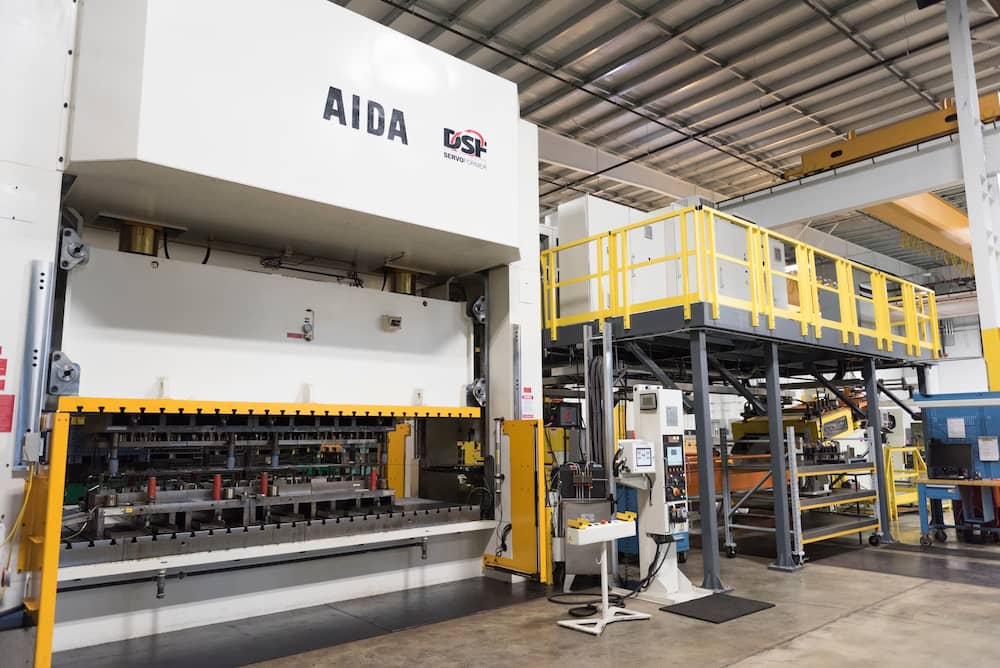
Modernizing equipment and optimizing process parameters can reduce dust at the source. Upgrading to presses with better enclosure and dust extraction features, or adjusting stroke speeds and die clearances, can make a significant difference. Facilities should also evaluate their scrap handling systems; for example, learning how to optimize part ejection in stamping can help minimize the spread of fine particles during part removal.
Personal Protective Equipment and Worker Training
Even with robust engineering controls, personal protective equipment (PPE) remains a critical line of defense. Workers should be provided with:
- Respirators or dust masks rated for fine metal particulates
- Protective eyewear and gloves
- Appropriate work clothing to prevent skin contact and contamination
Regular training ensures staff understand the risks associated with dust exposure and know how to use PPE correctly. Training should also cover emergency procedures for dust-related incidents, such as fires or accidental spills.
Compliance, Monitoring, and Continuous Improvement
Meeting regulatory requirements is non-negotiable for stamping facilities. Regular air quality monitoring, dust sampling, and documentation help demonstrate compliance with OSHA and EPA standards. Facilities should:
- Install air quality sensors in high-risk zones
- Keep detailed records of dust levels and mitigation measures
- Conduct periodic audits to identify new risks or improvement opportunities
Continuous improvement is key. Reviewing incident reports, soliciting worker feedback, and benchmarking against industry best practices—such as best practices for stamping coated steels—can help facilities stay ahead of emerging risks and maintain a safe, efficient operation.
FAQ: Managing Dust in Metal Stamping Environments
What are the main health risks of metal dust exposure in stamping facilities?
Prolonged exposure to fine metal particles can cause respiratory problems, skin irritation, and eye injuries. Some metals may also have toxic effects if inhaled or ingested. Implementing proper dust control and PPE policies is essential to protect workers.
How often should dust collection and ventilation systems be maintained?
Maintenance schedules depend on system type and facility workload, but most experts recommend inspecting filters and ducts at least monthly and performing deep cleaning or filter changes quarterly. Regular maintenance ensures systems remain effective and compliant with safety standards.
Can optimizing scrap chute angles help reduce dust generation?
Yes, improving scrap chute design and angles can minimize the impact and friction of falling scrap, which in turn reduces the amount of dust generated. For more details, see how to optimize scrap chute angles.
Are there specific regulations for metal dust in stamping operations?
Yes, OSHA and local authorities set permissible exposure limits for airborne particulates and require employers to implement controls to keep dust below these thresholds. Facilities must monitor air quality, provide PPE, and maintain records to demonstrate compliance.
By implementing these strategies and staying informed about the latest industry standards, steel stamping facilities can effectively control dust, protect their workforce, and ensure long-term operational success.