
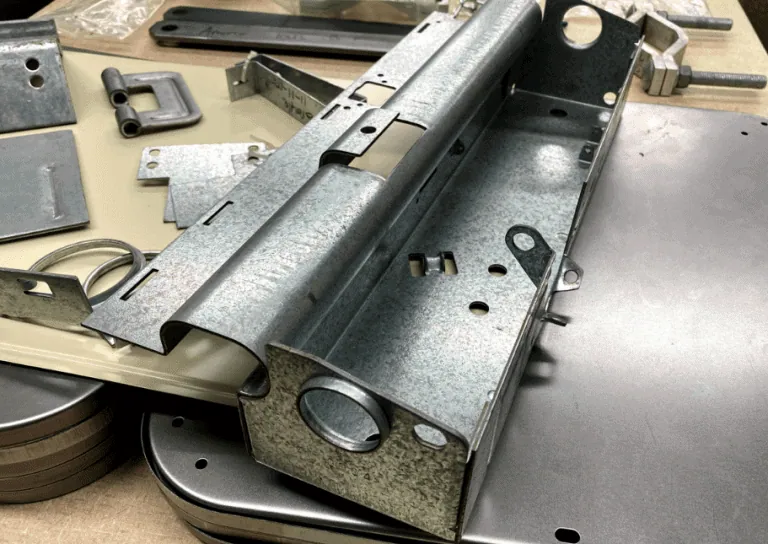
Achieving consistent part dimensions is a fundamental requirement in metal stamping operations. Whether producing automotive components, electronics enclosures, or precision brackets, dimensional accuracy directly impacts product quality, assembly fit, and downstream manufacturing efficiency. Variability in stamped part sizes can lead to costly rework, scrap, and even customer returns. This article explores the most effective strategies, process controls, and best practices for ensuring reliable part dimensions throughout the stamping process.
For those working with coated steels, understanding best practices for stamping coated steels can further enhance dimensional consistency and surface quality.
Understanding Dimensional Variation in Stamping
Before addressing how to maintain consistent part dimensions, it’s important to recognize the main causes of variation in stamped parts. These include:
- Tool wear and die clearance: Over time, tooling edges degrade and clearances increase, leading to dimensional drift.
- Material properties: Variations in sheet thickness, hardness, and grain direction can affect how the metal flows and forms.
- Press performance: Inconsistent press stroke, misalignment, or improper shut height can introduce errors.
- Lubrication and temperature: Inadequate lubrication or temperature fluctuations may alter material flow and springback.
- Operator technique: Inconsistent setup or handling can result in variable outcomes.
Identifying and controlling these sources is essential for producing parts within tight tolerances.
Tooling Maintenance and Die Management
One of the most effective ways to achieve dimensional repeatability is through rigorous tool and die maintenance. Regular inspection and upkeep of stamping dies help prevent the gradual wear that can cause parts to fall out of specification.
- Establish a preventive maintenance schedule for all tooling.
- Monitor die clearances and sharpen cutting edges as needed.
- Use precision-ground dies and punches for critical features.
- Document tool life and track dimensional trends to predict when maintenance is required.
Investing in high-quality tool steels and coatings can also extend tool life and reduce the frequency of adjustments, supporting more stable part dimensions.
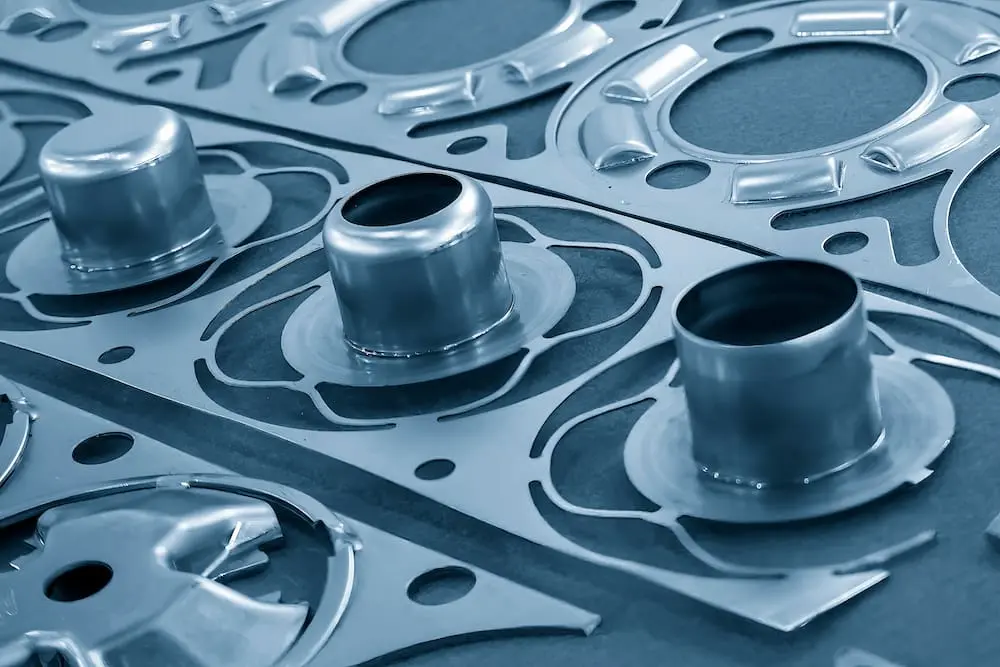
Material Selection and Control for Dimensional Stability
Material inconsistencies are a common source of dimensional variation. To minimize their impact:
- Source materials from reputable suppliers with tight thickness and property tolerances.
- Implement incoming material inspections and certification checks.
- Store materials in controlled environments to prevent warping or corrosion.
- Use blanks cut with precision methods (such as laser or waterjet) for critical parts.
For applications requiring the highest precision, consider specifying material grades and surface finishes that are less prone to deformation during stamping.
Process Controls to Ensure Consistent Results
Process control is at the heart of maintaining uniform part sizes in stamping. Key steps include:
- Standardize setup procedures: Use documented setup sheets and checklists to ensure every run starts with the same parameters.
- Monitor press parameters: Track stroke length, shut height, and press tonnage to detect deviations early.
- Use in-process inspection: Measure parts at regular intervals during production using calipers, micrometers, or coordinate measuring machines (CMMs).
- Apply Statistical Process Control (SPC): Chart key dimensions and analyze trends to catch drift before parts go out of tolerance.
- Automate where possible: Automated feed systems and sensors can reduce human error and increase repeatability.
By integrating these controls, manufacturers can quickly identify and correct sources of variation, reducing scrap and rework.
Operator Training and Best Practices
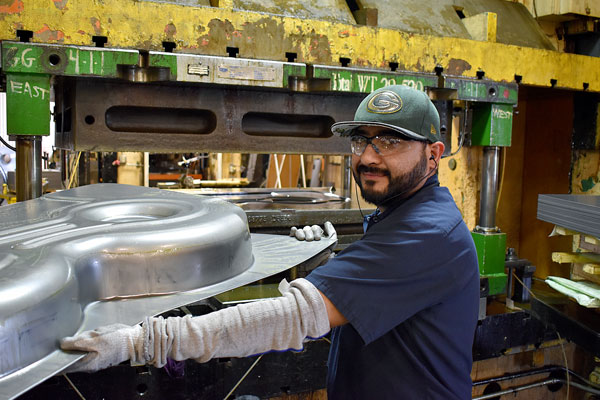
Even with advanced equipment, operator skill and attention to detail play a major role in dimensional consistency. Consider the following best practices:
- Provide thorough training on setup, inspection, and troubleshooting procedures.
- Encourage a culture of quality, where operators are empowered to stop production if issues are detected.
- Use visual aids and reference samples to help operators identify acceptable part conditions.
- Conduct regular refresher courses to keep skills sharp and reinforce standards.
For more on safety and operator performance, see how to train operators for steel stamping safety.
Advanced Techniques for Precision Stamping
For industries demanding the tightest tolerances, advanced techniques can further enhance dimensional control:
- Progressive die stamping: This method uses a series of operations in a single die set, reducing handling and improving repeatability.
- Fineblanking: A specialized process that produces parts with smooth edges and minimal dimensional variation.
- Real-time feedback systems: Sensors and cameras can monitor part dimensions and automatically adjust press settings.
- Simulation and modeling: Software tools can predict material flow and springback, allowing for die design optimization before production.
Implementing these technologies can be especially valuable for high-volume or high-precision applications.
Quality Assurance and Documentation
Maintaining thorough documentation is essential for traceability and continuous improvement. Key elements include:
- Inspection records for each production batch.
- Tooling maintenance logs and repair histories.
- Material certifications and lot tracking.
- Process control charts and corrective action reports.
By analyzing this data, manufacturers can identify recurring issues and implement targeted improvements to further reduce dimensional variation.
Safety Considerations in Dimensional Control
While focusing on accuracy, it’s vital not to overlook safety. Proper guarding, lockout procedures, and operator training help prevent accidents during die changes and inspections. For a deeper look at safety protocols in stamping, review this comprehensive guide to safety in the metal stamping industry.
FAQ: Consistent Dimensions in Stamping
What are the most common causes of dimensional variation in metal stamping?
The most frequent causes include tool and die wear, inconsistent material properties, press misalignment, inadequate lubrication, and operator error. Regular maintenance, material inspection, and process control are key to minimizing these issues.
How often should stamping dies be inspected or maintained?
Inspection frequency depends on production volume and part complexity, but a preventive maintenance schedule—often after a set number of strokes or production hours—helps catch wear before it affects part quality. Monitoring dimensional trends can also signal when maintenance is needed.
Can automation help improve dimensional consistency in stamping?
Yes, automation such as automated feeders, in-line inspection systems, and real-time press monitoring can significantly reduce human error and ensure repeatable results, especially in high-volume production environments.
Conclusion
Ensuring consistent part dimensions in stamping is a multifaceted challenge that requires attention to tooling, materials, process controls, operator training, and documentation. By implementing these best practices and leveraging advanced technologies, manufacturers can achieve reliable, high-quality results that meet customer expectations and reduce costs. For further insights on related topics, explore resources like steel stamping edge quality optimization and steel stamping noise reduction strategies to support a robust and efficient stamping operation.