
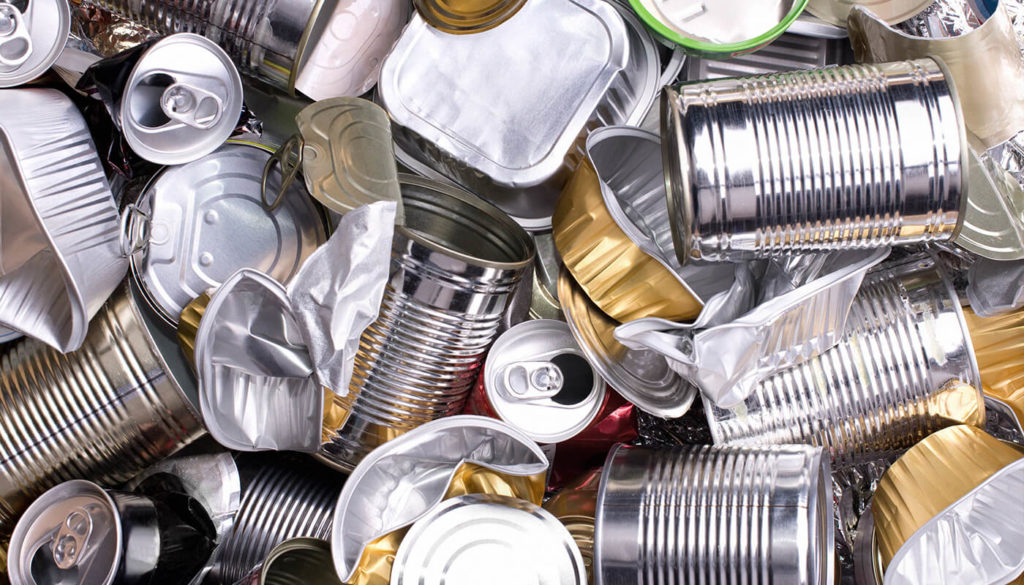
The shift toward zero waste metal production is transforming the manufacturing landscape. As environmental regulations tighten and consumer expectations rise, companies are rethinking traditional processes to minimize waste, cut costs, and reduce their ecological impact. Achieving near-total resource efficiency in metalworking is not just an environmental goal—it’s a competitive advantage in today’s market.
This article explores practical strategies for establishing sustainable metal manufacturing, including waste reduction, recycling, and process optimization. Whether you’re managing a large industrial facility or a smaller fabrication shop, understanding how to implement circular practices can help you meet regulatory requirements and position your business for long-term success.
For those working with coated steels, integrating best practices for stamping coated steels can further reduce material loss and improve overall efficiency.
Key Principles of Sustainable Metal Manufacturing
Moving toward a waste-free production environment requires a holistic approach. The following principles are foundational for any operation aiming to minimize environmental impact and maximize resource use:
- Resource Efficiency: Optimize the use of raw materials to ensure the highest possible yield from every batch.
- Closed-Loop Recycling: Reintroduce scrap and byproducts into the production cycle, reducing the need for virgin materials.
- Process Optimization: Continuously improve manufacturing steps to minimize offcuts, emissions, and energy consumption.
- Product Design for Disassembly: Create products that are easy to take apart and recycle at end-of-life.
- Collaboration: Work with suppliers, customers, and recyclers to close material loops across the value chain.
Implementing Zero Waste Practices in Metal Production
Adopting a zero waste approach in metalworking involves a series of targeted actions. Here’s how to create zero waste metal production systems that are both practical and scalable:
- Material Selection and Sourcing: Choose metals that are highly recyclable and source from suppliers with robust environmental policies. Using recycled feedstock reduces both costs and environmental impact.
- Scrap Segregation and Collection: Set up dedicated bins and clear signage to separate ferrous and non-ferrous scrap. This improves recycling rates and ensures higher-quality reclaimed material.
- On-Site Recycling: Invest in equipment such as shredders and compactors to process scrap in-house. This not only reduces transportation costs but also allows for immediate reuse of materials.
- Process Control and Automation: Use sensors and automation to monitor production lines for inefficiencies. Real-time data helps identify sources of waste and opportunities for improvement.
- Employee Training: Educate staff on waste reduction techniques and the importance of proper sorting and handling of materials.
Recycling and Reuse: Closing the Loop
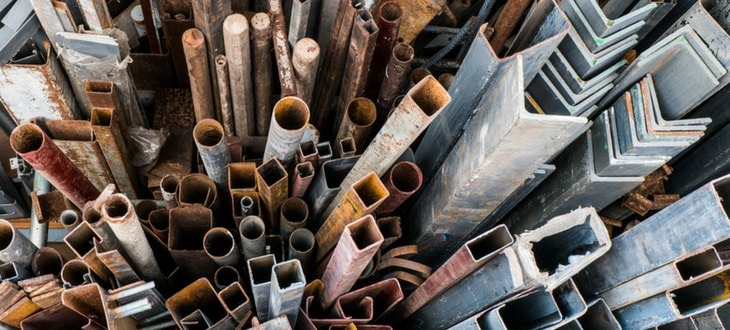
Recycling is at the core of any waste-free metal production strategy. By capturing and reprocessing scrap, manufacturers can significantly reduce their reliance on raw materials and lower their carbon footprint. The most effective systems not only recycle internally generated waste but also accept post-consumer scrap from external sources.
For an in-depth look at how different types of scrap metal are repurposed in industry, see this guide to recycled scrap metal applications.
- Ferrous Metals: Steel and iron scrap are easily melted and reformed, making them ideal for closed-loop recycling.
- Non-Ferrous Metals: Aluminum, copper, and other non-ferrous materials retain their properties after recycling and are highly valuable.
- Alloy Segregation: Proper sorting ensures that alloys are not contaminated, preserving material quality for reuse.
Optimizing Production for Minimal Waste
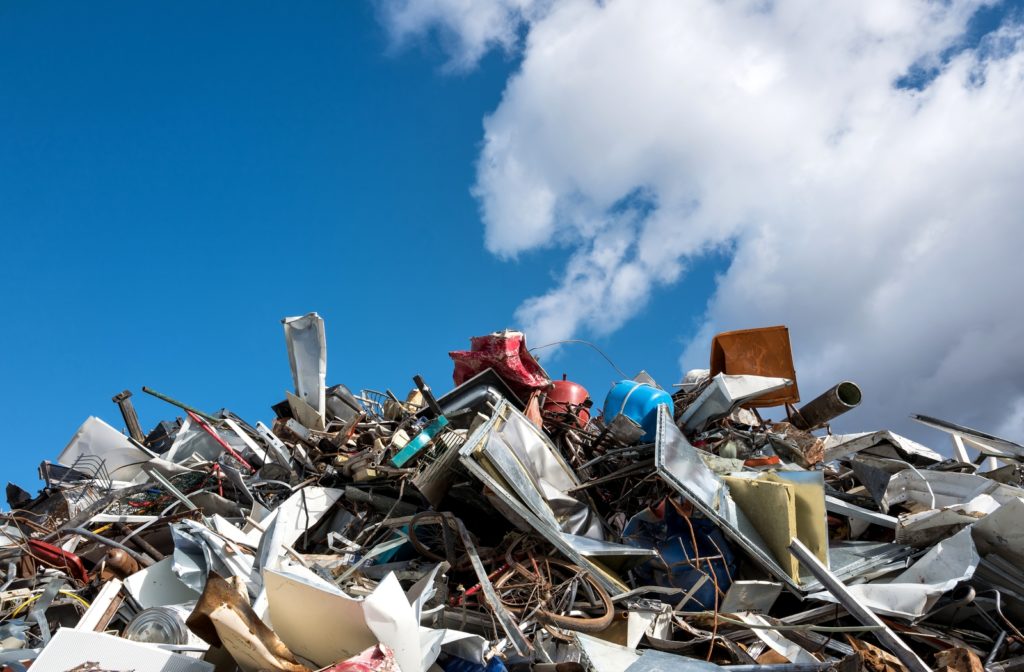
Beyond recycling, the most advanced facilities focus on preventing waste before it occurs. This requires a combination of process improvements, smart design, and ongoing monitoring.
- Lean Manufacturing: Apply lean principles to eliminate unnecessary steps, reduce inventory, and streamline workflows.
- Precision Cutting and Stamping: Use advanced cutting and stamping technologies to minimize offcuts and maximize material yield. For more on this, explore steel stamping edge quality optimization.
- Secondary Operations: Plan for secondary processes like deburring or coating to minimize rework and scrap. For essential considerations, see steel stamping secondary operation considerations.
- Lubrication Management: Properly manage and recycle lubricants to prevent contamination and reduce hazardous waste. Guidance is available in how to manage lubrication runoff in stamping.
Training and Culture: Empowering Teams for Sustainability
Achieving a waste-free production environment depends on the commitment and knowledge of your workforce. Regular training ensures that everyone understands their role in minimizing waste and maximizing resource efficiency. Topics should include:
- Proper sorting and handling of scrap materials
- Safe operation of recycling equipment
- Continuous improvement and reporting of waste reduction ideas
For more on developing a safety- and sustainability-focused workforce, see how to train operators for steel stamping safety.
Benefits of Zero Waste Metal Production Approaches
Companies that implement these strategies experience a range of benefits:
- Cost Savings: Reduced raw material purchases and lower waste disposal fees.
- Regulatory Compliance: Easier adherence to environmental standards and reduced risk of fines.
- Brand Value: Enhanced reputation among customers and partners who value sustainability.
- Operational Efficiency: Streamlined processes and improved productivity.
- Environmental Impact: Lower greenhouse gas emissions and conservation of natural resources.
Frequently Asked Questions
What are the first steps to reducing waste in metal manufacturing?
Start by conducting a waste audit to identify where scrap and byproducts are generated. Implement clear sorting systems, invest in recycling equipment, and train employees on best practices for material handling.
How does recycling scrap metal benefit the environment?
Recycling scrap metal conserves natural resources, reduces energy consumption, and lowers greenhouse gas emissions compared to producing metals from raw ore. It also diverts waste from landfills and supports a circular economy.
Can zero waste production be achieved in all types of metalworking operations?
While the degree of waste elimination varies by process and material, most operations can dramatically reduce waste through a combination of recycling, process optimization, and employee engagement. Continuous improvement is key to approaching zero waste goals.