
Edge cracking is a persistent challenge in metal stamping, especially when working with high-strength or advanced steels. This defect can compromise part integrity, increase scrap rates, and lead to costly production delays. Understanding how to avoid edge cracking in stamped steel is essential for manufacturers aiming to deliver high-quality components and maintain efficient operations.
This article provides a comprehensive overview of the causes behind edge cracking, practical strategies to minimize its occurrence, and best practices for process optimization. Whether you are a process engineer, tool designer, or production manager, these insights will help you strengthen your approach to steel stamping and reduce the risk of edge defects.
For those interested in related process improvements, consider reviewing how to optimize scrap chute angles to further enhance your stamping line’s efficiency.
Understanding the Causes of Edge Cracking
To effectively reduce edge cracking in steel stamping, it’s important to first understand the root causes. Edge cracks typically occur due to a combination of material properties, tooling design, and process parameters. The following factors are most commonly involved:
- Material Ductility: Steels with lower ductility or improper heat treatment are more prone to cracking along cut or formed edges.
- Tooling Condition: Worn, chipped, or misaligned dies can introduce excessive localized stress, leading to premature edge failure.
- Clearance and Shear: Incorrect die clearance or poor shear conditions can leave rough, work-hardened edges that are susceptible to cracking during subsequent forming.
- Forming Severity: Sharp bends, tight radii, or excessive draw depths can push the material beyond its formability limits, especially near edges.
- Material Directionality: The orientation of the steel’s grain structure can influence how cracks initiate and propagate during stamping.
Recognizing these factors is the first step toward implementing effective countermeasures for avoiding edge cracking in stamped steel.
Material Selection and Preparation for Crack Prevention
Choosing the right steel grade and preparing it properly can significantly reduce the risk of edge defects. Here are some best practices:
- Select High-Formability Grades: Opt for steels with higher elongation and ductility, especially for parts with complex shapes or tight bends.
- Control Grain Size: Finer grain structures improve edge quality and resistance to cracking. For more on this, see the importance of steel stamping material grain size importance.
- Specify Proper Heat Treatment: Ensure materials are annealed or processed to achieve the desired mechanical properties before stamping.
- Monitor Surface Condition: Remove scale, rust, or other surface defects that could act as crack initiation points.
By focusing on these aspects during material procurement and preparation, manufacturers can lay a strong foundation for defect-free stamping.
Optimizing Tooling Design to Minimize Edge Defects
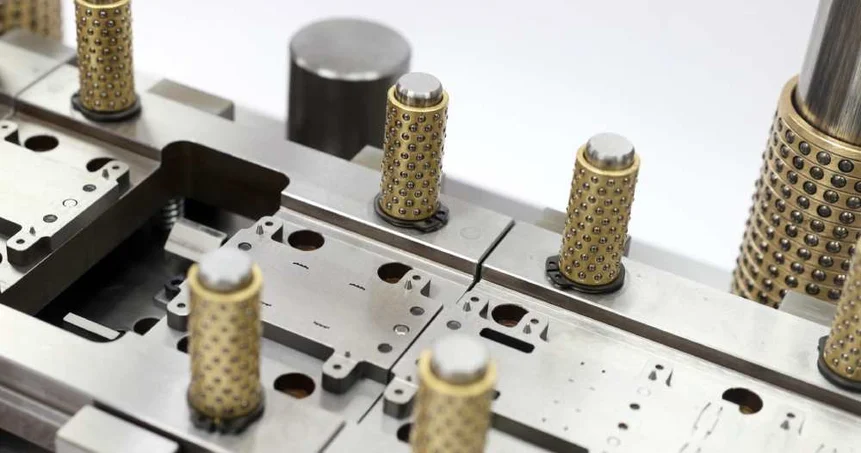
Tooling plays a critical role in how to avoid edge cracking in stamped steel. Well-designed and properly maintained dies are essential for producing clean, crack-free edges. Consider the following guidelines:
- Maintain Proper Die Clearance: Set die clearance according to material thickness and grade. Too little clearance increases shearing forces, while too much can cause burrs and rough edges.
- Use Generous Radii: Avoid sharp corners and tight bends near edges. Larger radii reduce localized stress and help prevent cracking.
- Regularly Inspect and Sharpen Dies: Dull or damaged cutting edges increase the risk of edge defects. Implement a routine maintenance schedule for die repair and sharpening.
- Apply Edge Conditioning: Secondary operations like deburring or edge rolling can further improve edge quality and reduce the likelihood of cracks during forming.
For a deeper dive into die maintenance, review this guide to stamping die repair and maintenance.
Process Parameters That Influence Edge Cracking
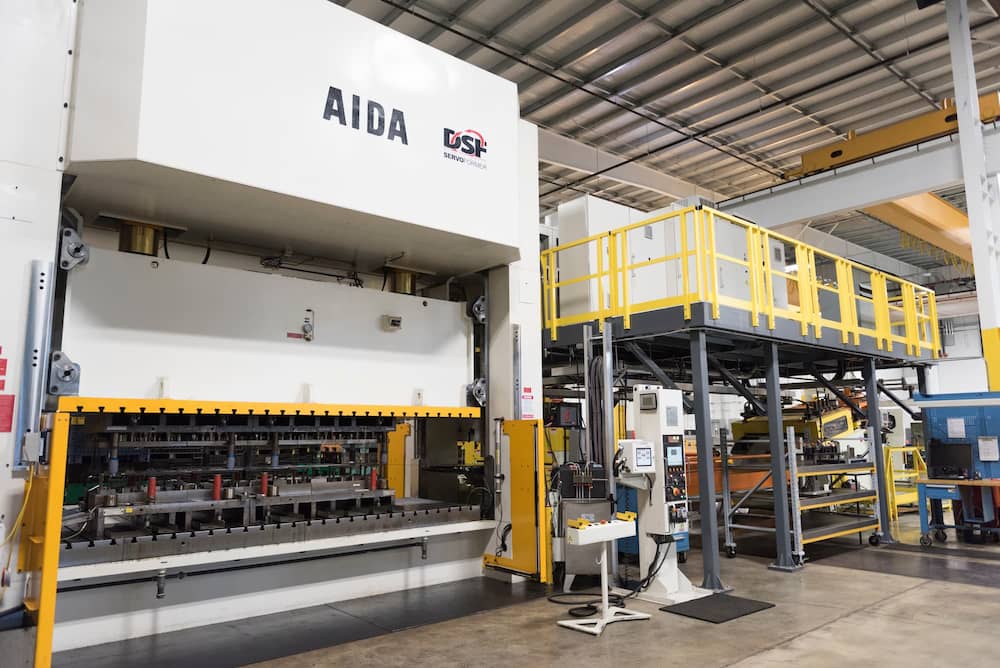
Even with optimal material and tooling, process variables can make or break your efforts to prevent edge defects. Key parameters to monitor include:
- Blank Holder Force: Too much or too little force can cause uneven material flow, increasing the risk of cracks at the edges.
- Lubrication: Proper lubrication reduces friction and helps the material flow smoothly during forming, minimizing stress concentrations.
- Forming Speed: Excessively high speeds can cause dynamic effects that promote cracking, especially in high-strength steels.
- Temperature Control: In some cases, warm forming or pre-heating the material can improve ductility and reduce edge cracking.
Consistent process monitoring and adjustment are essential for maintaining quality throughout production runs.
Inspection and Quality Control for Early Detection
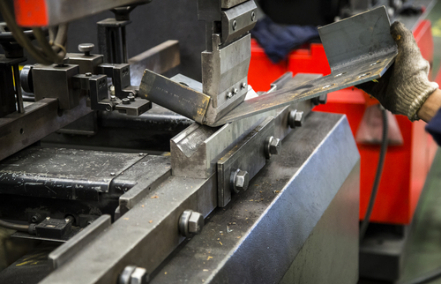
Early detection of edge cracks can prevent defective parts from reaching downstream processes or customers. Implement these quality control steps:
- Visual Inspection: Regularly inspect cut and formed edges for signs of micro-cracks, roughness, or burrs.
- Non-Destructive Testing: Techniques like dye penetrant inspection or eddy current testing can reveal subsurface cracks before they propagate.
- Dimensional Checks: Ensure that edge geometry and part dimensions remain within specified tolerances, as deviations may indicate forming issues.
- Statistical Process Control (SPC): Track defect rates and process variables to identify trends and intervene before problems escalate.
Integrating these inspection steps into your workflow will help maintain consistent quality and reduce costly rework or scrap.
Advanced Strategies for Reducing Edge Cracking
For operations facing persistent edge cracking, advanced techniques may be necessary:
- Finite Element Analysis (FEA): Use simulation tools to predict stress concentrations and optimize part and tool design before production.
- Tailored Blanks: Employ laser-welded or selectively thickened blanks to reinforce high-stress areas near edges.
- Coated Steels: Consider using coated materials and refer to best practices for stamping coated steels to prevent both cracking and surface damage.
- Process Automation: Automated monitoring and feedback systems can detect anomalies and adjust parameters in real time.
These methods require investment but can deliver significant improvements in both yield and part performance.
FAQ: Edge Cracking in Steel Stamping
What are the most common signs of edge cracking in stamped parts?
Edge cracks often appear as small splits or tears along the cut or formed edges of steel components. They may be visible immediately after stamping or develop during subsequent forming operations. Regular inspection is key to catching these defects early.
Can changing the steel supplier help reduce edge defects?
Switching suppliers can sometimes help if the new source provides material with better ductility, more consistent grain size, or improved surface quality. However, it’s important to validate new materials through testing before full-scale production.
How does die maintenance impact edge quality?
Proper die maintenance is crucial for minimizing edge cracking. Worn or damaged dies can create uneven shear, increase burr formation, and introduce stress concentrations that lead to cracks. Routine inspection and timely repair are essential for maintaining tool performance.
Conclusion
Minimizing edge cracking in steel stamping requires a holistic approach that addresses material selection, tooling design, process control, and quality assurance. By understanding the underlying causes and implementing the strategies outlined above, manufacturers can significantly reduce defects and improve part reliability. For additional insights into material properties, see steel stamping material yield strength considerations. Staying proactive with process improvements and regular maintenance will ensure that your stamped components meet the highest standards of quality and durability.