
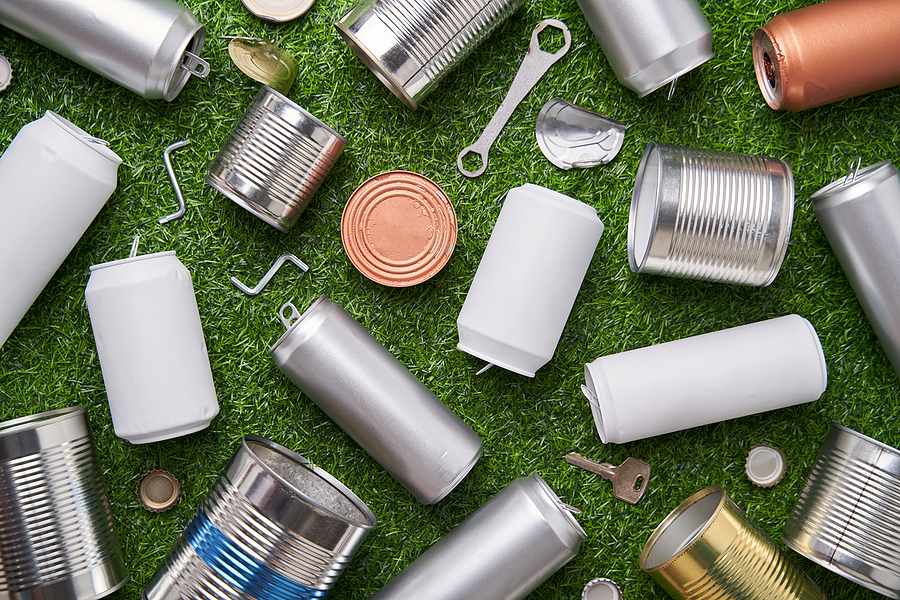
The global demand for metals continues to rise, fueling extraction and manufacturing processes that can have significant environmental impacts. As industries and consumers look for sustainable solutions, how recycled metals reduce pollution has become a central topic in environmental management and resource conservation. By reusing metals already in circulation, we can cut down on waste, conserve natural resources, and minimize the harmful emissions associated with mining and refining.
This article explores the environmental benefits of metal recycling, the processes involved, and the broader impact on pollution reduction. Along the way, you’ll find practical insights, relevant resources, and actionable steps for supporting a cleaner, more sustainable future.
For those interested in the technical side of metal processing, understanding best practices for stamping coated steels can further enhance the efficiency and sustainability of metal recycling operations.
Understanding the Environmental Impact of Metal Production
Traditional metal production relies heavily on mining, which disturbs ecosystems, consumes vast amounts of energy, and generates significant waste. The extraction and refining of metals such as steel, aluminum, and copper contribute to air and water pollution, greenhouse gas emissions, and habitat destruction.
- Mining activities often result in soil erosion, deforestation, and contamination of water sources due to runoff.
- Processing ores requires high temperatures, typically achieved by burning fossil fuels, which releases carbon dioxide and other pollutants.
- Waste materials, including tailings and slag, can leach toxic substances into the environment.
These challenges highlight the urgent need for alternative approaches that can reduce the environmental footprint of metal use.
How Recycled Metals Reduce Pollution: Key Mechanisms
Utilizing recycled metals offers a range of environmental advantages. Here are the main ways in which this practice helps combat pollution:
- Lower Energy Consumption: Recycling metals typically uses far less energy than producing new metals from raw ore. For example, recycling aluminum saves up to 95% of the energy required for primary production, while steel recycling saves about 60–74%.
- Reduced Greenhouse Gas Emissions: Since recycling processes are less energy-intensive, they emit fewer greenhouse gases. This helps mitigate climate change and improves air quality.
- Minimized Landfill Waste: Scrap metal that is recycled does not end up in landfills, reducing the risk of soil and water contamination from metal leaching.
- Conservation of Natural Resources: By reusing existing metals, we decrease the need for new mining, preserving natural habitats and reducing the ecological damage associated with extraction.
Types of Metals Commonly Recycled
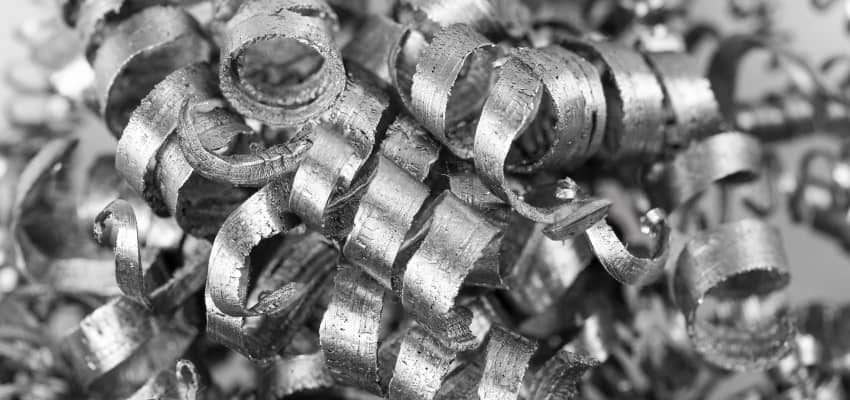
Not all metals are recycled at the same rate, but many can be processed and reused multiple times without losing their properties. The most commonly recycled metals include:
- Steel: Used in construction, automotive, and packaging industries.
- Aluminum: Found in beverage cans, window frames, and consumer electronics.
- Copper: Essential for electrical wiring and plumbing.
- Brass and Bronze: Often recycled from plumbing fixtures and decorative items.
For a detailed overview of recyclable metals and their uses, see this guide to the different types of metal that can be recycled.
Pollution Reduction in Industrial and Consumer Sectors
The benefits of metal recycling extend across both industrial and consumer sectors. Factories that incorporate recycled metals into their production lines lower their carbon footprint and reduce waste output. On the consumer side, recycling household items like cans, appliances, and electronics diverts significant amounts of material from landfills.
In manufacturing, using recycled metals can also improve product quality and reduce costs. For example, companies focused on steel stamping edge quality optimization often rely on high-grade recycled steel to maintain precision and durability while supporting environmental goals.
Challenges and Solutions in Metal Recycling
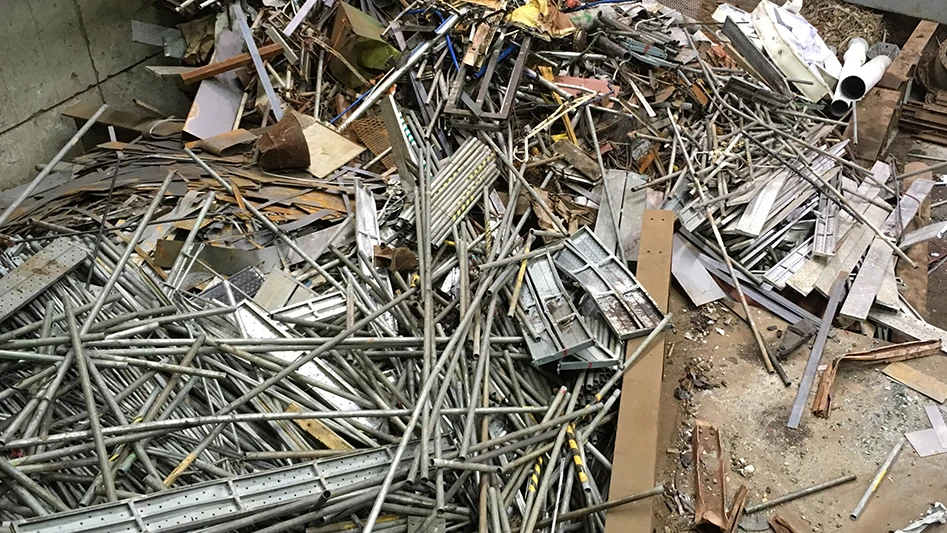
While recycling metals offers clear environmental benefits, the process is not without its challenges. Contamination, collection inefficiencies, and the need for specialized sorting equipment can hinder recycling rates. However, advances in technology and industry best practices are helping to overcome these obstacles.
- Improved sorting technologies allow for more efficient separation of metals, reducing contamination and increasing the quality of recycled material.
- Public awareness campaigns encourage consumers and businesses to participate in recycling programs.
- Regulatory incentives and industry standards promote the use of recycled materials in manufacturing.
Companies are also investing in operator training and safety compliance, as outlined in resources like how to train operators for steel stamping safety, to ensure that recycling operations are both effective and safe.
Practical Steps for Supporting Metal Recycling
Individuals, businesses, and communities can all play a role in maximizing the benefits of metal recycling:
- Sort and clean scrap: Properly separating metals and removing contaminants increases recycling efficiency.
- Participate in local programs: Many municipalities offer curbside pickup or drop-off locations for metal items.
- Support products made from recycled metals: Look for manufacturers that prioritize recycled content in their goods.
- Advocate for responsible disposal: Encourage others to recycle and avoid sending metal objects to landfills.
For industrial operations, considering steel stamping secondary operation considerations can further optimize the use of recycled materials and minimize waste.
Frequently Asked Questions
What types of metals can be recycled?
Most common metals, including steel, aluminum, copper, brass, and bronze, can be recycled multiple times without losing quality. Specialized facilities can also process less common metals, depending on local capabilities.
How does recycling metals help reduce air and water pollution?
Recycling metals uses less energy and produces fewer emissions compared to mining and refining new metals. This leads to lower levels of air pollutants and reduces the risk of water contamination from industrial runoff and landfill leaching.
What are the main barriers to increasing metal recycling rates?
Key challenges include contamination of scrap, lack of public awareness, and insufficient collection infrastructure. Advances in sorting technology and education can help address these issues and boost recycling rates.
Conclusion: The Role of Metal Recycling in a Cleaner Future
Embracing the reuse of metals is a practical and effective way to tackle environmental pollution. By reducing the need for new mining, cutting energy use, and minimizing waste, recycling supports a more sustainable industrial ecosystem. Whether at home or in the workplace, making informed choices about metal disposal and supporting recycled products can have a lasting positive impact on the planet.