
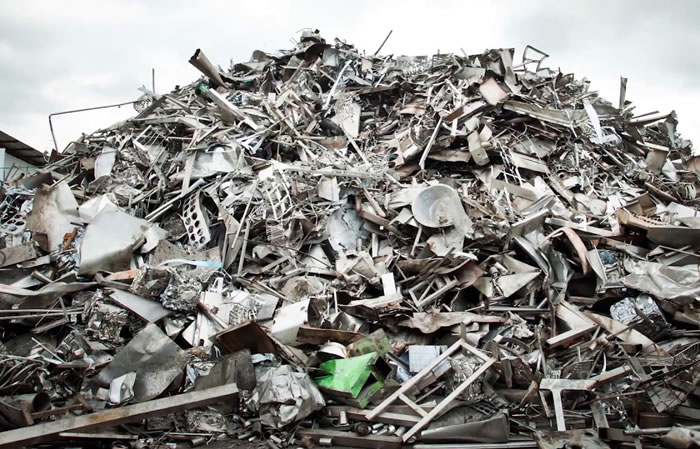
The journey from scrap metal to usable raw material involves several crucial steps, and one of the most important is the shredding stage. Understanding how metals are shredded before melting helps clarify why this process is essential for efficiency, safety, and quality in metal recycling and manufacturing. Shredding not only reduces the size of metal pieces but also prepares them for further processing, making the melting phase more effective and environmentally friendly.
Before diving into the details of metal shredding, it’s helpful to consider the broader context of metalworking. For example, optimizing the handling of scrap and understanding material properties are both key to efficient operations. If you’re interested in related topics, such as how to optimize scrap chute angles or steel stamping material yield strength considerations, these resources provide valuable insights into the entire lifecycle of metal materials.
The Role of Shredding in Metal Recycling
Shredding is a preparatory step that transforms bulky scrap into manageable fragments. This process is vital for several reasons:
- Improved melting efficiency: Smaller pieces have a greater surface area, allowing them to melt faster and more evenly.
- Contaminant removal: Shredding helps separate metals from non-metallic materials, such as plastics, rubber, or insulation.
- Transport and storage: Reduced volume makes it easier and more cost-effective to move and store scrap metal.
For industries relying on recycled metals, understanding the shredding process is key to ensuring quality and sustainability. The process also supports environmental goals by making recycling more practical and reducing landfill waste.
Types of Scrap Metals Prepared for Shredding
Not all metals are treated the same way before melting. The type and condition of the scrap influence the shredding approach. Common sources of scrap include:
- Automotive parts: Car bodies, engines, and wheels often require heavy-duty shredders.
- Household appliances: Refrigerators, washing machines, and microwaves contain a mix of metals and other materials.
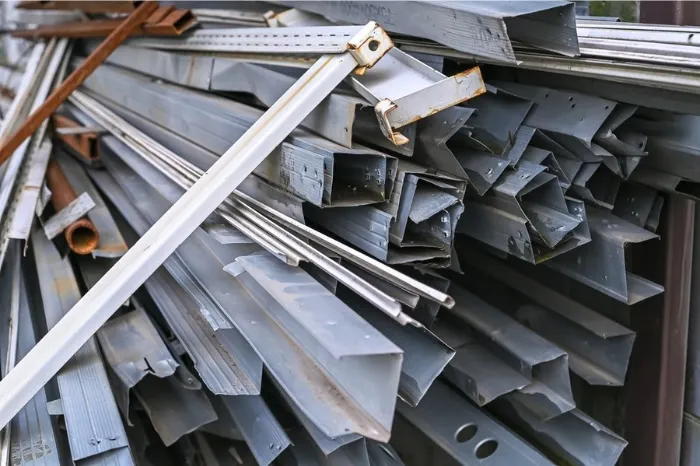
- Construction debris: Beams, pipes, and rebar are typically large and need to be broken down before further processing.
- Industrial offcuts: Manufacturing byproducts like sheet metal trimmings or defective parts.
Sorting and pre-processing are often necessary to separate ferrous from non-ferrous metals and to remove hazardous components.
Key Equipment Used to Shred Metals
The machinery used in shredding is designed to handle the unique challenges posed by different types of metal scrap. Some of the most common equipment includes:
- Hammer mills: These machines use rapidly rotating hammers to crush and break apart metal objects.
- Rotary shredders: Equipped with sharp blades, rotary shredders cut metals into smaller, uniform pieces.
- Shear shredders: These use powerful shearing forces to slice through thick or tough materials like steel beams or car frames.
- Granulators: For finer shredding, granulators reduce metal fragments to even smaller sizes, often used for non-ferrous metals.
Each type of shredder is chosen based on the scrap’s size, thickness, and composition. Regular maintenance and safety checks are essential to keep these machines operating efficiently.
Step-by-Step: How Metals Are Shredded Before Melting
The process of preparing metals for the furnace involves several coordinated steps:
- Sorting and inspection: Scrap is sorted by type and inspected for hazardous materials or contaminants.
- Pre-processing: Large items may be cut down or dismantled to fit into shredders.
- Feeding into the shredder: Scrap is loaded into the chosen machine, which breaks it down into smaller pieces.
- Separation: After shredding, magnets and other separation technologies remove non-metallic materials and sort ferrous from non-ferrous metals.
- Collection and storage: The shredded metal is collected and stored, ready for melting in furnaces.
This systematic approach ensures that only clean, appropriately sized metal enters the melting phase, reducing energy consumption and improving the quality of the final product.
Benefits of Shredding Scrap Before Melting
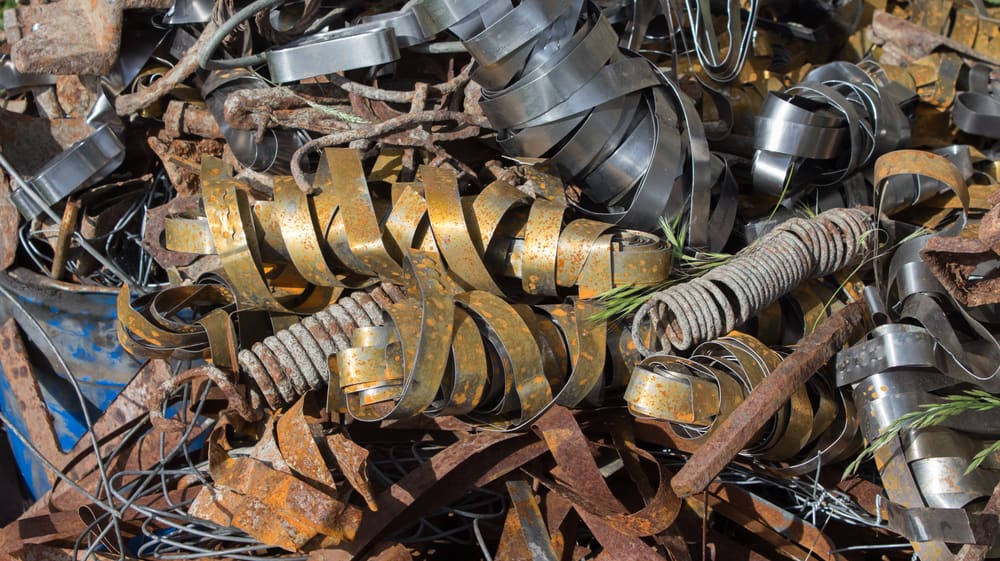
There are several significant advantages to breaking down metals before they reach the furnace:
- Energy savings: Smaller pieces melt faster, reducing the energy required for the process.
- Reduced emissions: Efficient melting means fewer greenhouse gases are released.
- Improved product quality: Removing contaminants and ensuring uniform size leads to higher-quality recycled metals.
- Operational safety: Handling smaller, uniform pieces reduces the risk of accidents during transport and melting.
These benefits make shredding a cornerstone of modern metal recycling operations.
Environmental Impact and Sustainability
Metal recycling, including the shredding phase, plays a crucial role in environmental protection. By reusing scrap, industries conserve natural resources and minimize mining activities. Shredding also helps reduce landfill use and supports the circular economy.
For more on sustainable practices and the uses of recycled metals, see this guide to recycled scrap metal applications which outlines how processed metals are reintegrated into manufacturing.
Challenges in the Shredding Process
While shredding offers many advantages, it comes with its own set of challenges:
- Equipment wear and tear: Shredders handle tough materials and require regular maintenance.
- Contaminant management: Non-metallic materials can damage equipment or reduce metal quality if not properly separated.
- Noise and dust: Shredding operations can be loud and generate dust, requiring mitigation measures for worker safety and environmental compliance.
Addressing these challenges ensures the process remains safe, efficient, and sustainable.
Integrating Shredding with Other Metalworking Processes
Shredding is just one part of the broader metalworking and recycling workflow. It often works in tandem with other processes, such as sorting, cleaning, and melting. For those interested in maximizing efficiency throughout the production cycle, exploring best practices for stamping coated steels or understanding the importance of material grain size in steel stamping can provide additional value.
Frequently Asked Questions
Why is shredding necessary before melting scrap metal?
Shredding breaks down large, bulky scrap into smaller pieces, making it easier and more efficient to melt. It also helps remove contaminants and improves the quality of the recycled metal.
What types of machines are used to shred metals?
Common machines include hammer mills, rotary shredders, shear shredders, and granulators. The choice depends on the type and size of the scrap being processed.
Does shredding affect the quality of the recycled metal?
Yes, proper shredding and separation of contaminants lead to higher-quality recycled metals. Uniformly sized, clean scrap melts more consistently and produces better end products.
Is shredding environmentally friendly?
Absolutely. Shredding supports recycling by making it more efficient, reducing landfill waste, and conserving natural resources. It also helps lower emissions by improving melting efficiency.
Conclusion
Understanding the details of how metals are shredded before melting highlights the importance of this process in modern recycling and manufacturing. From improving melting efficiency to supporting sustainability, shredding is a critical step that benefits both industry and the environment. By investing in the right equipment and following best practices, businesses can ensure safer, more cost-effective, and eco-friendly metal processing.