
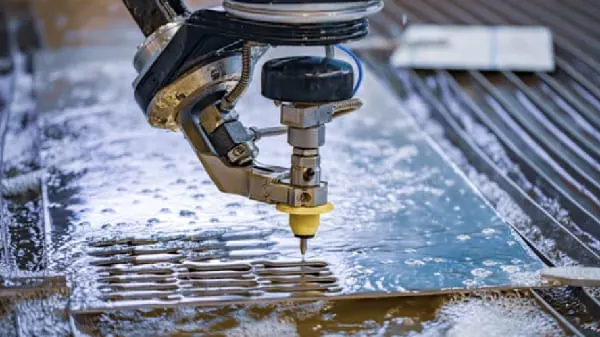
As industries worldwide face increasing pressure to reduce their environmental impact, the metalworking sector is undergoing a transformation. Green innovation in metal fabrication is reshaping traditional manufacturing processes, introducing eco-friendly practices, and driving the adoption of sustainable technologies. These advancements are not only helping companies meet regulatory requirements but also improving efficiency, reducing costs, and enhancing brand value.
For businesses and professionals eager to stay ahead, understanding the latest developments in sustainable fabrication is essential. From energy-efficient machinery to responsible sourcing and waste reduction, the movement toward greener production methods is gaining momentum. To further explore the environmental benefits of local procurement, consider reading about local sourcing metal fabrication and its positive effects on the industry.
Key Drivers of Sustainable Change in Metalworking
Several factors are accelerating the adoption of green innovation in metal fabrication. Environmental regulations are becoming stricter, requiring manufacturers to minimize emissions, manage waste responsibly, and use resources more efficiently. At the same time, customers and investors are increasingly prioritizing sustainability, prompting companies to rethink their operations.
Technological advancements are also making it easier to implement sustainable practices. Digital tools, automation, and smart monitoring systems allow for precise control over energy use and material consumption, reducing waste and optimizing production.
Energy-Efficient Technologies and Processes
One of the most significant areas of progress is the shift toward energy-efficient machinery and processes. Modern fabrication shops are investing in equipment that consumes less power, such as high-efficiency lasers, plasma cutters, and induction heating systems. These technologies not only lower energy bills but also reduce greenhouse gas emissions.
Additionally, the integration of renewable energy sources—like solar panels and wind turbines—into manufacturing facilities is becoming more common. By generating clean electricity on-site, companies can further decrease their carbon footprint and demonstrate a commitment to sustainability.

Material Selection and Waste Reduction Strategies
Choosing the right materials is a cornerstone of sustainable fabrication. Many manufacturers are now opting for recycled metals or alloys with lower environmental impact. By prioritizing materials that are easier to recycle or have a longer lifespan, companies can significantly decrease the amount of waste generated.
Advanced software tools are also helping to optimize material usage. Computer-aided design (CAD) and nesting software minimize scrap by arranging parts on raw materials with maximum efficiency. This not only conserves resources but also reduces disposal costs.
For additional insights into minimizing the environmental impact of packaging, see our resource on eco friendly metal packaging and how it supports sustainable production goals.
Digital Solutions for Enhanced Sustainability
The digital transformation of the metalworking industry is playing a vital role in promoting eco-friendly practices. Technologies such as the Internet of Things (IoT), artificial intelligence, and data analytics enable real-time monitoring of energy consumption, emissions, and equipment performance.
Digital twins, for example, allow manufacturers to create virtual replicas of their operations. By simulating different scenarios, companies can identify opportunities to save energy, reduce waste, and optimize workflows. To learn more about the role of digital modeling in resource conservation, explore our article on digital twins metal sustainability.
Responsible Sourcing and Supply Chain Management
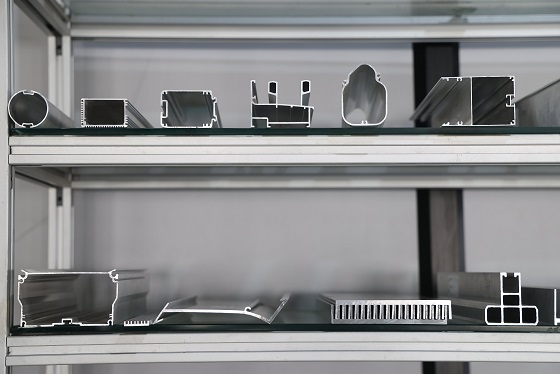
Sustainable metalworking extends beyond the factory floor. Companies are increasingly evaluating their supply chains to ensure that raw materials are sourced responsibly. This includes working with suppliers who follow ethical labor practices and prioritize environmental stewardship.
Localizing supply chains can further reduce transportation emissions and support regional economies. For strategies on minimizing the carbon footprint associated with logistics, see our discussion on reducing transportation emissions fabrication.
Packaging and End-of-Life Considerations
The journey toward sustainability does not end with production. Packaging choices and product end-of-life management are critical components of a comprehensive green strategy. Using recyclable or biodegradable packaging materials helps minimize landfill waste and supports circular economy principles.
Companies can also design products for disassembly, making it easier to recover valuable materials at the end of their useful life. For best practices in this area, our guide on sustainable packaging metal products provides practical recommendations.
Industry Collaboration and Certification
Collaboration across the industry is essential for driving large-scale change. Many organizations are joining forces through industry associations, research initiatives, and public-private partnerships to develop standards and share best practices.
Environmental certifications, such as ISO 14001, provide a framework for continuous improvement and demonstrate a company’s commitment to sustainability. These certifications can also enhance credibility with customers and open doors to new business opportunities.
For a broader perspective on eco-friendly manufacturing, the article on sustainable manufacturing and eco-friendly practices in metal fabrication offers valuable insights into the latest trends and technologies.
Benefits of Embracing Green Innovation
Adopting sustainable practices in metalworking offers a range of advantages. Companies can achieve cost savings through reduced energy consumption and material waste, while also meeting the expectations of environmentally conscious customers. Additionally, proactive environmental management can help organizations stay ahead of regulations and avoid potential fines or reputational damage.
By positioning themselves as leaders in sustainability, manufacturers can strengthen their market position and attract new business. The transition to greener methods is not just a regulatory necessity—it is a strategic opportunity for growth and innovation.
Frequently Asked Questions
What are the most impactful green technologies in metal fabrication today?
Some of the most effective eco-friendly technologies include energy-efficient laser and plasma cutting systems, advanced recycling processes, and digital monitoring tools that optimize resource use. The integration of renewable energy sources and the adoption of digital twins are also transforming how manufacturers approach sustainability.
How can metal fabricators reduce waste in their operations?
Waste reduction can be achieved by using recycled materials, optimizing material layouts with CAD and nesting software, and designing products for easier disassembly and recycling. Implementing lean manufacturing principles and continuous monitoring further helps minimize scrap and unnecessary resource consumption.
Why is responsible sourcing important for sustainability in metalworking?
Responsible sourcing ensures that raw materials are obtained in ways that minimize environmental harm and support ethical labor practices. It also reduces transportation emissions and helps companies build resilient, transparent supply chains that align with their sustainability goals.