

As businesses and manufacturers look for ways to reduce their environmental impact, local sourcing metal fabrication has emerged as a practical solution. Choosing to work with nearby metal fabricators not only supports regional economies but also brings significant ecological advantages. From minimizing transportation emissions to promoting sustainable practices, this approach is reshaping how companies think about their supply chains.
By prioritizing local partnerships, organizations can streamline logistics, enhance quality control, and contribute to a cleaner environment. This article explores the key environmental benefits of sourcing metal fabrication services locally, offering insights for companies aiming to make more responsible choices in their operations.
For those interested in further reducing their carbon footprint, strategies such as reducing transportation emissions fabrication can complement local sourcing efforts and amplify sustainability outcomes.
How Local Metal Fabrication Reduces Transportation Emissions
One of the most immediate environmental gains from local sourcing metal fabrication is the reduction of transportation-related emissions. When materials and finished products travel shorter distances, less fuel is consumed, leading to lower greenhouse gas output. This benefit is particularly relevant for industries that rely on heavy or bulky metal components, where shipping can be a major contributor to overall emissions.
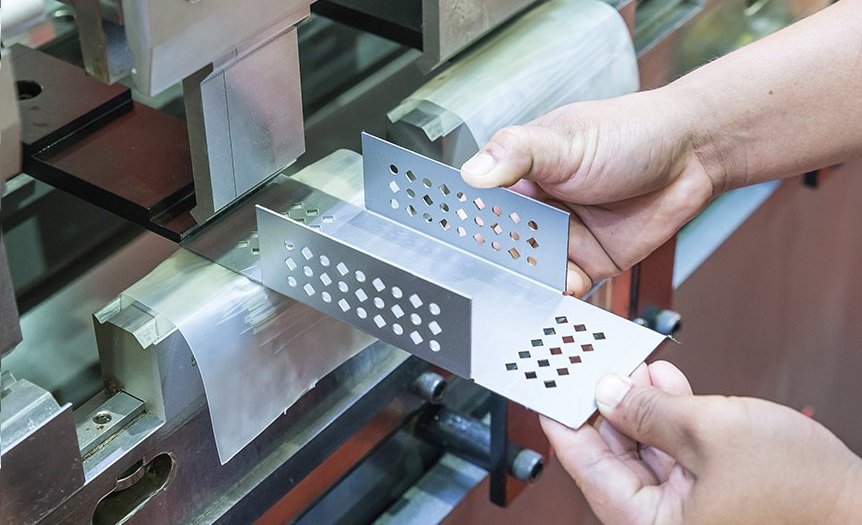
By working with nearby suppliers, companies can often consolidate shipments, optimize delivery routes, and even switch to more sustainable modes of transport such as electric vehicles or rail. This not only reduces carbon emissions but can also lead to cost savings and improved delivery times.
- Shorter supply chains mean fewer trucks on the road and less fuel burned.
- Decreased need for air or sea freight, which are typically more polluting per ton-mile.
- Opportunities to use cleaner, local transportation options.
These factors make local partnerships a key part of any strategy focused on minimizing the environmental footprint of metal fabrication projects.
Supporting Sustainable Manufacturing Practices
Choosing regional fabricators often goes hand-in-hand with supporting more sustainable manufacturing processes. Local businesses are more likely to adhere to regional environmental regulations and may be more invested in community well-being. This can translate into better waste management, responsible sourcing of raw materials, and the adoption of energy-efficient technologies.
Many local shops are also more agile in implementing green initiatives, such as recycling scrap metal, reducing water usage, or switching to renewable energy sources. These improvements can be harder to verify or influence when working with distant or overseas suppliers.
For example, some companies are adopting digital twins metal sustainability solutions to monitor and optimize their resource use in real time, further enhancing the environmental benefits of local operations.
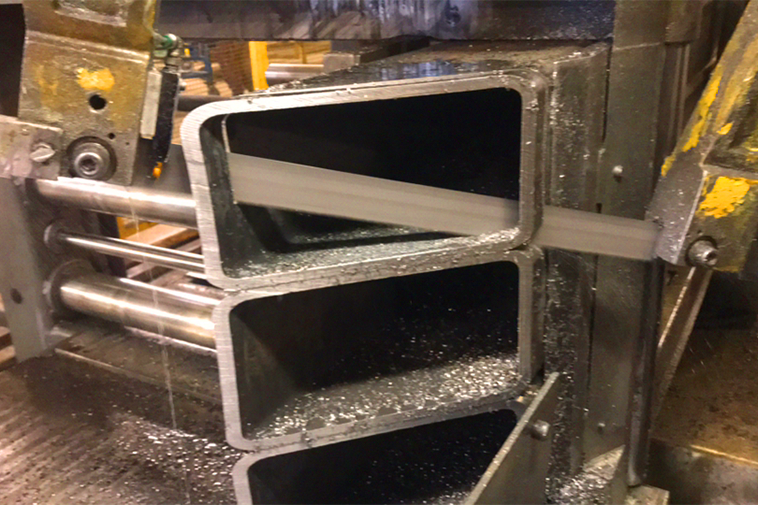
- Greater transparency and accountability in production processes.
- Ability to visit facilities and verify sustainable practices firsthand.
- Faster feedback loops for continuous improvement.
These factors help ensure that environmental commitments are more than just words—they become part of everyday business operations.
Waste Reduction and Efficient Resource Use
Another important advantage of local sourcing metal fabrication is the potential for reducing material waste and improving resource efficiency. When fabricators are located nearby, it becomes easier to coordinate on design changes, share offcuts, and return unused materials for recycling or reuse.
Local suppliers may also be more willing to collaborate on innovative packaging solutions, such as eco friendly metal packaging or sustainable packaging metal products, which further cuts down on waste and supports circular economy principles.
- Improved communication leads to fewer production errors and less scrap.
- Shared logistics can enable bulk recycling or material exchange programs.
- Closer relationships foster innovation in waste reduction strategies.
These efficiencies not only benefit the environment but can also result in cost savings and stronger supplier relationships.
Boosting Local Economies and Community Well-Being
While the environmental benefits are significant, sourcing metal fabrication services locally also strengthens regional economies. By keeping business within the community, companies help create jobs, support local families, and contribute to tax revenues that fund public services.
This economic boost can have indirect environmental benefits as well. Local businesses are often more responsive to community concerns about air quality, noise, and land use. They may also be more likely to invest in green infrastructure or participate in local sustainability initiatives.
Supporting local fabricators helps build resilient supply chains that are less vulnerable to global disruptions, ensuring a steady supply of essential components while maintaining high environmental standards.
Industry Examples and Broader Impact
The shift toward local sourcing metal fabrication is gaining traction across various industries, from construction and automotive to renewable energy and consumer goods. Companies are recognizing that working with nearby partners not only aligns with sustainability goals but also delivers practical business advantages.
For a deeper look at how sustainable practices are shaping the industry, consider reading about sustainable construction and fabrication methods that are setting new standards for environmental responsibility.
As more organizations embrace local sourcing, the cumulative effect can lead to significant reductions in global emissions, resource consumption, and waste generation. This collective action is essential for meeting climate targets and ensuring a healthier planet for future generations.
Frequently Asked Questions
What are the main environmental benefits of choosing local metal fabrication?
The primary ecological advantages include reduced transportation emissions, improved resource efficiency, and better waste management. Local suppliers also tend to follow stricter regional regulations and can more easily implement sustainable practices.
How does local sourcing compare to overseas fabrication in terms of sustainability?
Working with nearby fabricators typically results in a smaller carbon footprint due to shorter shipping distances and more transparent supply chains. Overseas sourcing often involves longer transport routes, less visibility into production processes, and greater challenges in ensuring environmental compliance.
Can local metal fabrication help companies achieve sustainability certifications?
Yes, partnering with regional suppliers can make it easier to meet the requirements for certifications such as LEED, ISO 14001, or other green building and manufacturing standards. Local sourcing supports traceability, responsible material use, and reduced emissions—all key factors in sustainability assessments.