

As industries strive to reduce their environmental impact, the demand for eco friendly metal packaging in the fabrication sector has grown significantly. Manufacturers and suppliers are increasingly seeking sustainable solutions that minimize waste, conserve resources, and support a circular economy. Metal packaging, when designed and managed responsibly, offers a compelling blend of durability, recyclability, and protection for a wide range of fabricated products.
This article explores the advantages of sustainable metal packaging, the latest innovations, and practical steps for fabricators looking to adopt greener practices. For those interested in improving operational efficiency alongside sustainability, consider learning about predictive maintenance metal fabrication as a complementary strategy.
Why Sustainable Metal Packaging Matters in Fabrication
The fabrication industry relies on robust packaging to protect products during storage and transport. Traditional packaging often involves plastics or composite materials that are difficult to recycle and contribute to landfill waste. In contrast, eco friendly metal packaging offers several environmental and operational benefits:
- Recyclability: Metals like steel and aluminum can be recycled repeatedly without losing quality, reducing the demand for virgin materials.
- Resource Efficiency: Recycled metals require less energy to process compared to new extraction, leading to lower carbon emissions.
- Product Protection: Metal packaging provides superior strength, shielding fabricated goods from damage and reducing the need for secondary packaging.
- Waste Reduction: Durable metal containers can be reused multiple times, supporting a circular approach to packaging.
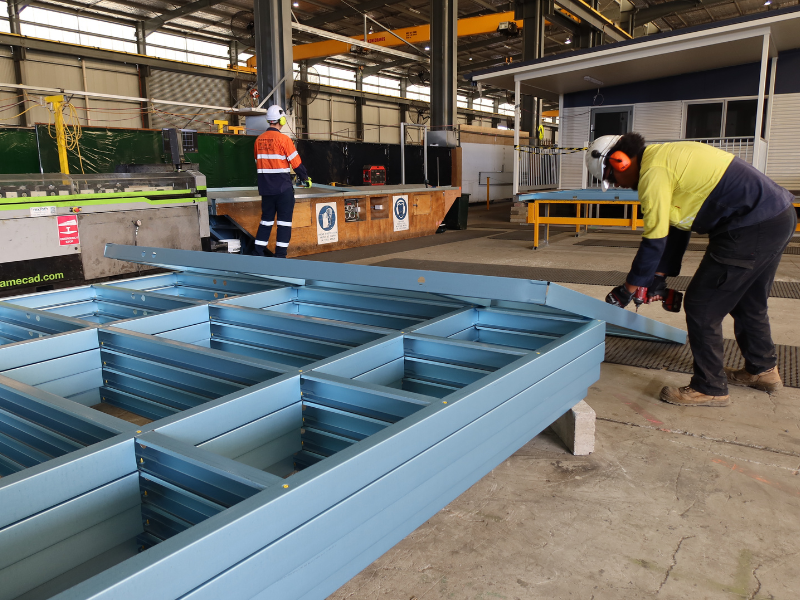
Key Features of Green Metal Packaging Solutions
Not all metal packaging is created equal. To maximize sustainability, fabricators should look for packaging solutions that incorporate the following features:
- Recycled Content: Preference should be given to packaging made from post-consumer or post-industrial recycled metals.
- Design for Disassembly: Packaging that can be easily separated into recyclable components simplifies the recycling process.
- Minimal Coatings: Avoiding or minimizing plastic linings and chemical coatings ensures that the metal remains recyclable at end of life.
- Lightweight Construction: Using advanced fabrication techniques to reduce material usage lowers shipping emissions and resource consumption.
For fabricators interested in further reducing their environmental impact, adopting dry machining environmental benefits can complement sustainable packaging choices.
Innovations Driving Eco Friendly Metal Packaging
Recent advancements in materials science and manufacturing are making it easier for fabricators to adopt greener packaging. Some notable trends include:
- Modular Packaging Systems: Reusable metal crates and containers designed for multiple uses across supply chains.
- Laser-Cut Customization: Precision fabrication allows for tailored packaging that minimizes excess material and fits products perfectly.
- Hybrid Materials: Combining metals with biodegradable inserts or recycled cardboard to balance protection and sustainability.
- Smart Tracking: Integration of RFID tags and QR codes to monitor packaging lifecycle and encourage returns for reuse.
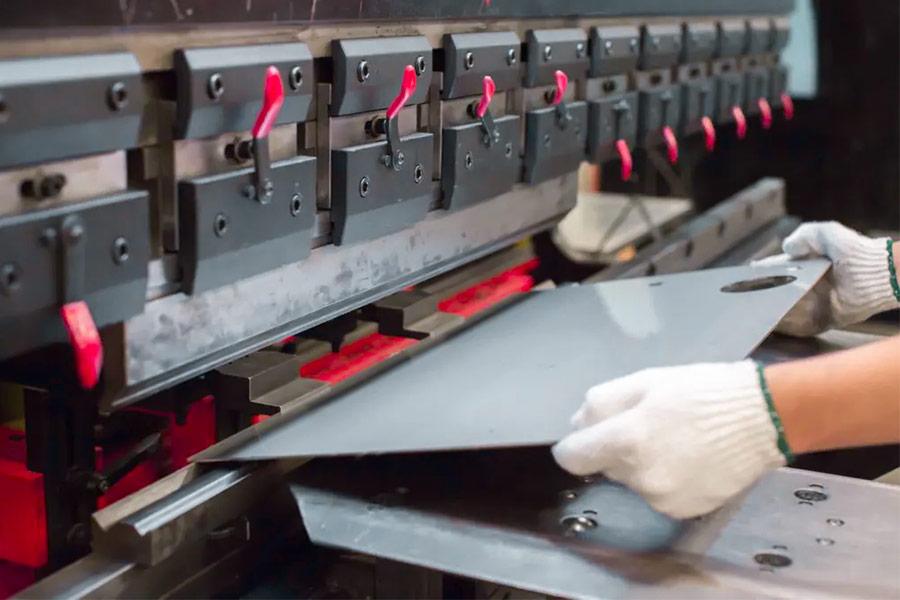
Implementing Sustainable Packaging in Fabrication Workflows
Transitioning to eco friendly metal packaging requires a holistic approach. Here are practical steps fabrication businesses can take:
- Audit Current Packaging: Assess the types and volumes of packaging used. Identify opportunities to replace single-use materials with reusable or recyclable metal options.
- Engage Suppliers: Work with packaging suppliers who prioritize recycled content and sustainable manufacturing processes. For insights on sustainable practices, explore resources like eco-friendly practices in metal fabrication.
- Employee Training: Educate staff on the importance of proper sorting, cleaning, and returning reusable packaging to maximize lifecycle and recycling rates.
- Monitor and Report: Track packaging usage, recycling rates, and cost savings to measure progress and identify further improvements.
Companies can also look into tool life optimization sustainability to further enhance their green initiatives alongside packaging improvements.
Challenges and Considerations for Adoption
While the benefits of sustainable metal packaging are clear, there are challenges to consider:
- Initial Investment: Reusable metal packaging often has a higher upfront cost compared to disposable alternatives, though it pays off over time.
- Reverse Logistics: Systems must be in place to collect, clean, and return reusable containers efficiently.
- Compatibility: Not all fabricated products are suited to standard metal packaging; customization may be necessary.
- Supply Chain Coordination: Collaboration with logistics partners and customers is essential to maximize reuse and recycling.
Staying informed about the 3D metal printing environmental impact can also help fabricators make more sustainable choices across their operations.
Looking Ahead: The Future of Green Packaging in Fabrication
As environmental regulations tighten and customer expectations shift, sustainable packaging will become a standard requirement in the fabrication industry. Innovations in material science, digital tracking, and circular economy models are making it easier for businesses to reduce waste and demonstrate their commitment to sustainability.
By prioritizing eco friendly metal packaging, fabricators not only reduce their environmental footprint but also enhance brand reputation and operational efficiency. As more companies share best practices and collaborate across the supply chain, the transition to greener packaging will accelerate, benefiting both the industry and the planet.
Frequently Asked Questions
What types of metals are most commonly used for sustainable packaging in fabrication?
Steel and aluminum are the most widely used metals for sustainable packaging. Both materials are highly recyclable, durable, and offer excellent protection for fabricated products. Stainless steel is often chosen for its corrosion resistance, while aluminum is valued for its lightweight properties.
How can fabricators ensure their metal packaging is truly eco-friendly?
To maximize sustainability, fabricators should select packaging made from recycled metals, avoid unnecessary coatings or plastic linings, and design for easy disassembly. Partnering with suppliers who follow green manufacturing practices and tracking the lifecycle of packaging further ensures eco-friendly outcomes.
Are there cost advantages to using reusable metal packaging?
While reusable metal packaging may have a higher initial cost, it often results in long-term savings by reducing the need for single-use materials, minimizing product damage, and lowering waste disposal expenses. Over multiple cycles, the investment typically pays for itself and supports sustainability goals.