
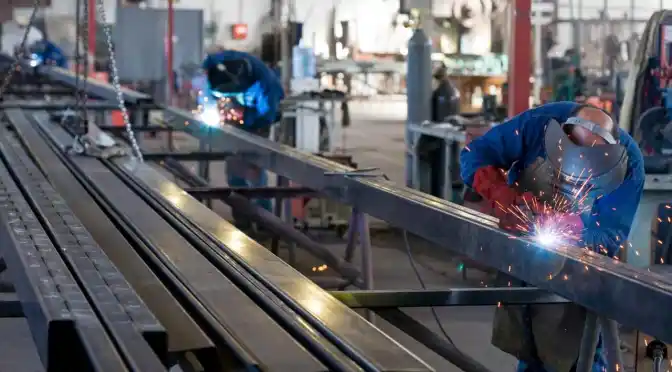
As global industries strive for greater responsibility, the demand for ethically sourced metals has grown rapidly. Manufacturers, suppliers, and end consumers are increasingly aware of the environmental and social impacts of metal extraction and processing. This shift is transforming how metals are sourced and used in everything from automotive parts to electronics and construction materials.
The journey toward responsible sourcing is not just about compliance; it’s about building trust, ensuring transparency, and supporting sustainable development. By prioritizing ethical practices, manufacturers can reduce harm to communities and ecosystems while also meeting the expectations of modern markets.
For those working with specialized materials, understanding the best practices for stamping coated steels is essential, especially as more manufacturers seek to align their processes with ethical sourcing standards.
What Defines Ethically Sourced Metals?
The concept of ethically sourced metals centers on the responsible extraction, processing, and distribution of metals. This means ensuring that operations do not contribute to human rights abuses, environmental degradation, or illicit trade. Ethical sourcing also involves transparency throughout the supply chain, from the mine to the finished product.
- Environmental stewardship: Minimizing pollution, land degradation, and resource depletion during mining and refining.
- Social responsibility: Protecting the rights and well-being of workers and local communities.
- Supply chain transparency: Tracking materials to verify their origins and ensure compliance with ethical standards.
- Legal compliance: Adhering to international regulations and avoiding conflict minerals.
Why Responsible Metal Sourcing Matters
The impact of metal production goes far beyond the factory floor. Mining can disrupt ecosystems, pollute water sources, and displace communities. In some regions, unregulated extraction is linked to unsafe labor conditions and even funding for armed conflict. By choosing responsibly sourced metals, manufacturers can help drive positive change across the industry.
Ethical sourcing is also becoming a requirement for doing business with major brands and governments. Many companies now require suppliers to demonstrate compliance with environmental, social, and governance (ESG) criteria. This trend is likely to accelerate as consumers and investors demand greater accountability.

Key Standards and Certifications for Ethical Metals
To help manufacturers and suppliers verify their sourcing practices, several international standards and certification schemes have been established. These frameworks provide guidelines and independent audits to ensure compliance with ethical and sustainable practices.
- Responsible Minerals Initiative (RMI): Focuses on conflict-free sourcing of minerals such as tin, tungsten, tantalum, and gold.
- London Metal Exchange (LME) Responsible Sourcing: Requires listed brands to meet strict due diligence and reporting standards.
- OECD Due Diligence Guidance: Offers a comprehensive approach for responsible mineral supply chains.
- Fairmined and Fairtrade Gold: Certifies gold from small-scale mines that meet rigorous social and environmental criteria.
These certifications help buyers identify suppliers committed to ethical practices and provide assurance to end customers.
Traceability and Transparency in the Supply Chain
One of the biggest challenges in sourcing metals responsibly is ensuring traceability. Complex global supply chains often involve multiple intermediaries, making it difficult to track the origin of raw materials. Advances in digital tracking, blockchain, and third-party audits are making it easier to verify the source and journey of metals.
Transparent supply chains not only support ethical claims but also help manufacturers identify risks, prevent fraud, and respond quickly to regulatory changes.
Benefits of Using Ethically Sourced Metals in Manufacturing
Integrating responsibly sourced metals into manufacturing processes offers a range of advantages:
- Brand reputation: Demonstrates a commitment to sustainability and social responsibility, which can enhance customer loyalty and attract new business.
- Regulatory compliance: Reduces the risk of legal penalties and supply chain disruptions.
- Operational efficiency: Ethical sourcing often goes hand-in-hand with improved resource management and waste reduction.
- Market access: Opens doors to partnerships with companies and governments that require ethical sourcing as a condition of doing business.
For manufacturers focused on process optimization, exploring steel stamping edge quality optimization can further align production with both quality and ethical standards.
Challenges in Achieving Ethical Sourcing
Despite the clear benefits, achieving full compliance with ethical sourcing standards can be complex. Some of the main challenges include:
- Complex supply chains: Multiple layers of suppliers and intermediaries can obscure the origin of raw materials.
- Cost pressures: Ethical sourcing may involve higher upfront costs for certification, audits, and process changes.
- Limited availability: Not all metals are readily available from certified sources, especially in high-demand sectors.
- Verification difficulties: Ensuring the accuracy of supplier claims requires ongoing diligence and investment in monitoring systems.
Overcoming these challenges requires collaboration across the industry, investment in new technologies, and a willingness to prioritize long-term value over short-term savings.
Innovations Driving Responsible Metal Sourcing
New technologies and industry partnerships are making it easier for manufacturers to source metals responsibly. Blockchain-based tracking systems, for example, allow for real-time verification of material origins. Artificial intelligence and data analytics can help identify risks and flag suspicious transactions.
Industry groups are also working together to share best practices and develop common standards. For example, the latest research on sustainable metal supply chains highlights the importance of collaboration between miners, manufacturers, and regulators.
Manufacturers can also benefit from resources on how to train operators for steel stamping safety to ensure that ethical practices are maintained throughout the production process.
How Manufacturers Can Transition to Responsible Sourcing
For companies looking to integrate ethically sourced metals into their operations, a structured approach is key:
- Assess current supply chains: Map out suppliers and identify potential risks or gaps in traceability.
- Engage with certified suppliers: Prioritize partnerships with vendors who can provide documentation and third-party verification.
- Implement due diligence processes: Establish policies and procedures for ongoing monitoring and compliance.
- Educate staff and stakeholders: Ensure that everyone involved understands the importance of ethical sourcing and their role in maintaining standards.
- Continuously improve: Stay updated on new regulations, technologies, and best practices to adapt as the industry evolves.
Additional guidance on steel stamping secondary operation considerations can help manufacturers align their entire production process with responsible sourcing goals.
FAQ: Ethically Sourced Metals in Industry
What are the main benefits of using responsibly sourced metals?
Choosing metals from ethical sources helps companies protect their reputation, comply with regulations, and support sustainable development. It also reduces the risk of supply chain disruptions and can improve operational efficiency.
How can manufacturers verify the origin of their metals?
Verification involves working with certified suppliers, using digital tracking systems, and conducting regular audits. Many companies rely on international standards and third-party certifications to ensure transparency and traceability.
Are there additional costs associated with ethical sourcing?
There may be higher upfront costs for certification and monitoring, but these are often offset by long-term benefits such as reduced risk, improved efficiency, and access to new markets. Many organizations find that the investment pays off through enhanced brand value and customer trust.
What steps can companies take to improve their sourcing practices?
Companies can start by mapping their supply chains, engaging with certified suppliers, implementing due diligence procedures, and staying informed about new technologies and industry standards. Ongoing education and collaboration are also essential for continuous improvement.
As the industry continues to evolve, resources on how to manage lubrication runoff in stamping can further support manufacturers in aligning their operations with ethical and sustainable practices.