
As industries strive to reduce their environmental impact, environmentally friendly metal fabrication has become a top priority. Manufacturers are rethinking traditional processes to minimize waste, lower emissions, and conserve resources. This shift not only benefits the planet but also helps companies meet regulatory standards and satisfy eco-conscious customers.
Adopting sustainable practices in metalworking involves more than just recycling scrap. It requires a holistic approach, from material selection and energy use to waste management and process innovation. In this article, we’ll explore the core principles, leading methods, and real-world strategies that make metal fabrication more sustainable.
For those interested in optimizing efficiency and sustainability in related processes, see our guide on how to optimize scrap chute angles for steel stamping.
Why Sustainable Metalworking Matters
The environmental footprint of metal fabrication is significant. Traditional methods can generate substantial waste, consume large amounts of energy, and release pollutants into the air and water. By embracing eco-friendly metalworking techniques, manufacturers can reduce greenhouse gas emissions, conserve raw materials, and limit hazardous byproducts.
Regulatory bodies are also tightening standards, making it essential for companies to adopt greener practices. Beyond compliance, sustainable fabrication can lead to cost savings, improved brand reputation, and a competitive edge in the marketplace.
Core Principles of Environmentally Friendly Metal Fabrication
Sustainable metalworking is built on several foundational principles:
- Resource Efficiency: Using materials and energy as efficiently as possible to minimize waste and costs.
- Waste Reduction: Implementing strategies to reduce, reuse, and recycle scrap and byproducts.
- Pollution Prevention: Limiting emissions and hazardous discharges through cleaner processes and better controls.
- Lifecycle Thinking: Considering the environmental impact of products from raw material sourcing to end-of-life recycling.
Key Methods for Greener Metal Fabrication
A range of innovative methods are making environmentally friendly metal fabrication more achievable across the industry. Here are some of the most impactful approaches:
1. Use of Recycled and Sustainable Materials
Choosing recycled metals or materials with lower embodied energy is one of the most direct ways to reduce environmental impact. Aluminum, steel, and copper can all be recycled multiple times without significant loss of quality. Sourcing certified sustainable metals also helps ensure responsible mining and processing practices.

2. Advanced Cutting and Forming Technologies
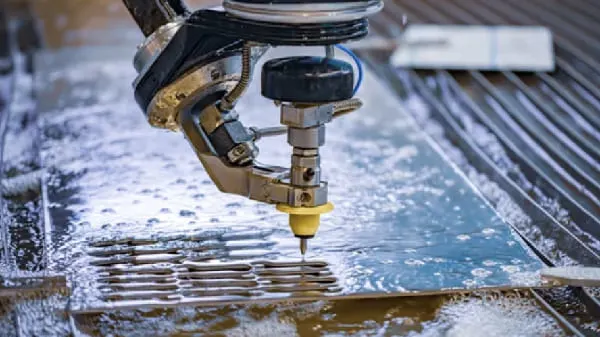
Modern fabrication relies on precise cutting and forming to minimize waste. Technologies such as laser cutting, waterjet cutting, and CNC machining allow for tighter tolerances and more efficient material usage. These processes often generate less scrap and can be programmed to optimize sheet layouts.
For specific tips on maximizing yield and minimizing waste, our article on steel stamping material yield strength considerations offers practical advice.
3. Energy-Efficient Manufacturing Processes
Switching to energy-efficient equipment and renewable power sources can dramatically lower the carbon footprint of metalworking operations. Upgrading to LED lighting, using variable speed drives on motors, and investing in high-efficiency furnaces are just a few ways to cut energy consumption.
Some facilities are also integrating solar panels or purchasing green electricity to further reduce their reliance on fossil fuels.
4. Water Conservation and Closed-Loop Systems
Metal fabrication often requires significant water for cooling, cleaning, and processing. Closed-loop water systems recycle and reuse water within the facility, reducing both consumption and wastewater discharge. Filtration and treatment technologies can also remove contaminants, allowing water to be safely reused or released.
5. Low-Emission Welding and Joining Methods
Traditional welding can release fumes and greenhouse gases. Alternatives such as friction stir welding, laser welding, and solid-state joining produce fewer emissions and often require less energy. These processes can also improve product quality and reduce the need for post-processing.
6. Smart Waste Management and Recycling
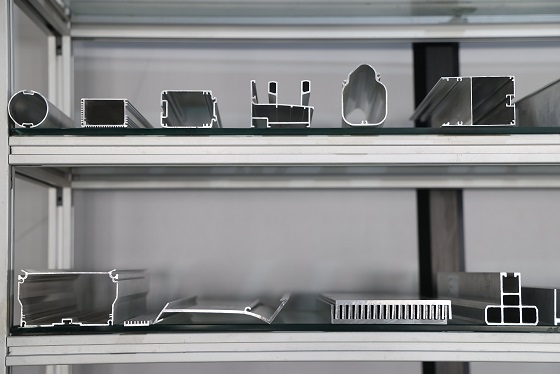
Effective scrap management is a cornerstone of sustainable metalworking. Segregating different types of scrap, reusing offcuts, and partnering with specialized recyclers can keep valuable materials in circulation. Some companies also implement “zero landfill” initiatives, aiming to divert all waste from disposal sites.
For more on protecting material surfaces and reducing waste, see our guide to best practices for stamping coated steels.
Benefits of Adopting Green Metal Fabrication Practices
Transitioning to environmentally friendly metal fabrication offers a range of advantages:
- Lower Operating Costs: Reducing energy and material use leads to direct savings.
- Regulatory Compliance: Meeting or exceeding environmental standards reduces legal risks.
- Enhanced Reputation: Demonstrating a commitment to sustainability appeals to customers and partners.
- Innovation and Efficiency: Sustainable practices often drive process improvements and innovation.
Many leading manufacturers are already seeing these benefits in action. For a deeper dive into industry trends and case studies, check out this overview of sustainable manufacturing and eco-friendly practices in metal fabrication.
Challenges and Considerations in Sustainable Metalworking
While the advantages are clear, there are also challenges to implementing greener fabrication methods. Upfront investment in new equipment or technologies can be significant. Training staff and updating processes require time and commitment. Additionally, sourcing sustainable materials may involve higher costs or supply chain complexities.
However, many of these barriers can be overcome with careful planning, government incentives, and a long-term perspective. Collaboration with suppliers, customers, and industry groups can also accelerate progress.
Integrating Sustainability Across the Metalworking Lifecycle
True sustainability in metal fabrication goes beyond the shop floor. It involves considering the entire lifecycle of products, from raw material extraction to end-of-life recycling. Design for disassembly, modular construction, and choosing materials that are easy to recycle all contribute to a more circular economy.
For example, understanding the steel stamping material grain size importance can help optimize both performance and recyclability.
Frequently Asked Questions
What are the most effective ways to reduce waste in metal fabrication?
The most effective strategies include optimizing cutting layouts, using advanced CNC and laser technologies, recycling all scrap, and reusing offcuts where possible. Implementing lean manufacturing principles and regularly reviewing processes for efficiency can also help minimize waste.
How can small fabrication shops adopt sustainable practices?
Small shops can start by recycling scrap, upgrading to energy-efficient lighting and equipment, and sourcing recycled materials. Even simple steps, like reducing packaging waste and improving process efficiency, can make a meaningful difference.
Are environmentally friendly fabrication methods more expensive?
While some sustainable technologies and materials may have higher upfront costs, they often lead to long-term savings through reduced energy use, lower waste disposal fees, and improved process efficiency. Many companies find that the investment pays off over time.
Conclusion
The transition to environmentally friendly metal fabrication is well underway, driven by both necessity and opportunity. By embracing sustainable materials, efficient technologies, and smart waste management, manufacturers can reduce their environmental impact while improving their bottom line. As the industry continues to evolve, staying informed and proactive will be key to long-term success.