
Understanding environmental policies for metal recycling is essential for businesses, manufacturers, and individuals aiming to reduce their ecological impact. These regulations shape how metals are collected, processed, and reused, ultimately helping to conserve resources, minimize pollution, and support a circular economy. As demand for metals continues to rise globally, effective policy frameworks are more important than ever for ensuring responsible recycling practices.
This guide explores the main principles, regulatory frameworks, and best practices that govern sustainable metal recovery. Along the way, you’ll find practical insights into compliance, industry trends, and the benefits of adhering to environmental standards. If you’re interested in optimizing your own metalworking processes, you may also want to read about how to optimize scrap chute angles for improved efficiency.
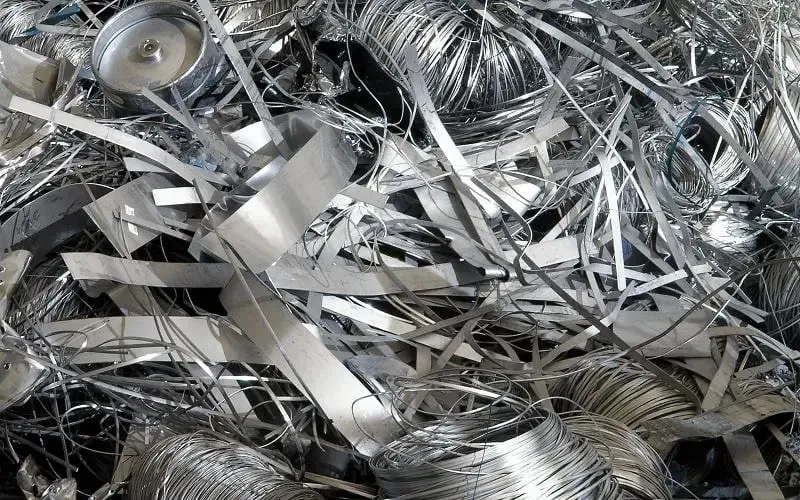
Why Environmental Regulations Matter in Metal Recovery
The recycling of metals such as steel, aluminum, copper, and non-ferrous alloys is a cornerstone of sustainable manufacturing. However, without clear environmental policies for metal recycling, the process can lead to air and water pollution, hazardous waste, and resource inefficiency. Regulatory oversight ensures that recycling operations minimize emissions, handle waste responsibly, and protect both workers and communities.
Key objectives of these policies include:
- Reducing landfill waste by diverting scrap metals from disposal sites.
- Lowering greenhouse gas emissions through energy-efficient recycling methods.
- Preventing contamination of soil and water by controlling hazardous substances.
- Promoting resource conservation by encouraging the reuse of valuable materials.
Core Principles of Sustainable Metal Recycling Policies
Most regulatory frameworks are built around several core principles that guide responsible metal recovery:
- Polluter Pays Principle: Those generating metal waste are responsible for its safe management and disposal, including the costs of environmental protection.
- Extended Producer Responsibility (EPR): Manufacturers are encouraged or required to take back and recycle their products at the end of their lifecycle, fostering eco-friendly design and closed-loop systems.
- Resource Efficiency: Policies aim to maximize the recovery of metals while minimizing energy and water use, emissions, and waste generation.
- Transparency and Traceability: Accurate record-keeping and reporting ensure that all parties comply with environmental standards and that recycled metals are not sourced from illegal or harmful activities.
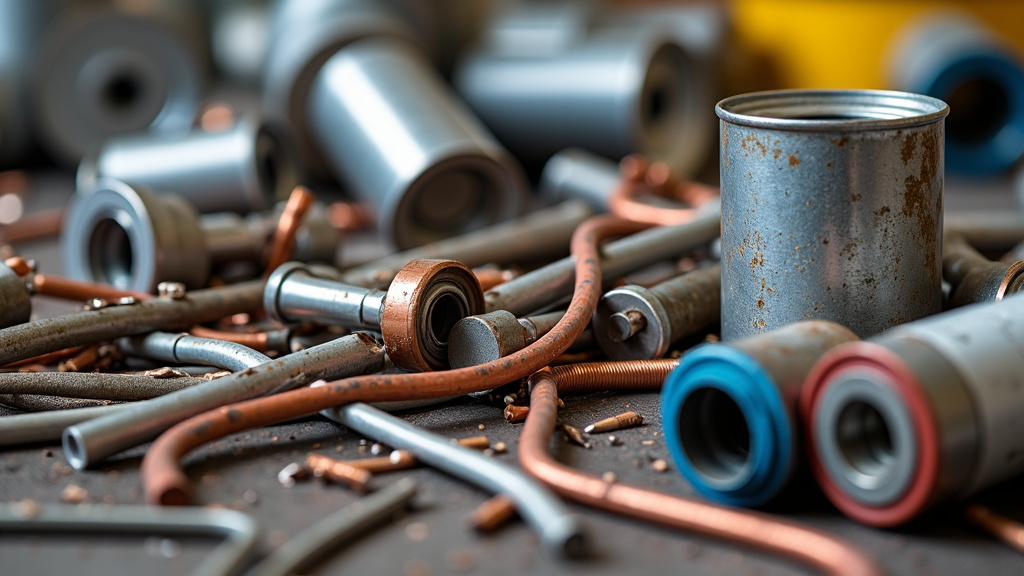
Major Regulatory Frameworks Shaping the Industry
Environmental oversight of metal recycling varies by country and region, but several international and national frameworks set the standard for compliance:
- Basel Convention: This global treaty regulates the transboundary movement of hazardous wastes, including certain metal scraps, to prevent illegal dumping and promote environmentally sound recycling.
- EU Waste Framework Directive: The European Union requires member states to implement strict controls on waste management, including targets for metal recycling rates and obligations for tracking materials.
- Resource Conservation and Recovery Act (RCRA): In the United States, RCRA governs the handling, treatment, and disposal of hazardous and non-hazardous waste, setting standards for scrap yards and recyclers.
- Local Permitting and Licensing: Most jurisdictions require recycling facilities to obtain permits, conduct environmental impact assessments, and follow best practices for pollution prevention.
For those working with specific metals, understanding the types of recyclable materials is crucial. For example, the most commonly recycled non-ferrous metals include aluminum, copper, and brass, each with unique regulatory considerations.
Best Practices for Compliance and Environmental Performance
Meeting the requirements of environmental policies for metal recycling involves more than just following the law. Leading recyclers adopt best practices that go beyond compliance to achieve superior environmental outcomes:
- Efficient Sorting and Processing: Using advanced shredders, magnets, and sorting technologies reduces contamination and maximizes recovery rates.
- Safe Handling of Hazardous Materials: Proper storage and treatment of oils, batteries, and electronic waste prevent leaks and spills.
- Energy and Water Conservation: Implementing closed-loop water systems and energy-efficient equipment cuts resource use and emissions.
- Employee Training: Regular training ensures staff understand safety protocols and environmental responsibilities.
- Community Engagement: Transparent communication with local communities builds trust and helps address concerns about noise, traffic, or pollution.
For manufacturers, integrating recycling-friendly design—such as using fewer coatings or mixed materials—can simplify compliance and improve recyclability. If you work with coated steels, you may find it helpful to review best practices for stamping coated steels to avoid contamination during recycling.
Challenges and Opportunities in Policy Implementation
While the benefits of strong environmental oversight are clear, the industry faces several challenges in putting these policies into practice:
- Complexity of Regulations: Navigating overlapping local, national, and international rules can be difficult, especially for small recyclers.
- Market Fluctuations: Changes in commodity prices can affect the economic viability of recycling certain metals.
- Technological Barriers: Upgrading equipment to meet new standards may require significant investment.
- Illegal Dumping and Informal Sector: Unregulated operations can undermine legitimate recyclers and harm the environment.
Despite these obstacles, there are significant opportunities for innovation. Digital tracking systems, improved sorting technologies, and collaborative industry initiatives are helping to streamline compliance and boost recycling rates. For those interested in material properties, the article on steel stamping material yield strength considerations offers insights into how material selection can impact recyclability and compliance.
Benefits of Adhering to Environmental Standards
Complying with environmental policies for metal recycling delivers a range of advantages for businesses, communities, and the planet:
- Reduced Environmental Impact: Lower emissions, less waste, and cleaner communities.
- Economic Efficiency: Conserving raw materials and energy lowers production costs and supports green jobs.
- Legal Protection: Avoiding fines, penalties, and reputational damage from non-compliance.
- Market Access: Meeting regulatory standards is often required to sell recycled metals in global markets.
- Corporate Responsibility: Demonstrating a commitment to sustainability enhances brand value and stakeholder trust.
For those seeking to further optimize their processes, learning about steel stamping material grain size importance can help improve both product quality and recycling outcomes.
Frequently Asked Questions
What are the main environmental risks associated with metal recycling?
The primary risks include air and water pollution from improper handling of hazardous substances, soil contamination, and greenhouse gas emissions. Strict adherence to environmental guidelines helps mitigate these risks and ensures safe recycling operations.
How do environmental policies impact the cost of metal recycling?
While compliance may require investment in equipment and training, it often leads to long-term savings by reducing waste, improving efficiency, and avoiding legal penalties. Additionally, meeting environmental standards can open up new markets and business opportunities.
What role do manufacturers play in supporting sustainable metal recycling?
Manufacturers can support sustainability by designing products for easier recycling, participating in take-back programs, and collaborating with certified recyclers. Extended producer responsibility policies encourage companies to consider the full lifecycle of their products.