
Understanding the difference between hot and cold steel stamping is essential for manufacturers, engineers, and procurement specialists who work with metal forming processes. Both methods play a significant role in shaping steel into components for automotive, construction, electronics, and countless other industries. However, their processes, advantages, and ideal applications differ in important ways. This article provides a clear comparison, highlighting how each technique works, their benefits, and what factors to consider when choosing between them.
Before diving into the technical distinctions, it’s helpful to recognize that steel stamping is a core manufacturing process used to produce high-precision parts at scale. Whether you’re optimizing part ejection, managing material yield strength, or seeking best practices for stamping coated steels, knowing which stamping method suits your needs can impact quality, cost, and efficiency.
What Is Steel Stamping?
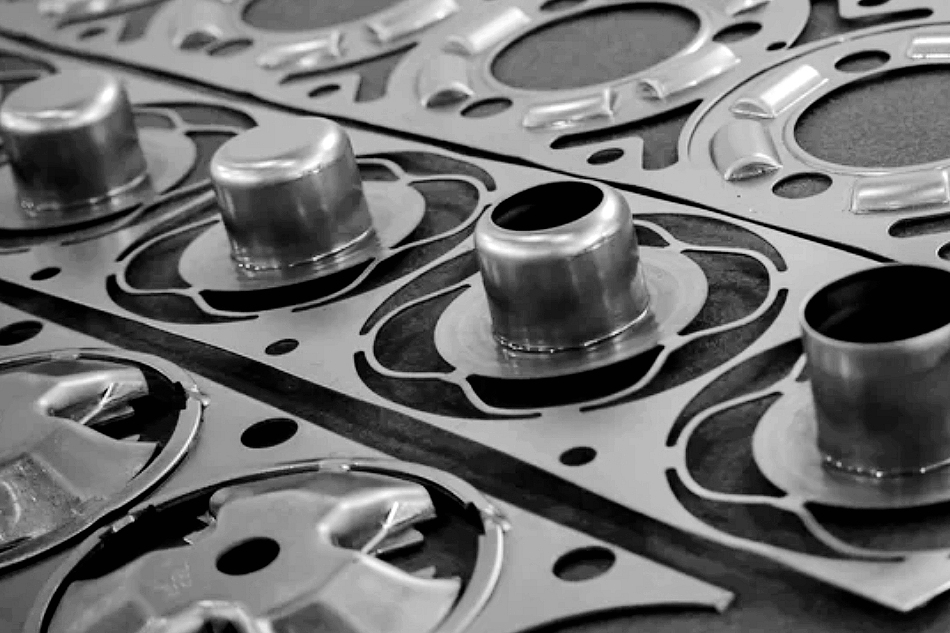
Steel stamping is a metal forming process where flat sheets of steel are placed into a stamping press and shaped into desired forms using dies and high pressure. The process can be performed at different temperatures, resulting in two primary categories: hot stamping and cold stamping. Each method changes the steel’s properties and is chosen based on the part’s requirements, complexity, and intended use.
Process Overview: Hot vs. Cold Stamping
To clarify the difference between hot and cold steel stamping, it’s important to understand how each process works:
- Hot Stamping: Steel is heated above its recrystallization temperature (typically 900–950°C), making it malleable and easier to form complex shapes. The heated steel is then transferred to a die, stamped, and rapidly cooled (quenched) to set its final shape and properties.
- Cold Stamping: Steel is formed at or near room temperature. The material is not heated beforehand, so it retains its original hardness and strength throughout the process. Cold stamping relies on high-pressure mechanical force to shape the steel.
Key Differences in Material Properties
The temperature at which steel is stamped has a direct effect on its mechanical properties and performance. Here’s how the two methods compare:
| Aspect | Hot Stamping | Cold Stamping |
|---|---|---|
| Formability | Excellent for complex, deep-drawn shapes | Best for simple or moderately complex shapes |
| Strength | High after quenching (martensitic structure) | Good, but may require additional hardening |
| Surface Finish | May require post-processing due to oxidation | Smoother, often ready for finishing |
| Dimensional Accuracy | Can be affected by thermal expansion/contraction | Typically higher precision |
| Tool Wear | Lower, as heated steel is softer during forming | Higher, due to the hardness of cold steel |
Advantages of Hot Stamping
Hot stamping is preferred when manufacturing parts that require high strength and complex geometries. Some notable benefits include:
- Enhanced formability: Heating steel allows for intricate shapes and deeper draws without cracking.
- Superior strength: The quenching process results in a martensitic structure, making parts ideal for safety-critical applications like automotive crash components.
- Reduced springback: The rapid cooling locks the steel into its new shape, minimizing distortion.
However, hot stamping requires specialized equipment for heating and quenching, and the process can introduce scale or oxidation that may need to be removed afterward.
Benefits of Cold Stamping
Cold stamping offers its own set of advantages, particularly for high-volume production of simpler parts:
- Cost efficiency: No need for heating equipment, resulting in lower energy consumption and faster cycle times.
- Better surface finish: Parts often emerge with a smoother surface, reducing the need for additional finishing steps.
- Higher dimensional accuracy: Minimal thermal expansion means tighter tolerances can be achieved.
Cold stamping is best suited for parts where extreme strength is not the primary requirement, or where high production speed and cost control are priorities.
When to Choose Hot or Cold Steel Stamping?
Deciding between hot and cold stamping depends on several factors:
- Part complexity: Choose hot stamping for intricate, deep-drawn, or high-strength parts. Cold stamping is ideal for simple, flat, or shallow-formed components.
- Material thickness: Thicker materials are often easier to form with heat, while thinner sheets can be efficiently stamped cold.
- Production volume: Cold stamping is generally more cost-effective for large runs of basic parts, while hot stamping is justified for specialized, high-performance components.
- Surface requirements: If a premium finish is required, cold stamping may be preferable.
For more on optimizing your stamping process, consider reading about how to optimize scrap chute angles or reviewing steel stamping material yield strength considerations to ensure you’re selecting the right method for your project.
Applications and Industry Examples
Both hot and cold stamping methods are widely used, but their applications differ:
- Automotive: Hot stamping is common for structural and safety parts (e.g., B-pillars, door beams), while cold stamping is used for brackets, panels, and fasteners.
- Construction: Cold-stamped steel is often found in framing, connectors, and hardware due to its cost-effectiveness and precision.
- Consumer goods: Appliances and electronics often use cold-stamped components for their smooth finish and tight tolerances.
Safety and process optimization are crucial in both methods. For a comprehensive overview of safety procedures, see this guide to sheet metal forming die operations safety.
Challenges and Considerations
Each stamping process presents unique challenges:
- Hot stamping: Requires precise temperature control, quick transfer to dies, and effective quenching. Managing oxidation and scale is also necessary.
- Cold stamping: Tool wear can be significant due to the hardness of the steel, and springback may affect part accuracy.
To further improve production outcomes, explore the benefits of vacuum systems in steel stamping or learn how to optimize part ejection in stamping for higher efficiency and reduced downtime.
FAQ: Hot and Cold Steel Stamping
What is the main difference between hot and cold steel stamping?
The primary distinction lies in the temperature at which the steel is formed. Hot stamping involves heating the steel above its recrystallization point for enhanced formability and strength, while cold stamping shapes the steel at room temperature, offering better surface finish and dimensional accuracy.
Which method is better for high-strength automotive parts?
Hot stamping is generally preferred for high-strength automotive components, especially those that must absorb impact or provide structural integrity. The process produces parts with a martensitic structure, resulting in superior strength and crash performance.
Does cold stamping always produce a better surface finish?
Cold stamping typically results in a smoother surface because the steel is not exposed to high temperatures that can cause oxidation or scaling. However, the final finish also depends on the quality of the dies and the cleanliness of the process.
Are there cost differences between the two methods?
Yes, cold stamping is usually more cost-effective for large production runs of simple parts due to lower energy consumption and faster cycle times. Hot stamping, while more expensive, is justified for parts requiring high strength and complex shapes.