
Working with high-strength low-alloy (HSLA) steel in metal stamping operations presents unique challenges and opportunities. As industries demand lighter, stronger, and more durable components, HSLA steels have become a preferred material thanks to their excellent strength-to-weight ratio and enhanced mechanical properties. However, these same properties require careful consideration during stamping to ensure part quality, tool longevity, and process efficiency.
This article explores best practices for stamping high-strength low-alloy steel, offering practical guidance for manufacturers, engineers, and operators. We’ll cover essential process adjustments, tooling recommendations, defect prevention, and safety measures to help you achieve consistent, high-quality results with HSLA materials.
For those looking to optimize edge quality or document their processes, resources like steel stamping edge quality optimization and how to document steel stamping processes provide valuable technical insights.
Understanding HSLA Steel Properties and Their Impact on Stamping
HSLA steels are engineered to provide higher mechanical strength and improved resistance to corrosion compared to conventional carbon steels. Their composition typically includes small amounts of alloying elements such as niobium, vanadium, or titanium, which enhance strength without significantly increasing weight.
- Higher yield strength means more force is required for forming and cutting operations.
- Lower ductility compared to mild steel increases the risk of cracking or tearing during aggressive forming.
- Improved toughness and fatigue resistance make HSLA ideal for automotive, construction, and heavy machinery applications.
These characteristics necessitate adjustments in die design, press selection, and process parameters to avoid common stamping issues such as excessive tool wear, burr formation, or dimensional inaccuracies.
Tooling and Equipment Adjustments for HSLA Stamping
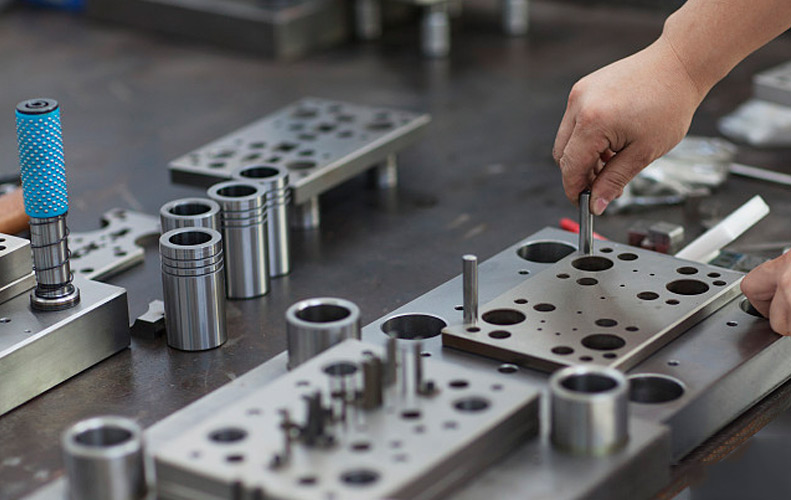
One of the most critical best practices for stamping high-strength low-alloy steel is selecting and maintaining appropriate tooling. The increased strength of HSLA materials accelerates tool wear and can cause premature failure if not addressed proactively.
- Tool steel selection: Use high-quality, wear-resistant tool steels (such as D2, M2, or carbide) for dies and punches. Consider surface treatments like nitriding or coatings (TiN, TiCN) to extend tool life.
- Die clearance: Increase die clearance by 10–20% over standard values for mild steel to reduce burrs and minimize edge cracking.
- Press capacity: Ensure the press has sufficient tonnage and rigidity to handle the higher forming forces required by HSLA. Undersized presses can lead to incomplete forming and accelerated wear.
- Lubrication: Apply high-performance lubricants to reduce friction, prevent galling, and improve surface finish.
Regular inspection and maintenance of tooling are essential to prevent unexpected downtime and maintain part quality.
Process Control and Defect Prevention
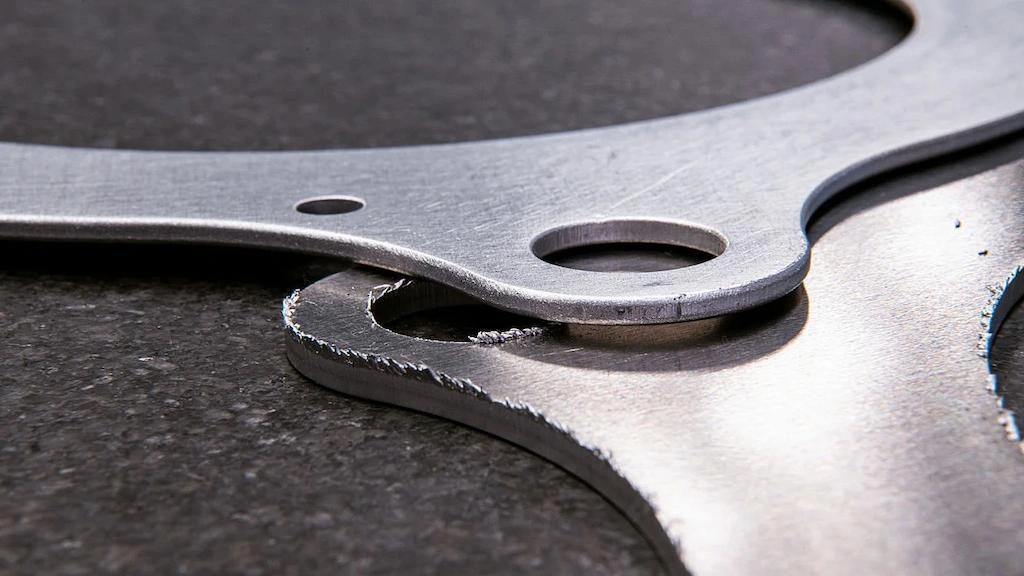
Maintaining tight process control is vital when working with HSLA steels. The risk of defects such as burrs, cracks, or springback is higher due to the material’s strength and lower ductility. Here are several strategies to minimize these issues:
- Optimize blank holder force: Too much force can cause splitting, while too little may result in wrinkling. Adjust based on material thickness and part geometry.
- Monitor forming speed: Slower forming speeds reduce the risk of cracking and improve dimensional accuracy, especially for complex shapes.
- Control material flow: Use draw beads or tailored die radii to guide material flow and prevent thinning or tearing.
- Inspect edges: Regularly check for burrs and edge cracks. Consider referencing best practices for stamping coated steels for additional tips on surface protection and edge quality.
Implementing in-process inspections and using statistical process control (SPC) can help identify trends before defects become widespread.
Safety, Training, and Compliance in HSLA Stamping Operations
Due to the higher forces involved and the risk of tool failure, safety is paramount when stamping HSLA steels. Operators should be trained in the specific hazards associated with these materials and the equipment used.
- Follow lockout/tagout procedures during tool changes and maintenance.
- Use appropriate personal protective equipment (PPE), including gloves and eye protection.
- Provide ongoing training on safe operation and emergency procedures. For more guidance, see how to train operators for steel stamping safety.
- Document all processes and safety checks to ensure compliance with industry standards. Refer to how to document steel stamping processes for detailed steps.
For a comprehensive overview of safety protocols in stamping, consult resources like ensuring safety in steel stamping parts production.
Optimizing Press Stroke and Die Design for HSLA Materials
Another key aspect of best practices for stamping high-strength low-alloy steel is optimizing press stroke length and die geometry. HSLA’s higher yield strength means that forming operations require more precise control to avoid overworking the material or damaging the tooling.
- Choose a press with adjustable stroke length to accommodate different part geometries and reduce unnecessary movement.
- Design dies with generous radii and smooth transitions to minimize stress concentrations and prevent cracking.
- Utilize finite element analysis (FEA) during die development to predict material flow and identify potential problem areas before production begins.
For more information on selecting the right press stroke length, see how to select the right press stroke length.
Frequently Asked Questions
What are the most common defects when stamping HSLA steel and how can they be prevented?
The most frequent issues include edge cracking, excessive burrs, and springback. Prevention strategies involve increasing die clearance, using proper tool steels, optimizing blank holder force, and applying high-quality lubricants. Regular inspection and process monitoring are also essential.
How does HSLA steel affect tool life compared to mild steel?
HSLA’s higher strength accelerates tool wear, especially if standard tool steels or insufficient die clearances are used. Upgrading to wear-resistant tool materials, applying surface coatings, and increasing maintenance frequency can significantly extend tool life.
Are there special safety considerations for stamping HSLA materials?
Yes, due to higher forming forces and the risk of tool failure, enhanced safety protocols are necessary. Operators should receive specialized training, use appropriate PPE, and follow strict lockout/tagout procedures. Comprehensive process documentation and regular audits help maintain compliance and workplace safety.
Conclusion
Successfully working with HSLA steel in stamping operations requires a thoughtful approach to tooling, process control, and safety. By understanding the unique properties of these materials and implementing proven best practices for stamping high-strength low-alloy steel, manufacturers can achieve superior part quality, reduce downtime, and extend tool life. Ongoing training, regular maintenance, and leveraging technical resources will further support efficient and reliable production.