
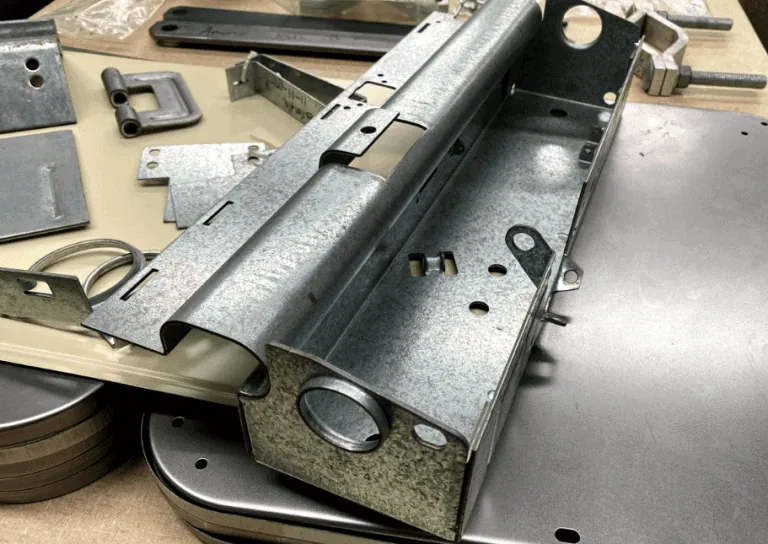
Galvanized steel is a popular material in manufacturing due to its corrosion resistance and durability. However, working with this coated metal presents unique challenges, especially during stamping operations. Understanding the best practices for stamping galvanized steel can help manufacturers maintain coating integrity, achieve precise shapes, and extend tool life. This article explores proven methods, common pitfalls, and practical tips to ensure successful outcomes when forming galvanized steel parts.
Whether you’re producing automotive panels, HVAC components, or construction hardware, optimizing your stamping process for galvanized materials is essential. The right approach minimizes coating damage, reduces scrap, and supports consistent quality. For those interested in broader strategies for coated metals, see our guide on best practices for stamping coated steels for additional insights.
Understanding Galvanized Steel and Its Stamping Challenges
Galvanized steel is created by coating steel with a layer of zinc, typically through hot-dip galvanizing or electro-galvanizing. This zinc layer protects the underlying steel from corrosion but also introduces certain considerations during stamping:
- Coating Damage: The zinc layer can crack, flake, or wear off if not handled properly, reducing corrosion resistance.
- Tool Wear: Zinc is abrasive and can accelerate die wear, leading to more frequent maintenance.
- Lubrication Needs: The surface characteristics of galvanized steel can affect lubricant selection and performance.
- Edge Quality: Maintaining clean, burr-free edges is more challenging due to the coating’s properties.
By recognizing these challenges, manufacturers can implement targeted solutions to improve outcomes and reduce production costs.
Material Preparation and Selection for Optimal Results
Proper preparation of galvanized steel before stamping is a foundational step. Here are key considerations:
- Coating Thickness: Choose a zinc coating thickness that balances corrosion protection with formability. Thicker coatings can be more prone to cracking during deep draws or complex shapes.
- Surface Cleanliness: Ensure the material is free from oils, dirt, or previous processing residues that could interfere with stamping or lubrication.
- Material Grade: Select steel grades compatible with your forming requirements. Some grades are specifically designed for better ductility and coating adherence.
Working closely with material suppliers can help you source galvanized steel optimized for your specific stamping applications.
Die Design and Maintenance: Key to Quality Stamping
Effective die design is critical for stamping galvanized steel without compromising coating integrity. Consider these best practices:
- Die Material Selection: Use wear-resistant tool steels or apply surface treatments (such as nitriding or PVD coatings) to extend die life and reduce zinc buildup.
- Die Clearance: Adjust die clearances to accommodate the additional thickness of the zinc layer, preventing excessive burrs and minimizing coating damage.
- Regular Maintenance: Inspect and clean dies frequently to remove zinc deposits, which can cause galling or surface defects.
- Edge Radii: Incorporate generous radii on forming tools to reduce stress concentrations and avoid cracking the zinc coating.
For more technical guidance on achieving smooth edges, our article on steel stamping edge quality optimization offers in-depth recommendations.
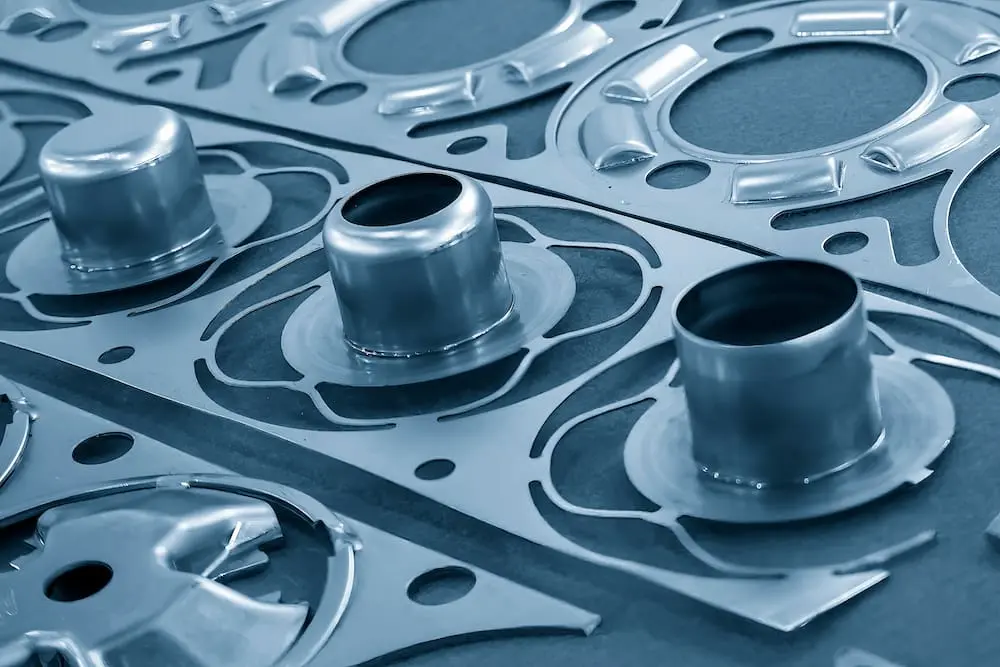
Lubrication Strategies for Galvanized Steel Stamping
Lubrication plays a vital role in protecting both the zinc coating and stamping tools. The right lubricant reduces friction, prevents galling, and helps maintain coating integrity. Consider these guidelines:
- Lubricant Compatibility: Choose lubricants specifically formulated for galvanized surfaces. Some standard metalworking fluids may react with zinc and cause staining or corrosion.
- Application Method: Apply lubricant evenly and in sufficient quantity to all contact areas. Automated spray systems can improve consistency.
- Post-Stamping Cleaning: Remove residual lubricants promptly to prevent issues in downstream processes such as welding or painting.
Testing different lubricants on sample parts can help identify the best option for your production line.
Process Control and Operator Training
Consistent process control is essential for high-quality stamping of galvanized steel. Key aspects include:
- Press Settings: Adjust press speed, stroke, and force to minimize coating damage and achieve precise shapes.
- Quality Checks: Implement regular inspections for coating cracks, flaking, and edge burrs. Use non-destructive testing methods where possible.
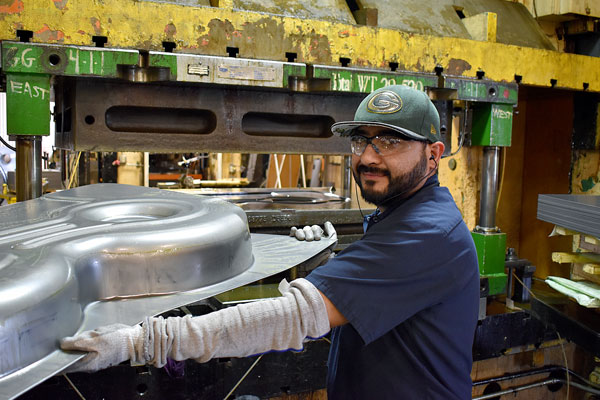
- Operator Training: Ensure operators understand the unique requirements of galvanized steel. Training should cover proper handling, die cleaning, and troubleshooting common defects.
For a comprehensive approach to safety and compliance, see our resource on how to train operators for steel stamping safety.
Common Defects and How to Prevent Them
Stamping galvanized steel can result in several types of defects if not managed carefully. Here are some common issues and prevention tips:
| Defect | Cause | Prevention |
|---|---|---|
| Coating Flaking | Excessive forming, sharp die edges, inadequate lubrication | Use proper die radii, select suitable lubricants, optimize forming parameters |
| Edge Burrs | Incorrect die clearance, dull tooling | Maintain sharp dies, adjust clearances for coating thickness |
| Galling | Zinc buildup on dies, insufficient lubrication | Clean dies regularly, use compatible lubricants |
| Surface Scratches | Contaminants, rough die surfaces | Ensure material cleanliness, polish die surfaces |
Addressing these issues proactively helps maintain part quality and reduces rework or scrap rates.
Advanced Tips for High-Volume Production
For manufacturers running high-volume stamping operations, additional strategies can further improve efficiency and quality:
- Automated Die Cleaning: Integrate automated cleaning systems to remove zinc buildup without interrupting production.
- Progressive Dies: Use progressive die setups to streamline multi-stage forming and reduce handling of galvanized parts.
- Real-Time Monitoring: Implement sensors and monitoring systems to detect coating defects or tool wear early in the process.
- Secondary Operations: Plan for secondary processes such as deburring or passivation to enhance finished part performance. For more on this, see our article on steel stamping secondary operation considerations.
These advanced methods help maintain consistent output and reduce downtime in demanding production environments.
Safety Considerations in Galvanized Steel Stamping
Ensuring a safe work environment is paramount when stamping galvanized steel. The process can generate zinc dust and fumes, especially during high-speed operations or secondary processes like welding. To protect workers:
- Provide adequate ventilation and dust extraction systems.
- Use personal protective equipment (PPE) such as gloves and safety glasses.
- Train staff on safe material handling and emergency procedures.
For a detailed overview of safety protocols, refer to this comprehensive guide to safety in the metal stamping industry.
Frequently Asked Questions
What is the main challenge when stamping galvanized steel?
The primary challenge is preserving the zinc coating’s integrity during forming. The coating can crack, flake, or wear away if not handled with the right die design, lubrication, and process controls.
How can I reduce tool wear when stamping galvanized steel?
Use wear-resistant die materials, apply surface treatments, and select lubricants compatible with zinc coatings. Regular die maintenance and cleaning are also essential to prevent zinc buildup and galling.
Is it possible to stamp complex shapes with galvanized steel?
Yes, but it requires careful planning. Use appropriate die radii, optimize press settings, and select material grades with good ductility. Testing prototypes before full-scale production can help identify and resolve potential issues.
Conclusion
Implementing the best practices for stamping galvanized steel ensures high-quality, durable parts while minimizing production costs and defects. From material selection and die design to lubrication and operator training, each step plays a crucial role in achieving reliable results. By staying informed and continuously refining your processes, you can maximize the benefits of galvanized steel in your stamping operations.