
Reducing metal waste is a top priority for manufacturers aiming to improve efficiency, lower costs, and meet sustainability goals. With increasing pressure from regulatory bodies and customers to minimize environmental impact, factories are seeking actionable strategies to cut down on scrap and optimize material use. Implementing best practices for metal waste reduction not only benefits the environment but also strengthens a company’s bottom line by maximizing resource utilization and minimizing disposal expenses.
This article explores proven methods to minimize metal waste in industrial settings, from process improvements to employee training and advanced recycling techniques. By adopting these strategies, manufacturers can stay competitive and contribute to a more sustainable future. For those interested in the latest advancements, you can also learn about innovations in metal recycling technology that are shaping the industry.
Understanding the Sources of Metal Waste
Before implementing any reduction program, it’s essential to identify where and how waste is generated. Common sources include:
- Off-cuts and trimmings from cutting, stamping, or machining operations
- Defective parts due to process errors or equipment malfunctions
- Overproduction and excessive inventory
- Material handling losses during transport or storage
A thorough assessment of production lines and workflows helps pinpoint inefficiencies and prioritize improvement efforts. Tools such as value stream mapping in the metals industry can provide valuable insights into waste streams and opportunities for optimization.
Process Optimization for Scrap Reduction
One of the most effective ways to minimize waste is by refining manufacturing processes. Here are several approaches:
- Lean Manufacturing: Adopting lean principles helps eliminate unnecessary steps, reduce overproduction, and streamline workflows. Continuous improvement initiatives like Kaizen can further drive down scrap rates.
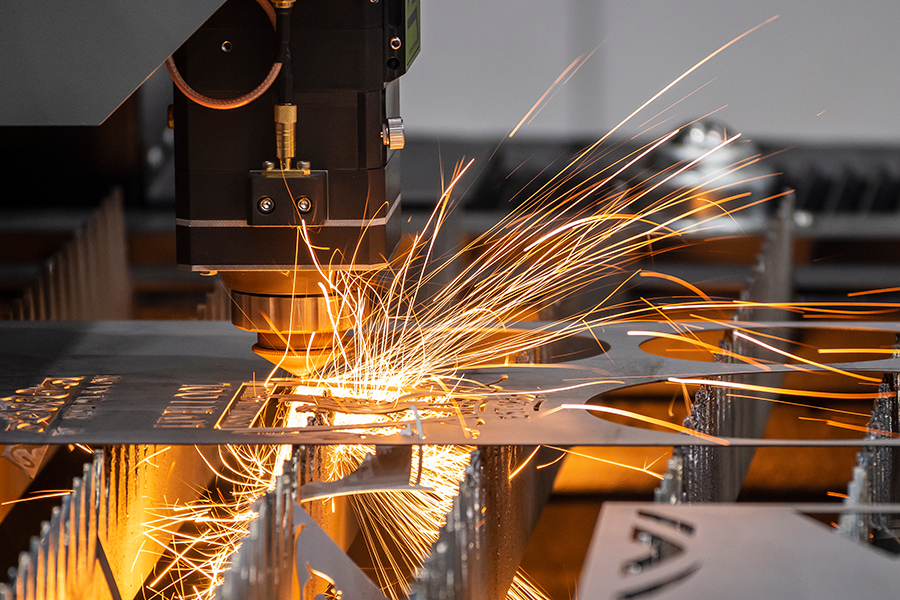
- Precision Cutting and Nesting: Using advanced software for nesting parts maximizes material usage by arranging shapes to minimize off-cuts. Investing in high-precision equipment also reduces errors and defective products.
- Regular Equipment Maintenance: Well-maintained machinery operates more accurately, reducing the likelihood of producing defective parts and minimizing breakdown-related waste.
Employee Training and Engagement
Workforce involvement is critical in any waste reduction initiative. Employees who understand the importance of minimizing scrap are more likely to follow procedures and suggest improvements. Consider the following steps:
- Provide regular training on correct machine operation and material handling
- Encourage feedback and suggestions from operators who are closest to the production process
- Set clear targets for waste reduction and recognize achievements
A culture of accountability and continuous improvement ensures that best practices are consistently applied across all shifts and departments.
Material Selection and Inventory Management
Choosing the right materials and managing inventory efficiently can significantly impact waste levels. Factories should:
- Work closely with suppliers to source materials in optimal sizes and formats, reducing the need for excessive trimming
- Implement just-in-time inventory systems to prevent overstocking and material degradation
- Regularly review material usage patterns to identify opportunities for standardization and bulk purchasing
For further insights into sourcing strategies, explore supplier waste reduction programs in metals to enhance collaboration and reduce upstream waste.
Advanced Recycling and Reuse Strategies
Recycling is a cornerstone of sustainable metal manufacturing. However, advanced strategies go beyond basic scrap collection:
- Closed-Loop Recycling: Establishing systems to capture and reprocess scrap within the same facility reduces reliance on external recyclers and keeps valuable materials in-house.
- Segregation of Scrap: Sorting waste by alloy or grade increases its value and makes recycling more efficient.
- Collaboration with Recyclers: Partnering with specialized recycling companies can unlock new revenue streams and ensure compliance with environmental regulations.
To stay ahead, manufacturers should keep up with future trends in sustainable metal manufacturing and invest in technologies that support circular economy principles.
Energy Efficiency and Waste Heat Recovery
Energy-intensive processes often generate both material and energy waste. Integrating waste heat recovery in steel plants and other facilities can lower overall waste and reduce operating costs. By capturing and reusing heat from furnaces or other equipment, manufacturers can:
- Improve energy efficiency and lower emissions
- Reduce the need for additional fuel or electricity
- Support broader sustainability initiatives
Combining energy-saving measures with scrap reduction strategies amplifies the environmental and financial benefits.
Monitoring, Measurement, and Continuous Improvement
Effective waste reduction requires ongoing monitoring and data-driven decision-making. Factories should:
- Track scrap rates and material yields for each process or product line
- Set measurable goals and review progress regularly
- Use root cause analysis to address recurring issues
Leveraging digital tools and analytics can help identify trends, benchmark performance, and highlight areas for further improvement.
Industry Collaboration and Regulatory Compliance
Staying informed about industry standards and regulations is crucial. Participating in sector-wide initiatives and collaborating with other manufacturers can lead to shared best practices and innovative solutions. For example, reviewing guidance on how to reduce waste in industrial scrap metal processing can provide additional perspectives and actionable tips.
Compliance with environmental regulations not only avoids penalties but also enhances a company’s reputation with customers and stakeholders.
FAQ: Metal Waste Reduction in Manufacturing
What are the main benefits of reducing metal waste in factories?
Cutting down on scrap leads to lower material costs, improved profitability, and a smaller environmental footprint. It also helps companies comply with regulations and meet customer expectations for sustainability.
How can factories start implementing waste reduction strategies?
Begin by assessing current waste streams and identifying major sources of scrap. Engage employees, invest in process improvements, and set clear, measurable targets. Regular training and continuous monitoring are key to long-term success.
What role does technology play in minimizing metal waste?
Modern software for nesting, automation, and data analytics enables more precise manufacturing and better tracking of material usage. Innovations in recycling and energy recovery further enhance waste reduction efforts.