
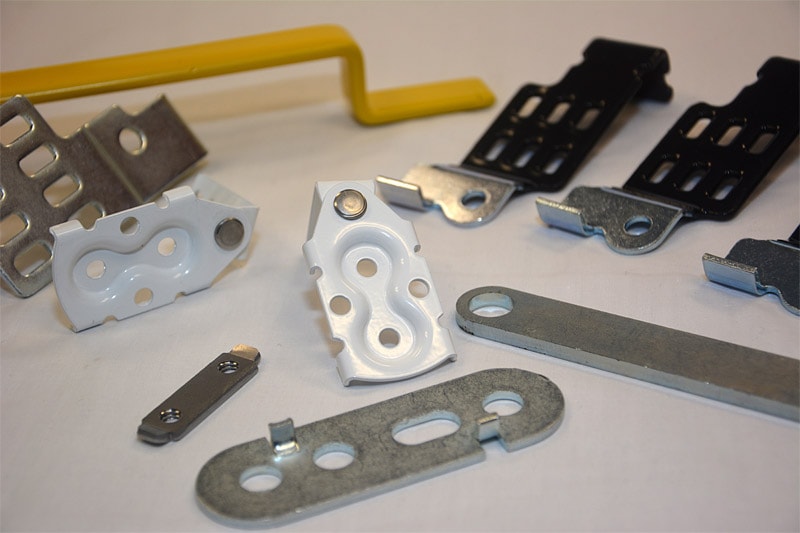
Deep draw steel stamping is a specialized metal forming process that enables manufacturers to produce complex, high-strength components with tight tolerances. As demand grows for lightweight, durable parts in industries like automotive, aerospace, and electronics, mastering best practices for deep draw steel stamping is essential for achieving consistent quality and cost efficiency.
This article explores the most effective strategies for optimizing deep draw operations, from material selection and tool design to process control and maintenance. Whether you’re an engineer, production manager, or quality specialist, understanding these guidelines will help you minimize defects, extend tool life, and streamline production.
For those working with coated metals, you may also find value in reviewing the best practices for stamping coated steels to prevent surface damage and maintain part integrity.
Understanding the Deep Draw Stamping Process
Deep drawing involves forming flat sheet metal into a three-dimensional shape by mechanically pushing the material into a die cavity with a punch. This method is ideal for producing cylindrical, box-shaped, or irregular components with significant depth compared to their diameter. Key process variables include blank size, draw ratio, punch and die geometry, and lubrication.
A successful deep draw operation requires careful control of material flow to avoid defects such as wrinkling, tearing, or excessive thinning. By following proven techniques for deep draw steel stamping, manufacturers can consistently achieve high-quality results.
Material Selection and Preparation
Choosing the right steel grade and preparing it properly are foundational steps in any deep draw project. Consider the following factors:
- Material Ductility: Select low-carbon steels or specialty alloys with high elongation and uniform grain structure. These materials are less prone to cracking or tearing during forming.
- Surface Condition: Ensure the sheet is free from scale, rust, or contaminants. Clean surfaces reduce friction and improve drawability.
- Thickness Tolerance: Consistent sheet thickness helps maintain uniform material flow and prevents localized thinning or failure.
For applications requiring additional forming or finishing, review steel stamping secondary operation considerations to ensure compatibility with downstream processes.
Tooling Design for Deep Draw Success
Tooling is a critical factor in achieving reliable deep draw results. Incorporate these best practices for deep draw steel stamping into your die and punch design:
- Die Radii: Use generous die and punch radii to promote smooth material flow and reduce the risk of tearing.
- Blank Holder Force: Apply sufficient force to control wrinkling without restricting material movement. Adjustable blank holders can help fine-tune this parameter.
- Surface Finish: Maintain a smooth, polished finish on die and punch surfaces to minimize friction and wear.
- Alignment: Ensure precise alignment of all tooling components to prevent uneven draw and tool damage.
Regular inspection and maintenance are essential. For a comprehensive approach, consult a detailed die maintenance guide to keep your tools in optimal condition.
Process Control and Quality Assurance
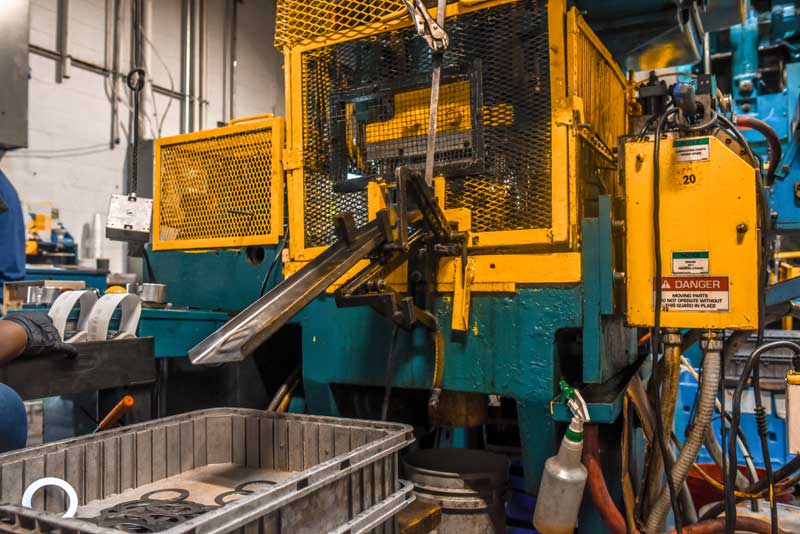
Maintaining tight control over process variables is vital for minimizing scrap and ensuring part consistency. Key areas to monitor include:
- Lubrication: Use high-quality lubricants to reduce friction and prevent galling. Monitor application rates to avoid excess runoff, which can cause contamination or safety hazards. For more on this, see how to manage lubrication runoff in stamping.
- Press Speed: Adjust press speed to match material and part geometry. Too fast can cause tearing; too slow may increase cycle time and costs.
- Draw Ratio: Keep the draw ratio within recommended limits for your material to avoid overstressing the steel.
- Inspection: Implement in-process inspection for thickness, surface finish, and dimensional accuracy. Early detection of issues reduces rework and downtime.
Operator training is another key factor. Well-trained personnel can identify problems early and make informed adjustments. For guidance, refer to how to train operators for steel stamping safety to ensure compliance and safe operation.
Optimizing Edge Quality and Secondary Operations
Edge quality is especially important for parts that require further forming, welding, or assembly. Poorly cut or finished edges can lead to cracks, stress risers, or assembly issues. To achieve optimal results:
- Use sharp, well-maintained cutting tools to produce clean edges.
- Deburr and finish edges as needed to remove sharpness or irregularities.
- Monitor edge quality throughout production, especially after tool changes or maintenance.
For a more technical perspective, explore steel stamping edge quality optimization for insights on improving cut and formed edge integrity.

Common Defects and Troubleshooting Tips
Even with careful planning, issues can arise during deep draw operations. Some of the most frequent problems include:
- Wrinkling: Caused by insufficient blank holder force or excessive material. Increase holder pressure or reduce blank size.
- Tearing: Often results from sharp die radii, excessive draw ratio, or poor lubrication. Soften radii, reduce draw depth, and check lubricant application.
- Thinning: Indicates overstretching of the material. Adjust draw ratio or select a more ductile steel grade.
- Surface Galling: Due to inadequate lubrication or rough tool surfaces. Improve lubrication and polish tooling.
Regular process audits and data collection can help identify trends and prevent recurring issues, supporting long-term process improvement.
FAQ
What Is the Most Important Factor in Deep Draw Steel Stamping?
The most critical factor is controlling material flow to prevent defects like wrinkling and tearing. This involves selecting the right steel, optimizing die design, and maintaining proper lubrication and blank holder force.
How Can I Extend Tool Life in Deep Draw Operations?
Tool life can be extended by using high-quality tool steels, maintaining smooth surface finishes, applying effective lubrication, and following a regular maintenance schedule. For detailed advice, refer to a comprehensive die maintenance guide.
What Are the Best Ways to Reduce Scrap Rates?
To minimize scrap, ensure consistent material quality, monitor process variables closely, and implement in-process inspections. Training operators to recognize and address issues early also plays a significant role in reducing waste.
Conclusion
Achieving reliable results in deep draw steel stamping requires a holistic approach that combines material science, precision tooling, process control, and skilled personnel. By applying these best practices for deep draw steel stamping, manufacturers can produce high-quality parts efficiently while minimizing defects and downtime. Staying informed about the latest techniques and continuously refining your process will keep your operations competitive in a demanding market.