
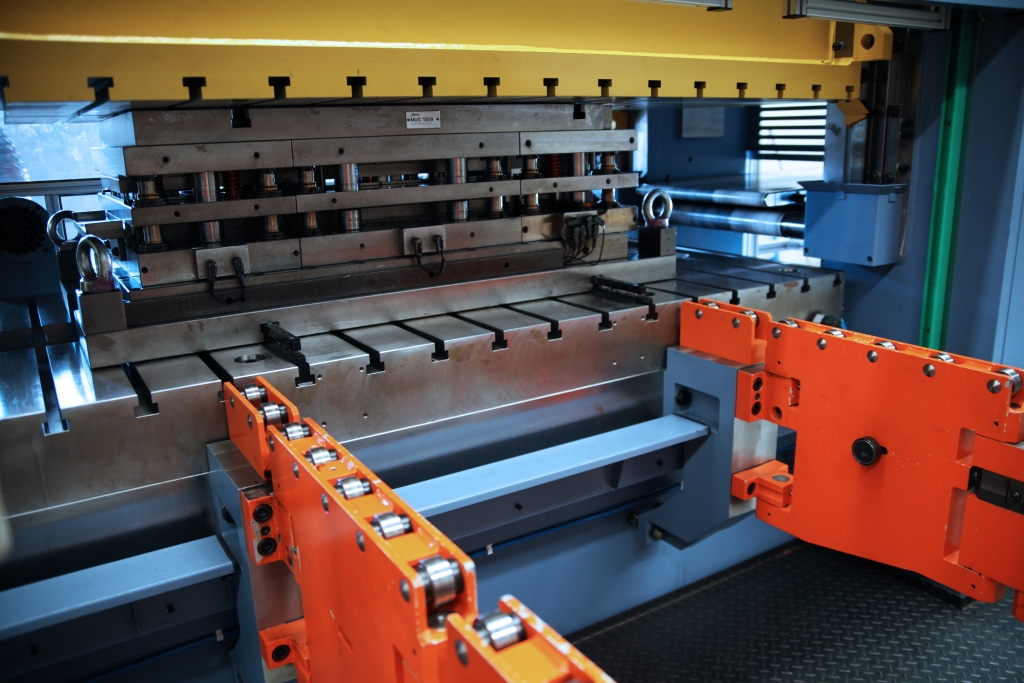
The manufacturing industry is constantly evolving, with companies seeking ways to improve efficiency, reduce costs, and increase flexibility. One of the most significant advancements in recent years is the adoption of modular tooling systems for custom steel stamping applications. These systems offer a range of advantages that traditional fixed tooling simply cannot match, making them an increasingly popular choice for both small and large-scale production environments.
Understanding the benefits of modular tooling in steel stamping can help manufacturers make informed decisions about their production processes. By leveraging modular solutions, companies can respond more quickly to changing customer demands, streamline maintenance, and achieve higher quality outcomes. For those interested in related process optimizations, exploring topics like how to optimize scrap chute angles can further enhance stamping efficiency and waste reduction.
What Is Modular Tooling in Steel Stamping?
Modular tooling refers to a system where individual tool components—such as dies, punches, and inserts—are designed to be interchangeable and reconfigurable. Unlike traditional tooling, which is typically custom-built for a single part or process, modular systems allow for rapid adaptation to different product designs or production requirements.
In the context of steel stamping, this means that manufacturers can quickly swap out or rearrange tooling modules to produce a wide variety of stamped parts without the need for extensive downtime or costly new tool fabrication. This flexibility is especially valuable in industries where product designs change frequently or where short production runs are common.
Key Advantages of Modular Tooling for Custom Applications
The shift toward modular solutions brings several important advantages for custom steel stamping operations. Below are some of the most impactful benefits:
Increased Flexibility and Adaptability
One of the primary benefits of modular tooling in steel stamping is the ability to adapt quickly to new or changing part designs. With modular components, manufacturers can reconfigure tooling setups in a fraction of the time required for traditional systems. This enables faster prototyping, easier customization, and the ability to respond rapidly to customer requests.
- Shorter lead times for new product launches
- Easy integration of design changes
- Reduced need for dedicated tooling for each part
Cost Savings and Reduced Inventory
Traditional steel stamping often requires a unique tool for every part, leading to large inventories of expensive, single-use dies. Modular tooling, on the other hand, allows for the reuse of standard modules across multiple projects. This reduces both the initial investment and ongoing storage costs.
- Lower capital expenditure on tooling
- Minimized storage space for tools
- Decreased waste from obsolete tooling

Streamlined Maintenance and Repair
Another significant advantage is the ease of maintenance. When a component in a modular system wears out or is damaged, it can be replaced individually rather than requiring the repair or replacement of an entire tool. This reduces downtime and keeps production lines running smoothly.
Additionally, modular systems make it easier to implement steel stamping material yield strength considerations, as modules can be swapped to accommodate different material properties or thicknesses.
Enhanced Quality Control
Precision is critical in custom steel stamping. Modular tooling enables tighter control over part tolerances and repeatability. Because modules are manufactured to exacting standards and can be easily inspected or replaced, the risk of defects is minimized.
- Consistent part quality across production runs
- Easy to implement process improvements
- Reduced scrap rates
How Modular Tooling Supports Lean Manufacturing
Lean manufacturing principles focus on eliminating waste, improving flow, and maximizing value. Modular tooling aligns perfectly with these goals by enabling just-in-time production, minimizing inventory, and reducing setup times.
For example, when switching between different product lines, modular systems allow for rapid changeovers, which keeps machines running and reduces idle time. This supports higher overall equipment effectiveness (OEE) and helps manufacturers stay competitive in fast-paced markets.
Those looking to further optimize their processes may also benefit from learning about best practices for stamping coated steels to prevent surface damage and maintain part integrity.

Improving Safety and Ergonomics
Safety is always a top priority in metalworking environments. Modular tooling can contribute to safer workplaces by reducing the need for heavy lifting and manual tool changes. Many systems are designed for quick, tool-less changeovers, minimizing the risk of injury.
For more information on maintaining a safe stamping environment, manufacturers can consult resources like metal stamping safety guidelines to ensure compliance with best practices.
Considerations When Implementing Modular Tooling
While the benefits of modular tooling in steel stamping are substantial, successful implementation requires careful planning. Here are some key factors to consider:
- Compatibility: Ensure that modular components are compatible with existing presses and automation systems.
- Training: Operators and maintenance staff may need training to maximize the value of modular systems.
- Initial Investment: While long-term savings are significant, there may be upfront costs for new modular equipment.
- Quality Assurance: Regular inspection and calibration of modules are essential to maintain part quality.
Integrating modular tooling with other process improvements, such as optimizing how to optimize part ejection in stamping, can further enhance efficiency and product quality.
Frequently Asked Questions
What types of steel stamping operations benefit most from modular tooling?
Modular tooling is especially advantageous for operations that require frequent part changes, short production runs, or rapid prototyping. Industries such as automotive, electronics, and appliance manufacturing often see the greatest benefits due to their need for flexibility and quick turnaround times.
Is modular tooling suitable for high-volume production?
Yes, modular tooling can be used for both low and high-volume production. Its ability to maintain tight tolerances and facilitate quick changeovers makes it ideal for mass production environments where downtime and quality control are critical concerns.
How does modular tooling impact long-term production costs?
While the initial investment in modular tooling may be higher than traditional fixed tooling, the long-term savings from reduced inventory, lower maintenance costs, and increased flexibility typically outweigh the upfront expense. Over time, manufacturers often see a strong return on investment.
Conclusion
Embracing modular tooling systems in custom steel stamping delivers a range of practical advantages, from enhanced flexibility and cost savings to improved quality and safety. By adopting this approach, manufacturers can better respond to market demands, streamline their operations, and maintain a competitive edge. As the industry continues to evolve, modular solutions will play an increasingly important role in shaping the future of metal stamping.