
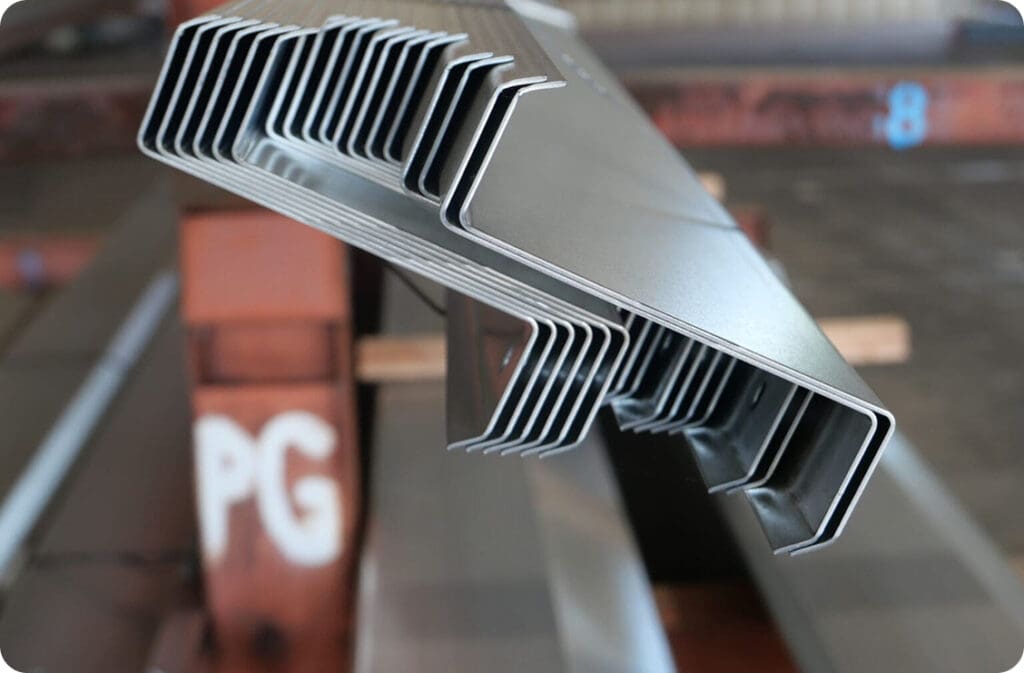
The manufacturing sector is under increasing pressure to reduce its environmental footprint, and the metalworking industry is no exception. Zero waste metal fabrication is emerging as a practical approach to minimize landfill contributions, conserve resources, and improve operational efficiency. By rethinking processes, optimizing materials, and embracing sustainable practices, fabricators can significantly reduce waste and move closer to a circular production model.
This article explores actionable strategies for achieving minimal waste in metalworking, highlighting both the environmental and business benefits. For those seeking to improve process quality alongside sustainability, see our guide on steel stamping edge quality optimization for technical insights.
Understanding the Principles of Minimal Waste in Metalworking
At its core, zero waste metal fabrication focuses on eliminating unnecessary byproducts throughout the production cycle. This involves not only recycling scrap but also designing processes that prevent waste from being generated in the first place. The philosophy aligns with the broader goals of sustainable manufacturing, which include reducing energy consumption, maximizing resource efficiency, and minimizing environmental harm.
The journey toward minimal waste is not just about compliance or image—it’s about building a resilient, future-ready business. Companies that adopt these principles often discover cost savings, improved product quality, and enhanced reputation among environmentally conscious customers.
Key Steps to Achieve Zero Waste in Metal Fabrication
1. Material Selection and Sourcing
Choosing the right materials is the first step toward reducing waste. Opt for metals that are highly recyclable, such as steel and aluminum, and prioritize suppliers with strong sustainability records. Consider using pre-consumer recycled content or certified sustainable sources whenever possible.
2. Process Optimization and Lean Manufacturing
Implementing lean manufacturing principles is essential for minimizing waste. Techniques such as just-in-time inventory, value stream mapping, and continuous improvement help identify inefficiencies and eliminate unnecessary steps. By streamlining workflows and reducing overproduction, fabricators can cut down on scrap and energy use.
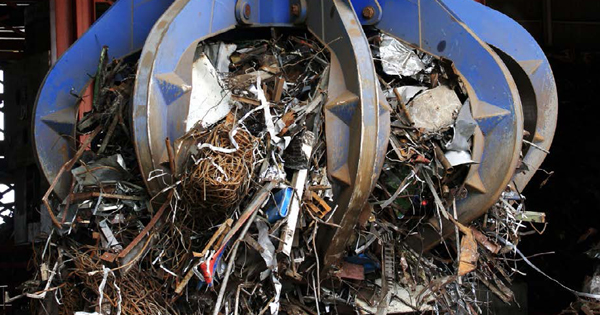
3. Scrap Management and Recycling Initiatives
Even with the best planning, some scrap is inevitable. The key is to treat scrap as a valuable resource rather than waste. Establish clear sorting and collection systems for different types of metal, and partner with reputable recyclers to ensure materials are returned to the supply chain. Many facilities also find value in reusing offcuts for smaller parts or prototyping.
For more on sustainable practices in the sector, explore this overview of sustainable metal fabrication methods.
4. Advanced Fabrication Technologies
Modern technologies such as laser cutting, waterjet cutting, and CNC machining offer greater precision, resulting in less material loss. These methods allow for tighter nesting of parts and more efficient use of raw stock. Digital design tools can further optimize layouts to minimize offcuts and reduce the need for secondary operations.

5. Employee Training and Engagement
A culture of sustainability starts with people. Regular training ensures that staff understand the importance of waste reduction and know how to implement best practices on the shop floor. Encourage employees to suggest improvements and recognize teams that achieve waste reduction goals. For safety and operational excellence, see our article on how to train operators for steel stamping safety.
Benefits of Adopting Waste-Free Fabrication Methods
Moving toward a minimal waste approach in metalworking offers a range of advantages:
- Cost savings from reduced raw material use and lower disposal fees
- Improved efficiency through streamlined processes and less downtime
- Enhanced compliance with environmental regulations and standards
- Stronger brand reputation among customers and partners
- Contribution to circular economy by keeping materials in use longer
Challenges and Solutions in Sustainable Metalworking
While the advantages are clear, implementing a zero waste strategy can present challenges. Initial investments in new equipment or training may be required, and changing established workflows can encounter resistance. However, these hurdles can be overcome by:
- Starting with pilot projects to demonstrate value
- Engaging leadership and frontline staff in planning
- Measuring progress with clear metrics and regular reviews
- Leveraging industry partnerships for shared learning
For those working with coated steels or secondary operations, our resource on best practices for stamping coated steels provides additional guidance on reducing waste during specialized processes.
Integrating Zero Waste Principles into Daily Operations
Achieving minimal waste in metal fabrication requires ongoing commitment. Regular audits, employee feedback, and continuous improvement cycles help maintain momentum. Consider establishing a green team or sustainability committee to champion initiatives and track results.
Additionally, integrating digital tools for inventory management and production planning can further reduce overordering and excess stock, supporting a leaner, more sustainable operation.
Frequently Asked Questions
What are the main sources of waste in metal fabrication?
The primary sources include offcuts from cutting and shaping, defective parts, excess inventory, packaging materials, and energy waste from inefficient machinery. Addressing these areas through better planning and technology can significantly reduce overall waste.
How can small fabrication shops implement zero waste strategies?
Smaller operations can start by improving scrap segregation, partnering with local recyclers, and optimizing material usage. Investing in staff training and adopting lean principles are also effective, even on a limited budget.
Is it possible to achieve 100% waste elimination in metalworking?
While total elimination is challenging, the goal is to minimize waste as much as possible and ensure that any unavoidable byproducts are recycled or reused. Continuous improvement and innovation can bring operations closer to this ideal over time.