
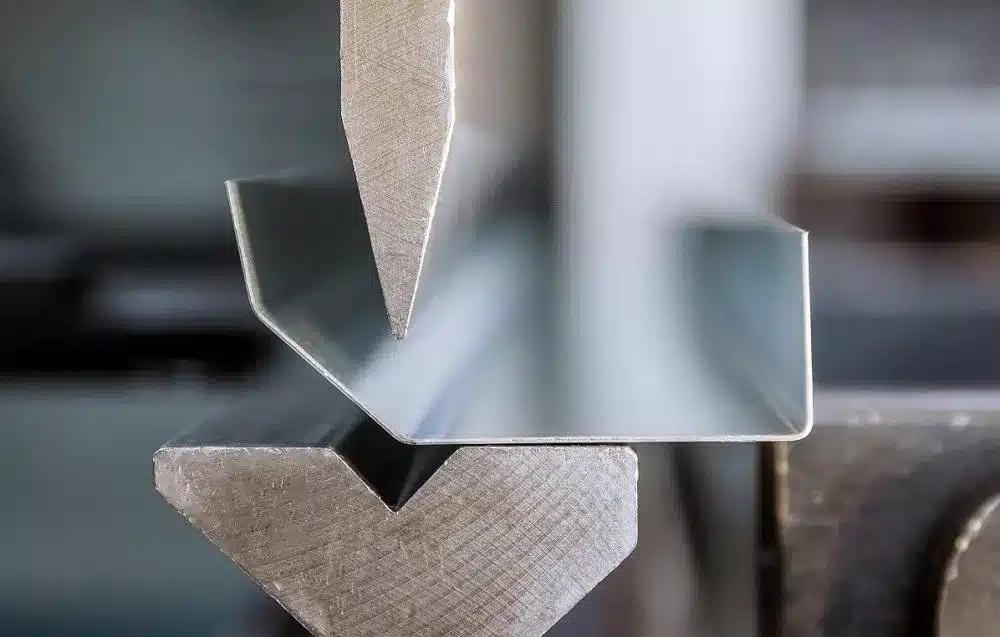
Steel stamping presses are essential in modern manufacturing, but even the most robust machines can experience problems that disrupt production and impact quality. Effectively troubleshooting steel stamping press issues is crucial for minimizing downtime, reducing scrap, and ensuring consistent output. This guide provides practical steps, common causes, and actionable solutions for resolving typical press problems, whether you’re a seasoned technician or a shop floor manager.
Addressing press malfunctions quickly not only saves time but also helps prevent costly damage to dies and tooling. Along the way, you’ll find references to related topics, such as how to reduce scrap in metal stamping and best practices for die maintenance, to support a holistic approach to press reliability.
Understanding Common Steel Stamping Press Problems
Presses are complex systems, and issues can arise from mechanical, electrical, hydraulic, or process-related sources. Recognizing the most frequent challenges is the first step in effective troubleshooting steel stamping press issues. Some of the most common problems include:
- Misfeeds and material jams that halt production or damage tooling
- Inconsistent part dimensions or excessive burrs on stamped parts
- Abnormal noises such as knocking, grinding, or squealing
- Hydraulic or pneumatic failures leading to loss of force or speed
- Electrical faults causing unexpected stops or erratic operation
Each of these symptoms can have multiple root causes. A systematic approach is essential for accurate diagnosis and long-term solutions.
Step-by-Step Approach to Diagnosing Press Issues
When a press problem occurs, resist the urge to jump straight to repairs. Instead, follow a structured process:
- Observe and document: Note the exact symptoms, error codes, and when the issue occurs. Is it during startup, under load, or randomly?
- Check for obvious causes: Inspect for loose bolts, misaligned dies, or visible damage. Confirm that safety devices and sensors are functioning.
- Review recent changes: Has there been a new material batch, die change, or maintenance activity? Sometimes, problems are linked to recent adjustments.
- Consult documentation: Use the press manual and maintenance logs to identify known issues or recurring faults.
- Test systematically: Isolate variables by running the press without material, swapping dies, or bypassing non-critical systems (following all safety protocols).
This methodical approach helps pinpoint the source of trouble and avoids unnecessary downtime or further damage.
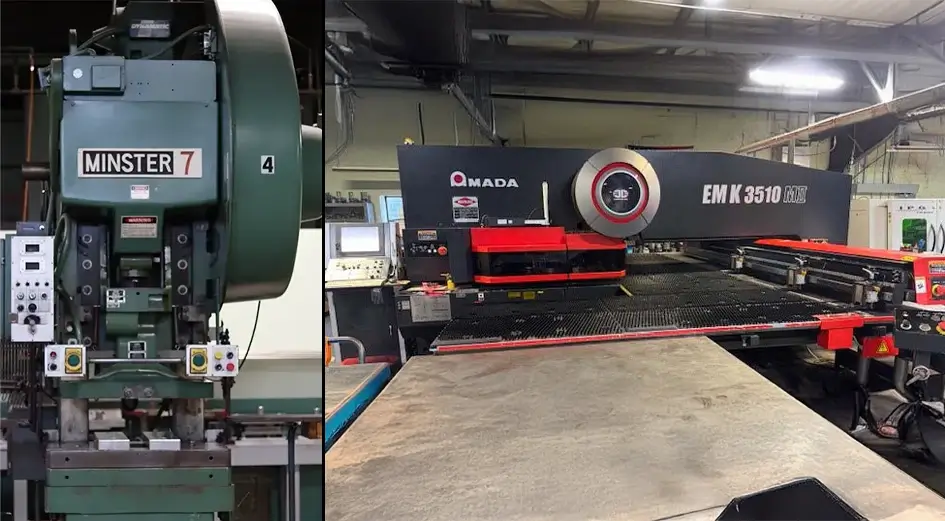
Mechanical and Material-Related Troubleshooting Tips
Many press malfunctions stem from mechanical wear or material inconsistencies. Here’s how to address some of the most frequent issues:
Resolving Misfeeds and Jams
- Check material alignment: Ensure coil or blanks are properly loaded and guides are set. Misalignment often leads to jams.
- Inspect feed mechanisms: Worn rollers, sticky lubricators, or damaged sensors can cause irregular feeding.
- Review die condition: Dull or chipped dies increase resistance and may snag material.
For more on minimizing waste and improving efficiency, see how to reduce scrap in metal stamping.
Dealing with Dimensional Inconsistencies
- Verify die setup: Incorrect die height or loose fasteners can cause variable part dimensions.
- Monitor material thickness: Variations in steel thickness or hardness affect forming results.
- Check press calibration: Periodic calibration ensures consistent stroke and tonnage.
Choosing the right material is also critical. If you’re unsure about steel selection, refer to how to choose the right steel grade for stamping for detailed guidance.
Addressing Hydraulic, Pneumatic, and Electrical Faults
Presses rely on complex hydraulic, pneumatic, and electrical systems. Malfunctions in these areas can be challenging to diagnose but often follow predictable patterns.
Hydraulic and Pneumatic System Checks
- Inspect fluid levels and quality: Low or contaminated hydraulic oil reduces pressure and can damage seals.
- Look for leaks: Hoses, fittings, and cylinders should be dry and free of cracks.
- Test valves and actuators: Sticky or malfunctioning valves can cause erratic movement or loss of force.
Electrical Troubleshooting for Presses
- Check for loose connections: Vibration can loosen terminals, causing intermittent faults.
- Review safety circuits: Faulty safety relays or light curtains may trigger unexpected stops.
- Monitor control systems: PLCs and sensors should be free of dust and properly grounded.
Always follow proper safety precautions when operating metal stamping machinery to protect personnel and equipment during troubleshooting.
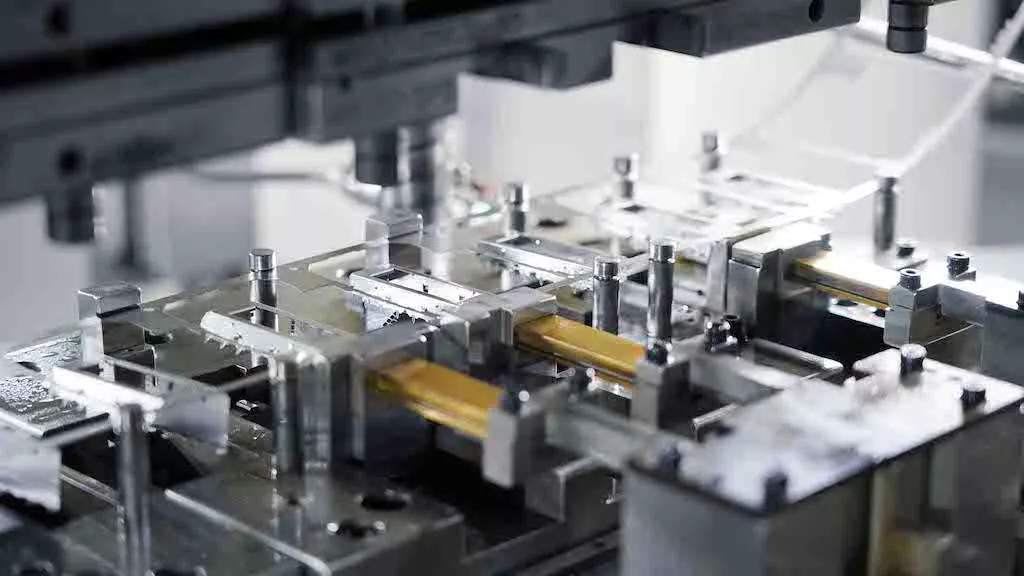
Preventive Measures and Maintenance Best Practices
While resolving problems is important, preventing them is even better. Regular maintenance and proactive checks are the foundation of reliable press operation.
- Schedule routine inspections: Daily and weekly checks of lubrication, fasteners, and safety devices catch problems early.
- Maintain dies and tooling: Follow a steel stamping die maintenance guide to extend tool life and improve part quality.
- Train operators: Skilled staff can spot abnormal conditions before they escalate.
- Document issues and fixes: Keeping detailed logs helps identify recurring problems and supports continuous improvement.
For a safer and more efficient work environment, review steel stamping safety guidelines and ensure all team members are familiar with emergency procedures.
FAQ: Steel Stamping Press Troubleshooting
What are the first steps to take when a steel stamping press stops unexpectedly?
Begin by ensuring the machine is safely powered down. Check for obvious issues such as tripped safety devices, material jams, or visible damage. Review any error codes or alarms displayed on the control panel, then consult the press manual for specific troubleshooting steps.
How can I reduce the frequency of misfeeds and jams?
Regularly inspect and maintain feed mechanisms, ensure material is properly aligned, and keep dies sharp and clean. Monitoring material quality and using proper lubrication also help prevent jams.
What should I do if stamped parts have inconsistent dimensions?
Check die setup and fastener tightness, verify material thickness and properties, and confirm press calibration. If issues persist, review recent changes in tooling or process parameters.
How often should a steel stamping press be serviced?
Follow the manufacturer’s recommended maintenance intervals, but also perform daily and weekly checks on critical components. More frequent inspections may be needed in high-volume or demanding environments.
Conclusion
Mastering the process of troubleshooting steel stamping press issues is essential for maintaining productivity and product quality in any metalworking operation. By understanding common problems, following a systematic diagnostic approach, and investing in preventive maintenance, you can minimize downtime and extend the life of your equipment. For further reading on related topics, explore resources on die maintenance, material selection, and safety best practices.