
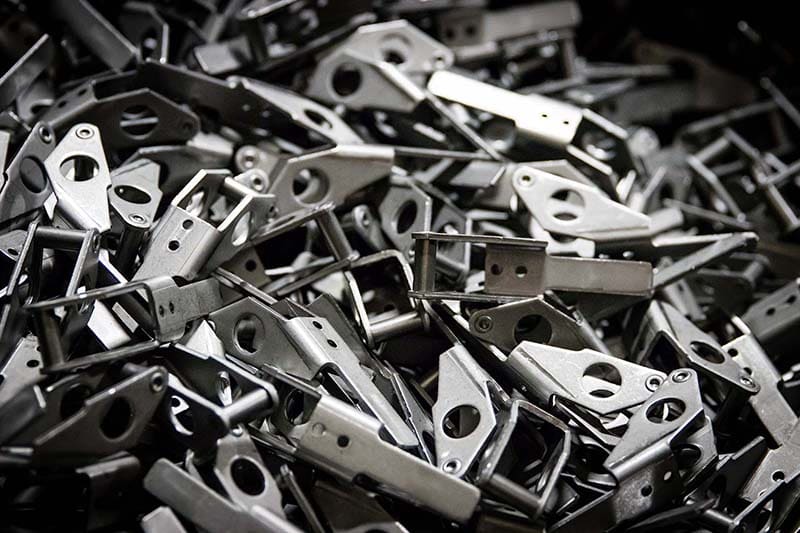
Achieving consistently clean parts is a critical objective in modern metalworking, especially in high-volume operations involving steel stamping. The cleanliness of stamped components directly impacts downstream processes such as welding, coating, and assembly. To meet stringent industry standards and customer expectations, manufacturers must implement robust wash systems tailored to the unique challenges of steel stamping environments. Understanding steel stamping wash system requirements is essential for optimizing part quality, reducing defects, and maintaining efficient production lines.
This article explores the essential criteria for selecting and operating effective wash systems in steel stamping facilities. It covers the types of contaminants encountered, key system features, process considerations, and compliance with industry best practices. For those working with specialty materials, such as coated steels or carbon steel, integrating cleaning solutions with best practices for stamping coated steels can further enhance performance and product longevity.
Why Cleanliness Matters in Steel Stamping Operations
Contaminants such as lubricants, metal fines, scale, and particulate residue are inevitable byproducts of steel stamping. If left unaddressed, these residues can cause adhesion failures in coatings, increase the risk of corrosion, and interfere with precision assembly. Clean parts are especially important in industries like automotive, aerospace, and electronics, where even microscopic debris can compromise product reliability.
A well-designed wash system not only removes visible dirt but also targets microscopic contaminants that could impact downstream quality. By meeting or exceeding wash system requirements for steel stamping, manufacturers can ensure compliance with customer specifications and industry regulations.
Key Contaminants Targeted by Wash Systems
To design an effective cleaning process, it is important to identify the typical contaminants present after stamping. The most common include:
- Stamping Lubricants: Oils and greases used to reduce tool wear and facilitate metal flow.
- Metal Fines and Burrs: Small particles generated during cutting and forming.
- Oxide Scale: Surface oxidation resulting from high-temperature processes.
- Dust and Particulates: Environmental debris and airborne particles.
Each contaminant may require a different cleaning approach, making it essential to select a wash system with the appropriate features and chemistry.

Essential Features of Steel Stamping Wash Systems
Modern wash systems for steel stamping must be engineered to handle high throughput, variable part geometries, and demanding cleanliness standards. The following features are crucial for meeting steel stamping wash system requirements:
- Multi-Stage Cleaning: Systems often include pre-wash, main wash, rinse, and drying stages to ensure thorough removal of contaminants.
- High-Pressure Spray or Ultrasonics: Mechanical agitation helps dislodge stubborn residues from complex part surfaces.
- Filtration and Recirculation: Continuous filtration prevents redeposition of contaminants and extends bath life.
- Automated Controls: Programmable logic controllers (PLCs) allow precise control of temperature, chemistry, and cycle times.
- Material Compatibility: All wetted components must resist corrosion and chemical attack from cleaning agents.
Selecting a system with these capabilities helps ensure that parts consistently meet cleanliness specifications, even as production demands fluctuate.
Process Parameters and Chemical Selection
The effectiveness of any wash system depends on optimizing process parameters and choosing the right cleaning chemistry. Key variables include:
- Temperature: Higher temperatures generally improve cleaning efficiency but may affect sensitive materials.
- Detergent Concentration: The right balance is needed to remove oils without leaving residues.
- Cycle Time: Sufficient dwell time is required for complete contaminant removal, especially for intricate parts.
- Water Quality: Deionized or filtered water reduces spotting and prevents mineral buildup.
Consulting with chemical suppliers and system integrators can help tailor the process to specific part requirements and contamination profiles.

Integrating Wash Systems with Stamping Lines
To maximize efficiency, wash systems should be seamlessly integrated into the stamping workflow. Inline or conveyorized washers allow for continuous processing and minimize manual handling, reducing the risk of recontamination. Batch systems may be suitable for lower volumes or specialized parts.
Automation, including robotic loading and unloading, can further enhance throughput and consistency. For operations focused on best practices for stamping carbon steel, integrating cleaning with other quality control steps ensures optimal results.
Compliance, Testing, and Documentation
Meeting customer and regulatory requirements often involves periodic cleanliness testing and documentation. Common methods include:
- Gravimetric Analysis: Measuring residual mass after cleaning.
- Particle Counting: Quantifying particles above a certain size threshold.
- Surface Tension Tests: Assessing the presence of hydrophobic residues.
Maintaining detailed records of wash system parameters, test results, and maintenance activities supports traceability and continuous improvement efforts.
Best Practices and Industry Resources
Staying current with industry standards and emerging technologies is vital for maintaining effective cleaning operations. Resources like the metal stamping safety and process guide provide valuable insights into optimizing both stamping and cleaning processes.
For those interested in advanced process optimization, exploring the role of artificial intelligence in stamping optimization can reveal new opportunities for efficiency and quality gains.
Frequently Asked Questions
What are the most important factors when choosing a wash system for steel stamping?
The most critical considerations include the types of contaminants present, required cleanliness levels, part geometry, production volume, and compatibility with existing stamping lines. Systems should offer multi-stage cleaning, robust filtration, and automation to ensure consistent results.
How often should wash system maintenance be performed?
Routine maintenance—including filter changes, tank cleaning, and inspection of spray nozzles—should follow manufacturer recommendations and be adjusted based on production volume and contamination load. Regular maintenance prevents system failures and ensures ongoing part cleanliness.
Can a single wash system handle different steel alloys and coatings?
Many modern systems are designed for flexibility, but it is important to verify chemical compatibility and process settings for each material type. Running test batches and consulting with suppliers can help optimize cleaning for various alloys and coated steels.
Conclusion
Implementing the right steel stamping wash system requirements is essential for delivering consistently clean parts and maintaining a competitive edge in metalworking. By understanding contaminants, selecting appropriate system features, and integrating cleaning with overall production, manufacturers can achieve high-quality results and meet the demands of modern industry.