
Achieving consistent, high-quality results in metal forming depends heavily on the proper use of steel stamping lubrication application methods. Lubrication not only reduces friction and wear between the die and workpiece but also helps prevent defects, lowers tool maintenance costs, and extends equipment life. Selecting the right approach and applying it effectively can make a significant difference in productivity and part quality.
In this article, we’ll explore the most reliable ways to apply lubricants in steel stamping operations, compare their advantages, and provide practical tips for optimizing your process. For those interested in related topics, understanding the steel stamping cooling methods can further enhance tool performance and process stability.

Why Lubrication Matters in Steel Stamping
The role of lubrication in steel stamping is crucial for several reasons. It minimizes direct metal-to-metal contact, which helps to:
- Reduce friction and heat generation
- Prevent galling, scoring, and surface defects
- Enhance die life and lower maintenance frequency
- Improve finished part quality and dimensional accuracy
- Facilitate easier part ejection and handling
Without proper lubrication, tool wear accelerates, scrap rates increase, and production costs rise. That’s why choosing the right lubricant application techniques is essential for efficient operations.
Overview of Steel Stamping Lubrication Application Methods
There are several established ways to apply lubricants in steel stamping. Each method offers unique benefits and is suited to specific production needs, part geometries, and lubricant types. The most common approaches include:
- Manual application (brush, roller, or spray bottle)
- Automatic roller coaters
- Spray systems (airless or atomized)
- Drip or flood systems
- Electrostatic application
The choice of method depends on factors such as part complexity, production speed, lubricant viscosity, and environmental considerations.
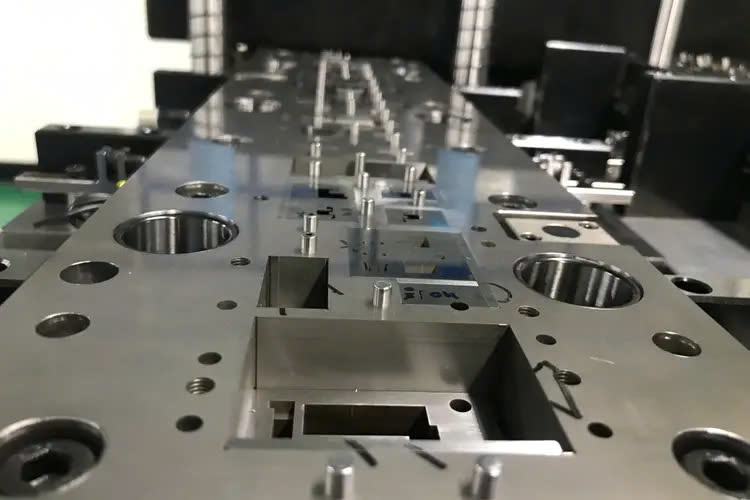
Manual Lubricant Application Techniques
For small-batch or prototype runs, manual methods such as using a brush, roller, or handheld spray bottle are often sufficient. These approaches offer flexibility and low initial investment, but they rely heavily on operator consistency and can lead to uneven coverage.
- Brush or Roller: Suitable for flat or simple-shaped blanks. Operators dip the tool into lubricant and apply it directly to the steel surface.
- Handheld Spray: Allows for broader coverage and can be used on more complex parts, but may result in overspray and waste.
Manual methods are best for short runs, prototyping, or when frequent changes in lubricant type are needed. However, they are not ideal for high-volume production due to variability and labor requirements.
Automated Roller Coating for Consistent Coverage
Roller coaters are a popular automated solution for applying lubricant to steel coils or blanks. The system feeds the material through rollers that are saturated with lubricant, ensuring a uniform, controlled film thickness.
- Delivers consistent and repeatable coverage
- Reduces waste and environmental impact
- Ideal for high-speed, continuous operations
- Compatible with a wide range of lubricants
Automated roller coating is especially effective for flat stock and can be integrated directly into coil feeding lines, minimizing downtime and manual intervention.
Spray and Atomization Systems in Lubricant Delivery
Spray systems, including airless and atomized nozzles, are widely used for applying lubricants to both simple and complex part geometries. These systems can be programmed to deliver precise amounts of lubricant at specific locations, reducing waste and ensuring consistent results.
- Airless Spray: Uses high pressure to atomize lubricant, producing a fine, even mist. Suitable for fast-moving lines and large surface areas.
- Atomized Spray: Combines air and lubricant to create a controlled mist, allowing for targeted application on intricate parts or dies.
Spray systems can be automated and synchronized with press cycles, making them ideal for high-volume production and complex part shapes.
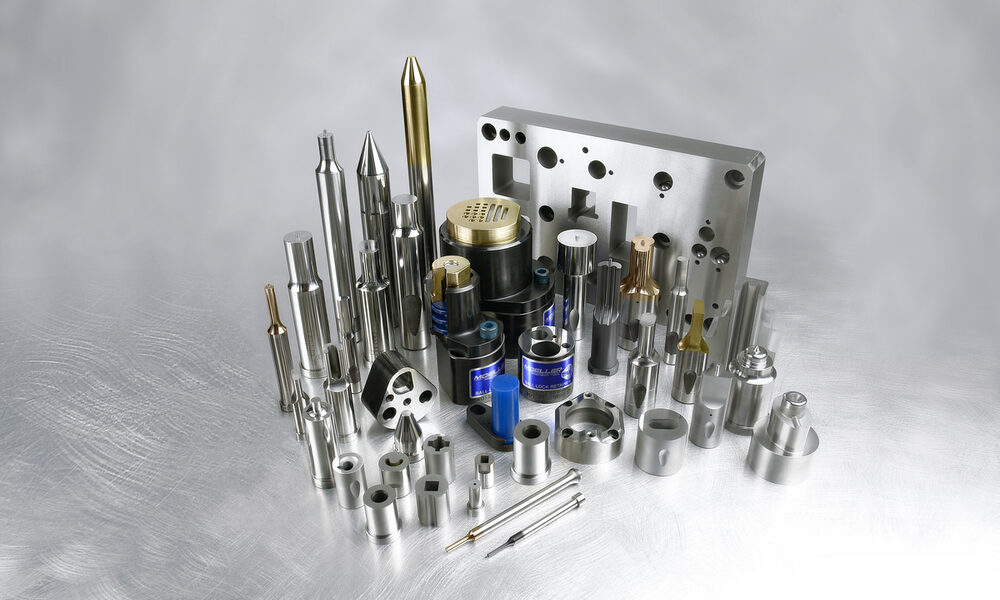
Drip, Flood, and Electrostatic Lubrication Approaches
For certain applications, drip or flood systems are used to deliver large volumes of lubricant directly to the forming area. While effective for heavy-duty stamping, these methods can be less efficient and may require additional cleanup or recycling systems.
- Drip Systems: Metered nozzles dispense lubricant at set intervals, suitable for targeted application on specific die areas.
- Flood Lubrication: Large quantities of lubricant are poured over the die or workpiece, providing maximum cooling and protection for severe forming operations.
- Electrostatic Application: Uses electrically charged lubricant particles to ensure even, efficient coverage with minimal waste. This advanced method is gaining popularity for its environmental and cost benefits.
Choosing the right method depends on the balance between process requirements, environmental impact, and cost control.
Best Practices for Steel Stamping Lubrication
To maximize the benefits of any steel stamping lubrication application method, consider the following best practices:
- Select lubricants compatible with both the material and the stamping process
- Monitor and adjust application rates to prevent excess buildup or insufficient coverage
- Regularly clean and maintain application equipment to avoid contamination
- Train operators on proper handling and safety procedures
- Evaluate environmental and regulatory requirements for lubricant disposal and recycling
For further insights into optimizing your stamping process, you may find value in learning how to prevent springback in steel stamping, which is closely related to lubrication and material flow.
Troubleshooting Common Lubrication Issues
Even with the best systems in place, issues can arise. Common problems include:
- Uneven lubricant distribution leading to localized wear or part defects
- Excess lubricant causing slippage or contamination
- Incompatibility between lubricant and material, resulting in staining or corrosion
- Clogged nozzles or rollers reducing application efficiency
Addressing these issues requires regular inspection, prompt maintenance, and collaboration with lubricant suppliers to select optimal products and delivery systems. For more on maintaining your stamping equipment, see this comprehensive guide to stamping die repair and maintenance.
Integrating Lubrication with Other Stamping Process Improvements
Lubrication is just one aspect of a robust steel stamping operation. Combining effective lubricant application with other process improvements—such as optimizing cooling, selecting the right steel grade, and reducing scrap—can deliver even greater gains in productivity and quality.
For example, understanding the importance of grain direction in steel stamping and how to reduce scrap in metal stamping can further enhance your results when paired with the right lubrication strategies.
Frequently Asked Questions
What factors should I consider when choosing a lubricant application method?
Key considerations include the complexity of the stamped part, production volume, type and viscosity of lubricant, environmental impact, and the level of automation in your facility. Automated methods like roller coating and spray systems are ideal for high-volume, consistent production, while manual approaches suit smaller runs or prototyping.
How often should lubrication equipment be maintained?
Maintenance frequency depends on usage and lubricant type, but regular cleaning and inspection are essential to prevent contamination, clogging, and inconsistent application. Establish a routine maintenance schedule and monitor equipment performance to ensure optimal operation.
Can improper lubrication cause defects in stamped parts?
Yes, inadequate or excessive lubrication can lead to surface defects, dimensional inaccuracies, increased tool wear, and higher scrap rates. It’s important to monitor application rates and adjust as needed to maintain quality and efficiency.