

Springback is a persistent challenge in the world of metal forming, especially when working with steel. After the stamping process, steel parts often try to return to their original shape, causing dimensional inaccuracies and quality issues. Understanding how to prevent springback in steel stamping is essential for manufacturers aiming to produce precise, reliable components while minimizing costly rework.
This article explores practical strategies and proven techniques to control and reduce springback in steel stamping operations. We’ll cover the science behind the phenomenon, process adjustments, tooling considerations, and best practices that can help you achieve consistent results. For those also concerned with material efficiency, you may find value in our guide on how to reduce scrap in metal stamping.
Understanding Springback in Steel Forming
Before diving into solutions, it’s important to understand what causes springback. When steel is stamped, it undergoes elastic and plastic deformation. After the forming force is removed, the elastic portion of the deformation tries to recover, causing the material to “spring back” toward its original shape. The amount of springback depends on factors such as the steel’s yield strength, thickness, and the geometry of the stamped part.
Springback is more pronounced in high-strength steels and complex geometries. If not properly managed, it can lead to out-of-tolerance parts, assembly issues, and increased scrap rates.
Key Factors Influencing Springback
Several variables impact the degree of springback in steel stamping:
- Material Properties: High-strength steels and thinner sheets tend to exhibit greater springback.
- Part Geometry: Sharp bends and complex shapes are more susceptible.
- Forming Method: The type of die, forming speed, and lubrication all play a role.
- Tooling Design: Die radii, clearances, and tool wear can influence the outcome.
Process Adjustments to Minimize Springback
Adjusting your stamping process is one of the most effective ways to reduce unwanted shape changes after forming. Here are some proven methods:
Overbending Techniques
One common approach is to intentionally overbend the steel during stamping. By bending the material slightly beyond the desired final angle, you compensate for the expected springback. This requires careful calculation and experience, as overbending too much can cause cracks or other defects.
Bottoming and Coining
Bottoming involves pressing the material firmly into the die at the end of the stroke, which helps set the final shape and reduces elastic recovery. Coining goes a step further by applying high pressure to plastically deform the material at the bend, locking in the desired angle and minimizing springback.
Optimizing Die Design
Tooling plays a critical role in controlling springback. Consider these adjustments:
- Reduce Die Radius: Smaller radii at the bend can help limit elastic recovery, but be cautious of cracking.
- Tighten Die Clearance: Closer clearances between punch and die can improve part accuracy.
- Use Draw Beads: Adding beads to the die can control material flow and reduce springback in deep-drawn parts.
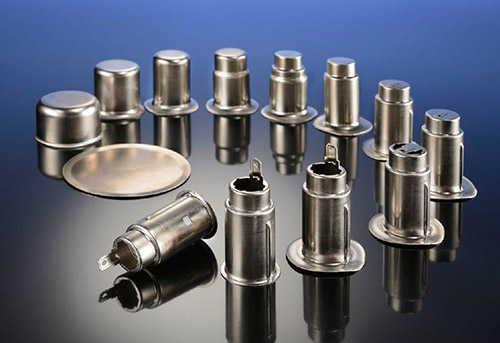
Material Selection and Preparation
Choosing the right steel grade can make a significant difference in springback behavior. Softer steels typically exhibit less springback, while high-strength grades require more careful control. For guidance on selecting materials, see our article on how to choose the right steel grade for stamping.
Additionally, consistent material thickness and surface condition help ensure predictable results. Pre-conditioning the steel, such as by stress-relieving or annealing, can also reduce elastic recovery.
Advanced Methods for Springback Control
Finite Element Analysis (FEA) and Simulation
Modern stamping operations often use computer simulation to predict springback before tooling is built. FEA software allows engineers to model material behavior, test different die designs, and optimize process parameters virtually. This reduces costly trial-and-error on the shop floor.
Using Progressive Dies and Multi-Stage Forming
Breaking up complex bends into multiple forming stages can help control springback. Progressive dies, which perform several operations in sequence, allow for gradual shaping and better accuracy. For more on this approach, explore the benefits of progressive die stamping.
Tool Maintenance and Quality Control
Worn or damaged dies can increase springback by allowing excessive material movement. Regular inspection and maintenance are essential. For detailed guidance, refer to our steel stamping die maintenance guide.
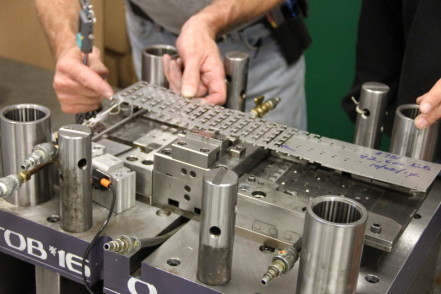
Best Practices for Reducing Springback in Steel Stamping
- Work closely with material suppliers to ensure consistent steel properties.
- Use simulation tools to predict and compensate for springback before production.
- Regularly inspect and maintain dies for optimal performance.
- Train operators on process adjustments and quality checks.
- Document and standardize successful process parameters for repeatability.
Safety is always a priority in stamping operations. For essential tips on keeping your team and equipment safe, review these steel stamping safety guidelines and consider reading about recommended safety precautions for metal stamping machinery.
Frequently Asked Questions
What is the primary cause of springback in steel stamping?
Springback occurs mainly due to the elastic recovery of steel after the forming force is removed. The material’s yield strength, thickness, and the geometry of the part all play significant roles in how much springback will occur.
How can overbending help control springback?
Overbending involves intentionally bending the steel beyond the final desired angle. This compensates for the expected elastic recovery, allowing the part to settle at the correct angle after springback occurs.
Are there specific die features that help reduce springback?
Yes, features such as reduced die radii, tighter clearances, and the use of draw beads can help control material flow and minimize springback. Regular die maintenance is also crucial for consistent results.
Is simulation necessary for all stamping projects?
While not mandatory for every project, simulation tools like FEA are highly recommended for complex parts or when working with high-strength steels. They allow for accurate prediction and compensation of springback before production begins.
Conclusion
Effectively managing springback in steel stamping requires a combination of material knowledge, process control, tooling expertise, and ongoing quality checks. By applying the methods outlined in this article—such as overbending, bottoming, die optimization, and simulation—you can achieve more accurate parts and reduce costly rework. Staying informed about best practices and investing in proper tooling and training will help ensure consistent, high-quality results in your stamping operations.