

In the world of metalworking, maintaining optimal temperatures during steel stamping is crucial for both tool longevity and product quality. As stamping operations generate significant heat from friction and deformation, effective cooling strategies are essential to prevent tool wear, dimensional inaccuracies, and production downtime. This article explores various steel stamping cooling methods, their impact on tool performance, and practical considerations for choosing the right approach in your facility.
Whether you operate a high-volume stamping line or manage custom tooling projects, understanding how to control heat can make a substantial difference in efficiency and cost. Along the way, we’ll highlight best practices, reference relevant safety and maintenance resources, and offer actionable insights for manufacturers aiming to optimize their stamping processes. For additional guidance on minimizing waste, see our comprehensive resource on how to reduce scrap in metal stamping.
Why Cooling Is Critical in Steel Stamping
During the stamping process, the interaction between the die and steel sheet generates considerable heat. If not managed properly, this heat can cause rapid tool wear, thermal expansion, and even microstructural changes in both the tool and workpiece. Overheated dies may lose dimensional accuracy, leading to defective parts and increased scrap rates. In severe cases, excessive temperatures can result in tool cracking or catastrophic failure.
Implementing effective cooling not only extends tool life but also supports consistent part quality and reduces unplanned downtime. By keeping temperatures within safe limits, manufacturers can maintain tighter tolerances, achieve higher production speeds, and lower overall maintenance costs.
Overview of Steel Stamping Cooling Techniques
There are several proven approaches to managing heat in metal stamping operations. The choice depends on factors such as production volume, tool complexity, and available infrastructure. Below are the most widely used cooling methods for steel stamping:
- Air Cooling: Utilizes ambient or forced air to dissipate heat from tooling surfaces. This method is simple and cost-effective but may not suffice for high-speed or heavy-duty applications.
- Water Cooling: Involves circulating water through channels embedded in the die or tool holder, providing efficient heat transfer and rapid cooling.
- Oil Cooling: Uses specialized cooling oils, often in recirculating systems, to manage temperatures in tools that require lubrication as well as cooling.
- Spray or Mist Cooling: Delivers a fine mist of coolant directly to the stamping interface, combining cooling and lubrication for enhanced performance.
- Integrated Cooling Circuits: Advanced dies may feature custom-designed channels or heat exchangers for precise temperature control.
Air-Based Cooling Approaches
Air cooling remains a popular choice for low- to medium-volume stamping operations. It can be as simple as relying on natural convection or as sophisticated as using high-velocity fans or compressed air jets directed at the die. While air-based methods are easy to implement and require minimal maintenance, their cooling capacity is limited compared to liquid-based systems.
For operations where heat buildup is moderate, air cooling offers a low-cost solution. However, in high-speed or deep-drawing applications, it may be necessary to supplement air cooling with more robust techniques to prevent tool overheating.
Water and Oil Cooling Systems for Steel Stamping
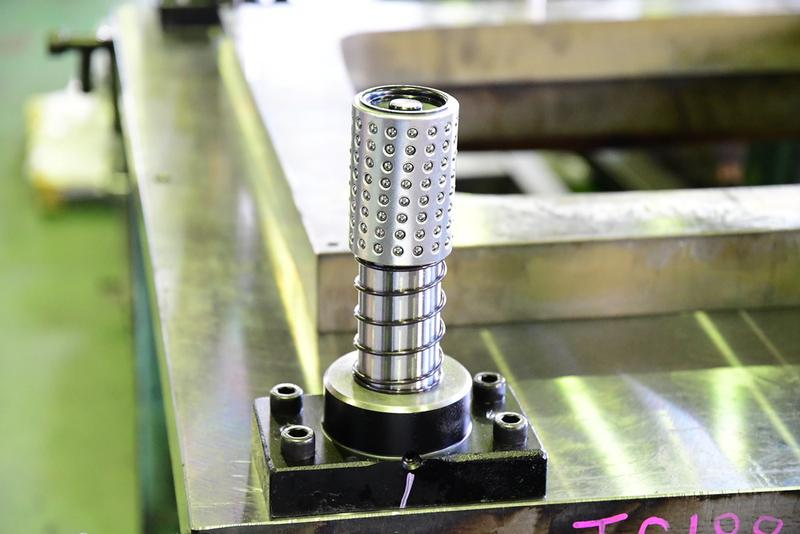
For more demanding applications, water cooling is often the preferred method. By circulating water through internal channels in the die, heat is rapidly removed from critical areas, maintaining stable tool temperatures even during extended production runs. Water cooling systems can be integrated into the die design or retrofitted to existing tools, offering flexibility for various shop environments.
Oil cooling, while less common, is used in situations where both lubrication and cooling are required. Specialized oils can be pumped through tool channels or sprayed onto the stamping interface, reducing friction and dissipating heat simultaneously. This dual-action approach is especially useful in high-speed progressive stamping or when working with challenging materials.
Design Considerations for Liquid Cooling
- Ensure channels are positioned close to high-heat zones for maximum efficiency.
- Use corrosion-resistant materials to prevent leaks and extend system life.
- Maintain proper flow rates and monitor coolant quality to avoid blockages or contamination.
Spray and Mist Cooling: Targeted Temperature Control
Spray and mist cooling systems deliver a fine coolant mist directly to the die and workpiece interface. This approach not only cools the tool but also provides lubrication, reducing friction and wear. Mist systems are especially effective in high-speed stamping lines or when forming complex shapes that generate localized heat.
When selecting a spray or mist system, consider the compatibility of the coolant with both the tool steel and the stamped material. Proper filtration and maintenance are essential to prevent nozzle clogging and ensure consistent performance.
Advanced Cooling Solutions and Automation
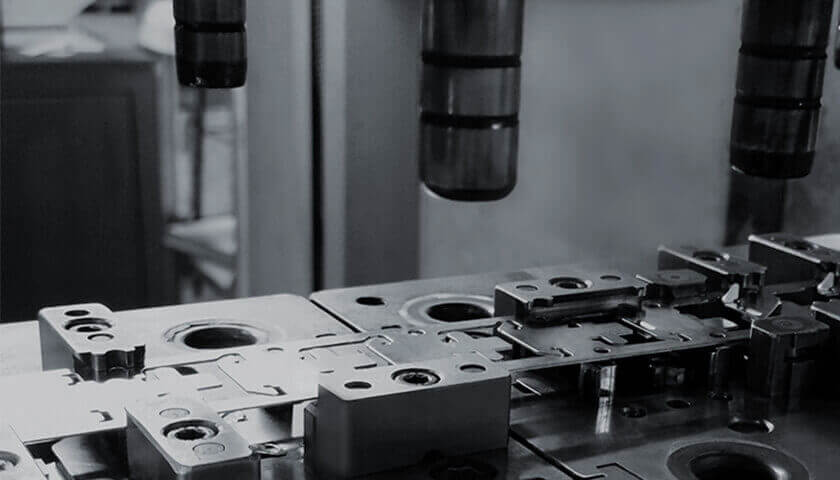
As manufacturing technology evolves, so do the options for controlling heat in stamping operations. Modern dies may incorporate advanced cooling circuits, heat exchangers, or even smart sensors that monitor temperature in real time and adjust coolant flow automatically. These innovations help maintain optimal tool conditions, reduce manual intervention, and support higher levels of automation.
For manufacturers seeking to maximize uptime and minimize maintenance, investing in advanced cooling technology can yield significant long-term benefits. For more on keeping your dies in top condition, refer to our steel stamping die maintenance guide.
Best Practices for Implementing Cooling in Steel Stamping
- Assess the heat generation profile of your stamping operation to select the most suitable cooling method.
- Regularly inspect and maintain cooling channels, pumps, and nozzles to ensure reliable operation.
- Monitor tool and die temperatures using sensors or infrared cameras to detect hotspots early.
- Train operators on safe handling of coolants and proper system operation. For safety tips, see these steel stamping safety guidelines.
- Document and review cooling system performance as part of your overall die maintenance program.
Benefits of Effective Cooling Strategies
Adopting the right cooling approach in steel stamping delivers several key advantages:
- Extended Tool Life: Lower operating temperatures reduce wear and the risk of thermal damage.
- Improved Part Quality: Consistent cooling helps maintain tight tolerances and surface finish.
- Higher Production Rates: Efficient cooling enables faster cycle times without sacrificing quality.
- Reduced Downtime: Preventing overheating minimizes unplanned maintenance and tool changes.
- Lower Operating Costs: Fewer tool replacements and less scrap contribute to overall savings.
For a broader look at process improvements, you might also explore the benefits of progressive die stamping in modern manufacturing.
Safety and Environmental Considerations
While cooling is essential for tool performance, it’s important to manage coolants responsibly. Always follow manufacturer guidelines for coolant selection, handling, and disposal. Regularly check for leaks or spills, and ensure that all personnel are trained in safe operation. For more on safe practices, review this comprehensive guide to die operations safety.
Frequently Asked Questions
What is the most effective cooling method for high-speed steel stamping?
For high-speed or high-volume stamping, liquid-based systems—particularly water cooling with integrated channels—are typically the most effective. They offer rapid heat removal and precise temperature control, which is essential for maintaining tool integrity and part quality.
Can air cooling be used for all stamping operations?
Air cooling is suitable for low- to moderate-volume production or when heat generation is minimal. However, for demanding applications with significant heat buildup, air cooling alone may not be sufficient, and supplemental methods like water or mist cooling are recommended.
How often should cooling systems in stamping dies be maintained?
Regular maintenance is key to reliable cooling performance. Inspect channels, pumps, and nozzles at least monthly, and clean or replace components as needed. Monitoring coolant quality and flow rates helps prevent blockages and ensures consistent operation.
Are there environmental concerns with using oil or synthetic coolants?
Yes, oil and synthetic coolants require careful handling and disposal to avoid environmental contamination. Always follow local regulations and manufacturer recommendations for storage, use, and disposal of these fluids.
Where can I find more information on steel grades for stamping?
For guidance on selecting the right material, see our article on how to choose the right steel grade for stamping.