
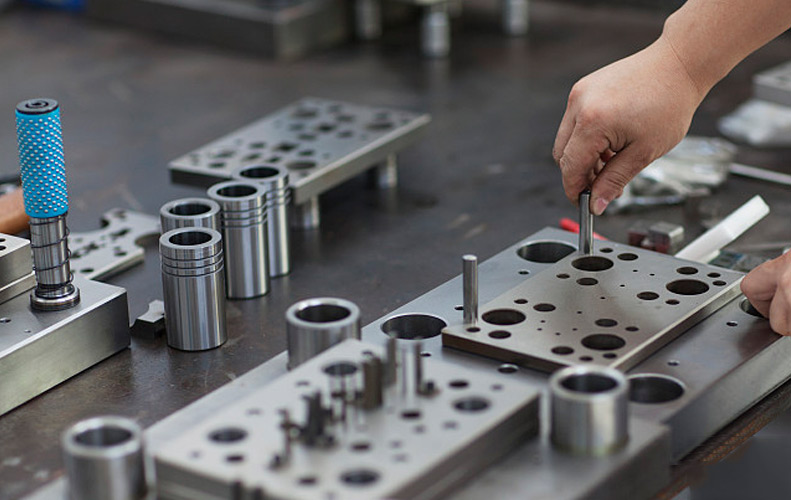
Achieving high-quality results in metal forming operations depends on more than just the right equipment and skilled operators. The choice and application of steel stamping lubricants play a critical role in maximizing tool life, minimizing defects, and ensuring efficient production. For manufacturers and engineers, understanding the most effective approaches to lubrication in steel stamping is essential for maintaining productivity and reducing costs.
This article explores the most effective strategies for selecting, applying, and maintaining lubricants in steel stamping environments. Along the way, you’ll find practical guidance, industry insights, and important considerations for safety and sustainability. For those interested in broader process improvements, learning about the benefits of progressive die stamping can further enhance your manufacturing outcomes.
Why Lubrication Matters in Steel Stamping
In metal stamping, friction between the die and the steel workpiece can lead to excessive wear, increased heat, and surface defects. Proper lubrication acts as a barrier, reducing direct metal-to-metal contact. This not only extends the life of tooling but also improves the surface finish of stamped parts and reduces the risk of galling or scoring.
Without effective lubricants, manufacturers may face increased downtime for tool maintenance, higher scrap rates, and inconsistent product quality. The right lubrication strategy is therefore a cornerstone of efficient and reliable steel stamping operations.
Types of Lubricants Used in Steel Stamping
Selecting the most suitable lubricant depends on the specific requirements of your stamping process, including material type, part geometry, and production volume. Here are the main categories of lubricants commonly used:
- Oil-based lubricants: These provide excellent film strength and are ideal for heavy-duty stamping, but may require thorough cleaning after processing.
- Water-based lubricants: Preferred for their ease of removal and lower environmental impact, these are suitable for lighter stamping operations.
- Synthetic lubricants: Engineered for specific performance characteristics, synthetics can offer superior cooling and reduced residue.
- Dry film lubricants: Used when post-stamping cleaning is difficult or when parts require immediate painting or coating.
The choice of lubricant should be based on a balance of performance, cost, ease of removal, and environmental considerations.
Key Factors for Optimal Lubricant Performance
To ensure the best outcomes, manufacturers should focus on several critical aspects of lubrication management:
- Application method: Spraying, rolling, or brushing can all be effective, but uniform coverage is essential to prevent localized wear or defects.
- Lubricant quantity: Too little lubricant increases friction and tool wear, while too much can cause slippage or contaminate downstream processes.
- Compatibility: The lubricant must be compatible with both the steel alloy and the die material to prevent chemical reactions or corrosion.
- Cleanliness: Residual lubricant can interfere with welding, painting, or assembly. Choose products that are easy to remove or that burn off cleanly.
- Environmental and safety impact: Consider regulations and worker safety when selecting lubricants, especially regarding VOC emissions and skin contact.
Common Challenges and Solutions in Lubrication
Even with the right product, improper use of lubricants can lead to issues such as burrs, tool breakage, or inconsistent part quality. Addressing these challenges requires a systematic approach to process control and maintenance.
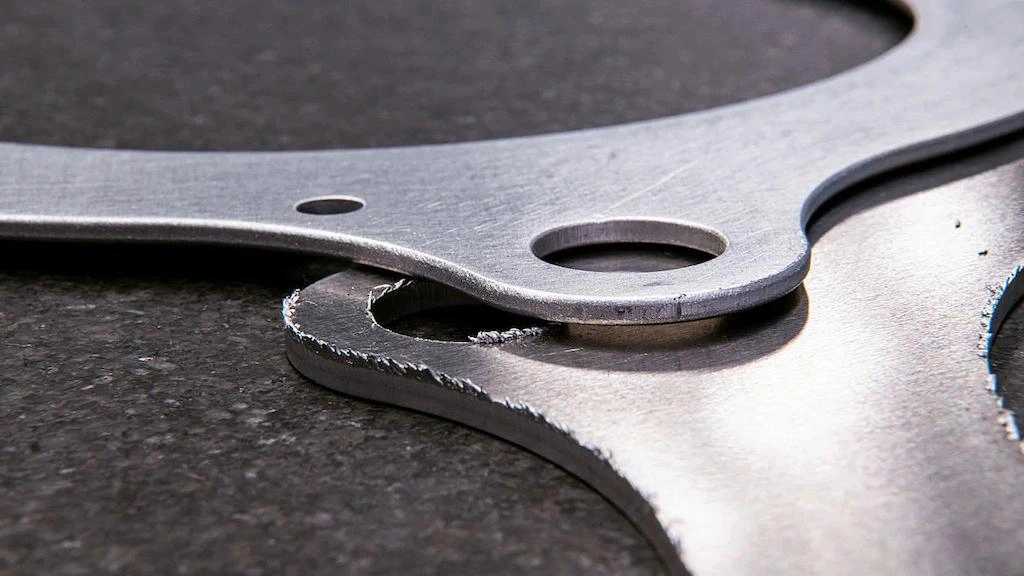
- Burr formation: Inadequate lubrication can cause burrs at the edges of stamped parts. Regularly monitor lubricant application and adjust as needed to maintain a consistent film.
- Tool wear: Excessive friction accelerates die wear. Use lubricants with high film strength and ensure they are replenished at proper intervals.
- Residue issues: Some lubricants leave behind films that interfere with secondary operations. Opt for products designed for easy removal or those that are compatible with downstream processes.
- Environmental compliance: Regulations may restrict certain chemicals. Choose lubricants that meet local environmental standards and consider green innovation in metal fabrication for sustainable alternatives.
Implementing Steel Stamping Lubricants Best Practices
To consistently achieve optimal results, manufacturers should develop and follow a set of best practices tailored to their specific operations. Here are several recommendations:
- Standardize application procedures: Train operators on the correct methods for applying lubricants, ensuring even coverage and proper dosage.
- Monitor and adjust: Regularly inspect stamped parts and tooling for signs of inadequate lubrication, such as discoloration, galling, or excessive wear.
- Maintain equipment: Keep application systems clean and in good working order to prevent clogging or uneven distribution.
- Document and review: Record lubricant usage, application rates, and performance outcomes. Use this data to refine processes and select the most effective products.
- Stay informed: Keep up with new developments in lubricant technology and regulatory requirements. For more on safety, see these steel stamping safety guidelines.
Quality Control and Inspection in Lubrication Management
Effective quality control is vital for maintaining consistent performance in steel stamping. Regular inspection of both parts and tooling can identify lubrication-related issues before they lead to costly downtime or rework.
- Visual checks: Inspect parts for surface defects, discoloration, or residue that may indicate lubrication problems.
- Tooling audits: Examine dies for signs of wear, scoring, or buildup that could result from insufficient or excessive lubricant.
- Process monitoring: Use sensors or manual checks to verify lubricant flow rates and coverage during production runs.
Environmental and Safety Considerations
The move toward more sustainable manufacturing has prompted many companies to reconsider their lubrication strategies. Water-based and biodegradable lubricants are gaining popularity due to their lower environmental impact and easier disposal. However, it is important to ensure these alternatives still provide adequate protection for tooling and part quality.
Worker safety is another key concern. Always provide proper personal protective equipment (PPE) and training for handling and applying lubricants. For more on maintaining a safe workplace, refer to guidelines for safety in steel stamping parts production.
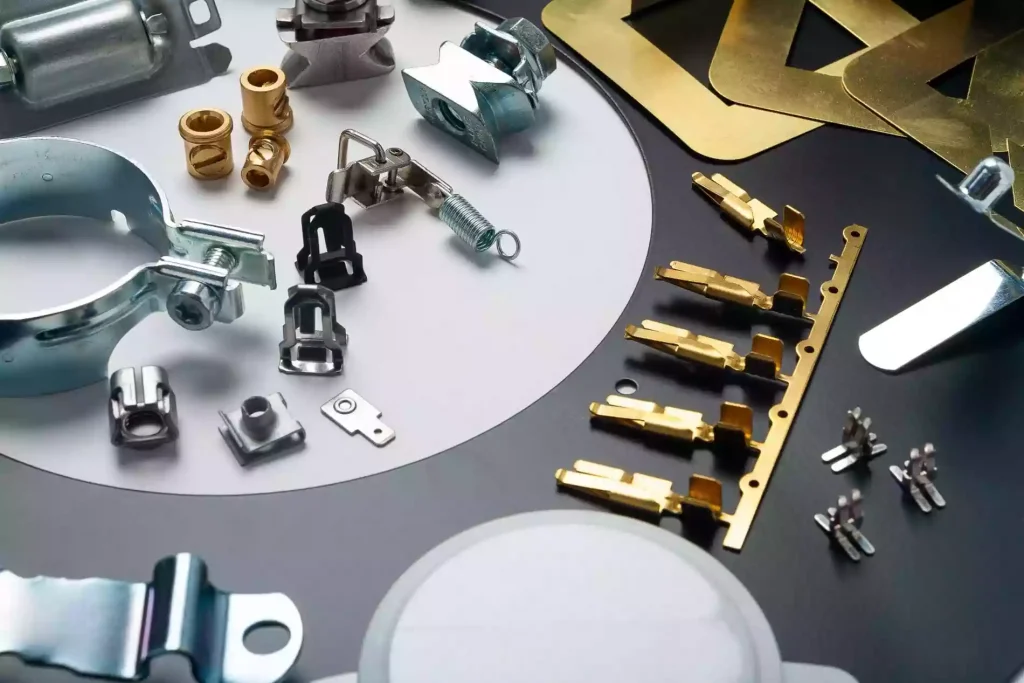
Companies aiming for a more responsible approach can also explore the future of sustainable metal fabrication and stay ahead of environmental trends in the industry.
Frequently Asked Questions
What are the main benefits of using proper lubricants in steel stamping?
Effective lubrication reduces friction and tool wear, improves part quality, and minimizes the risk of defects such as galling or burrs. It also helps maintain consistent production rates and lowers overall maintenance costs.
How do I choose the right lubricant for my stamping operation?
Consider factors such as the type of steel, part complexity, required surface finish, ease of removal, and environmental regulations. Testing different products and consulting with suppliers can help identify the best fit for your process.
Are there environmentally friendly options for steel stamping lubrication?
Yes, water-based and biodegradable lubricants are increasingly available and can reduce environmental impact. Ensure that any alternative product still meets your performance requirements and complies with local regulations.
Conclusion
Adopting steel stamping lubricants best practices is essential for achieving reliable, high-quality results in metal forming. By selecting suitable products, standardizing application methods, and prioritizing safety and sustainability, manufacturers can extend tool life, reduce defects, and improve overall efficiency. Staying informed about new technologies and industry standards will further support ongoing success in steel stamping operations.