
The manufacturing industry relies heavily on precision and efficiency, especially in metal stamping operations. Achieving high accuracy in stamping die design is essential for producing quality components, reducing waste, and maintaining cost-effectiveness. In recent years, the role of simulation software in stamping design has become increasingly significant, transforming how engineers approach die development and validation. By leveraging advanced digital tools, manufacturers can predict potential issues, optimize processes, and ensure that every stamped part meets strict quality standards.
Simulation technology allows for virtual testing of die designs before physical prototypes are made. This not only accelerates the development cycle but also helps identify and resolve problems early, saving both time and resources. For those looking to deepen their understanding of related topics, exploring steel stamping material yield strength considerations can provide valuable context on how material properties interact with stamping processes.

Why Simulation Matters in Modern Stamping Die Development
Traditional die design often relied on experience, manual calculations, and physical prototyping. While skilled engineers could anticipate many issues, the complexity of modern parts and materials has made this approach less reliable. Simulation software addresses these challenges by providing a virtual environment where engineers can model, test, and refine their designs with a high degree of accuracy.
The integration of simulation tools into the die design workflow offers several key benefits:
- Early Detection of Defects: Virtual testing helps identify risks such as wrinkling, tearing, or excessive thinning before any metal is cut.
- Process Optimization: Engineers can adjust parameters like blank shape, material flow, and press settings to achieve optimal results.
- Cost and Time Savings: Reducing the need for multiple physical prototypes shortens development cycles and lowers expenses.
- Improved Collaboration: Simulation results can be shared across teams, enabling better communication and faster decision-making.
Key Features of Stamping Simulation Software
Modern simulation platforms offer a range of features designed to enhance the accuracy and efficiency of die design. Some of the most impactful capabilities include:
- Finite Element Analysis (FEA): This technique models how materials deform under stress, providing detailed insights into potential problem areas.
- Material Database Integration: Access to extensive material libraries ensures that simulations reflect real-world properties and behaviors.
- Springback Prediction: Accurately forecasting how metal will return to its original shape after forming helps prevent dimensional errors.
- Formability Analysis: Engineers can evaluate whether a part can be formed without defects, reducing trial-and-error in the shop.
- Process Sequencing: Simulation tools allow for the modeling of multi-stage stamping operations, optimizing each step for efficiency and quality.
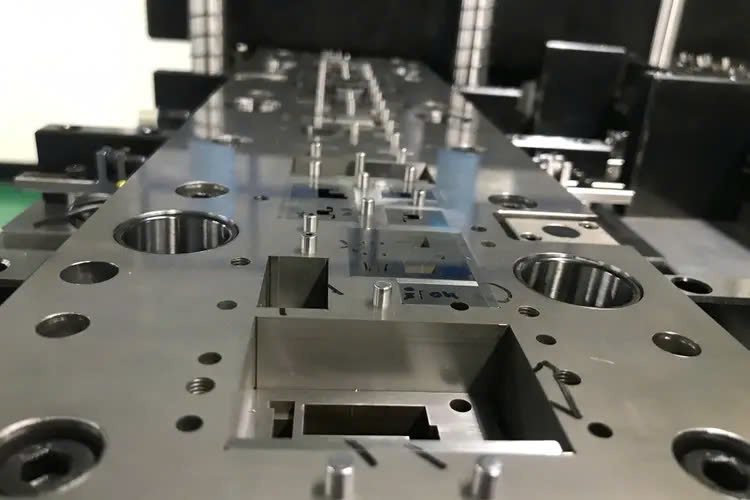
Enhancing Accuracy Through Virtual Prototyping
One of the most valuable aspects of simulation in stamping is the ability to create and test virtual prototypes. This digital approach allows for rapid iteration and refinement, ensuring that the final die design is as accurate as possible before any physical tooling is produced.
Virtual prototyping helps engineers:
- Visualize material flow and identify areas of stress concentration
- Test different die configurations without incurring manufacturing costs
- Predict and compensate for springback and other post-forming effects
- Validate part geometry against customer requirements and industry standards
By simulating the entire stamping process, teams can avoid costly mistakes and deliver high-quality parts on the first try. This approach is especially beneficial when working with advanced materials or complex geometries, where traditional methods may fall short.
Reducing Defects and Improving Quality Control
Quality assurance is a top priority in stamping operations. The use of simulation software enables manufacturers to proactively address potential defects, leading to more consistent and reliable production outcomes. By analyzing forming limits, material thinning, and stress distribution, engineers can make informed decisions that directly impact product quality.
For example, simulation can reveal areas where material is likely to tear or wrinkle, allowing for design adjustments before tooling is built. This not only improves the quality of the finished part but also reduces the likelihood of costly rework or scrap. For additional insights on minimizing waste, consider reading about how to optimize scrap chute angles in steel stamping.
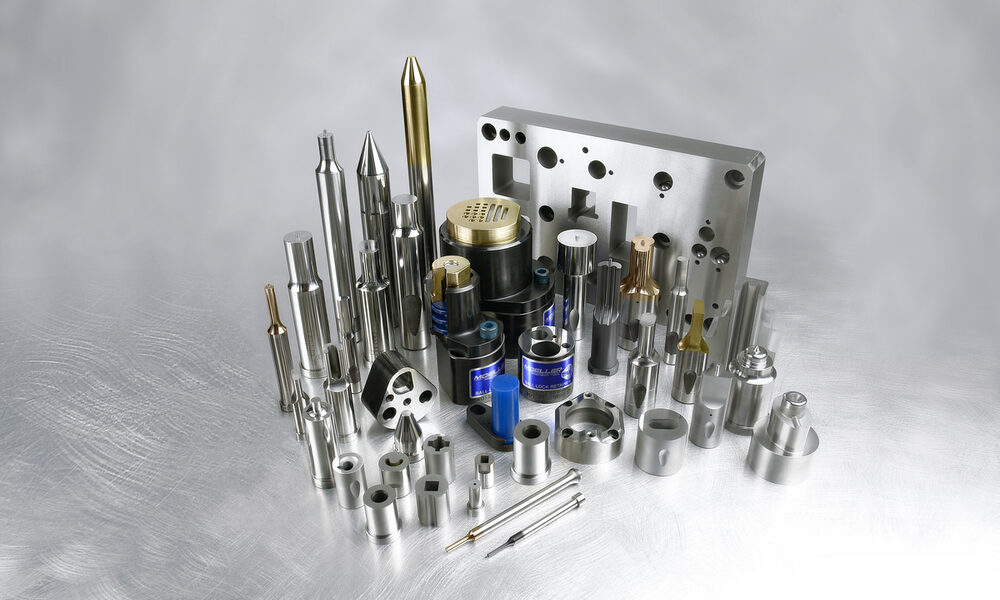
Integrating Simulation with Stamping Process Optimization
Beyond die design, simulation software plays a crucial role in optimizing the entire stamping process. By modeling each stage of production, engineers can fine-tune parameters such as press speed, lubrication, and blank holder force. This holistic approach leads to improved efficiency, reduced downtime, and lower operational costs.
Simulation also supports continuous improvement initiatives by providing data-driven insights into process performance. Teams can use simulation results to implement best practices, monitor key metrics, and drive ongoing enhancements in quality and productivity. For those interested in further refining their operations, exploring best practices for stamping coated steels can offer additional strategies for success.
Maintenance, Troubleshooting, and the Value of Digital Twins
The benefits of simulation extend beyond initial design and production. Many manufacturers now use digital twins—virtual replicas of physical assets—to monitor die performance, predict maintenance needs, and troubleshoot issues in real time. By comparing simulated and actual results, teams can quickly identify deviations and take corrective action before problems escalate.
For a deeper dive into maintaining stamping dies, check out this comprehensive guide to stamping die repair and maintenance basics. Combining simulation insights with proactive maintenance strategies can significantly extend tool life and reduce unplanned downtime.
Looking Ahead: The Future of Simulation in Stamping
As manufacturing becomes more data-driven and connected, the role of simulation software in stamping design will only grow in importance. Advances in artificial intelligence, machine learning, and cloud computing are making simulation tools more powerful and accessible than ever before.
Future developments may include real-time process monitoring, automated design optimization, and seamless integration with other digital manufacturing systems. By embracing these technologies, manufacturers can stay ahead of the curve and continue to deliver high-quality, cost-effective stamped components.
Frequently Asked Questions
How does simulation software improve stamping die design accuracy?
Simulation software enables engineers to test and refine die designs virtually, identifying potential issues such as material thinning, tearing, or springback before physical tooling is produced. This leads to more precise and reliable die designs, reducing the risk of defects and costly rework.
What types of defects can be predicted using stamping simulation tools?
Common defects that can be predicted include wrinkling, tearing, excessive thinning, and springback. Simulation tools also help identify areas of high stress or poor material flow, allowing for early intervention and design improvements.
Can simulation software help optimize the entire stamping process?
Yes, simulation tools can model the entire stamping process, from blank preparation to final part ejection. This allows engineers to optimize parameters such as press speed, lubrication, and die sequencing, leading to improved efficiency and product quality.